-

What remedial measures are there after cotton is affected by flooding?
Cotton has the ability to self-regulate and compensate. After a disaster, remedial measures of stress-resistant cultivation should be adopted: rapid drainage, early loosening of the soil, heavy fertilization, delayed topping, and intensive pruning. Rapid drainage: make an all-out effort to lower the water level in the outer three ditches, with emphasis on clearing and deepening the inner three ditches of the cotton field. In areas with low-lying terrain and high inland river water levels, mechanical and electrical drainage must be used on an emergency basis to speed up drainage and lower the groundwater level of the cotton field. Early loosening of the soil: after flooding, the cotton field soil becomes compacted and has poor permeability. About 7 to 8 days after drainage, the soil should be loosened on an emergency basis to improve soil aeration and warming performance in the cotton field and accelerate the recovery and growth of cotton seedlings.
-

Carry out pest control during the flowering period to ensure flowering is not affected
Control methods: 1. Remove pest-infested plants in the field and prune infested branches, take them out of the field promptly and burn them
-
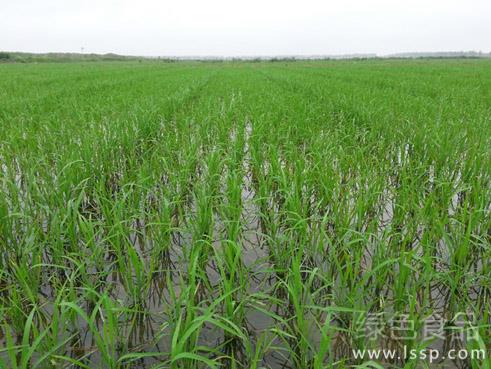
Late southern rice is greatly affected by typhoons during the regreening and tillering stage, how should it be managed?
Late southern rice is greatly affected by typhoons; management methods for late rice during the regreening and tillering stage
-
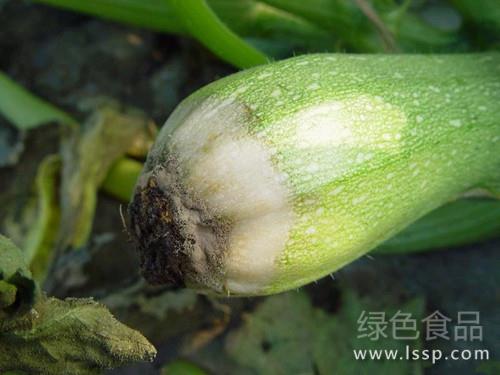
Control methods for zucchini gray mold that causes gray mold growth and rot on affected parts
Control methods for zucchini gray mold where affected parts grow gray mold and rot
条件筛选