-
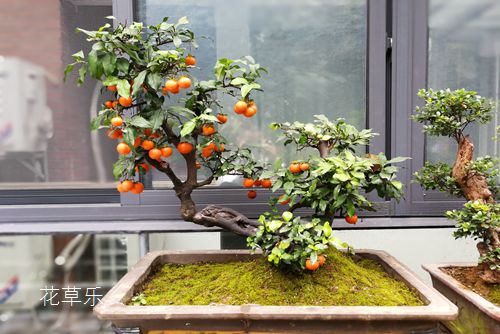
Black raised patches appear on the leaves of the Chinese persimmon (Diospyros cathayensis); suspected to be scab. How should it be prevented and treated?
The pathogen of scab is a fungus of the subphylum Deuteromycotina. On affected leaves, small water-soaked round spots appear at first, then turn waxy yellow. The lesions enlarge as the leaves grow and gradually become suberized, bulging out on one side of the leaf as conical scabs while sinking inward on the other side; leaves with many lesions become twisted and deformed.
-

How to Grow Strawberries at Home? Master the Planting Method and You Can Have Your Own Strawberry Patch
Strawberries are a fruit that suits all ages and is loved by almost everyone, and they offer many benefits to the human body. Many friends ask, how do you grow strawberries at home? In fact, if potted strawberries on a balcony are managed properly, they can taste just as good as the strawberries that farmers grow in their fields.
-
Is Pothos Cold-Tolerant? Grow a Patch of Greenery Even in Winter
Seeking That Touch of Green in Winter: Is Pothos Cold-Tolerant?
-
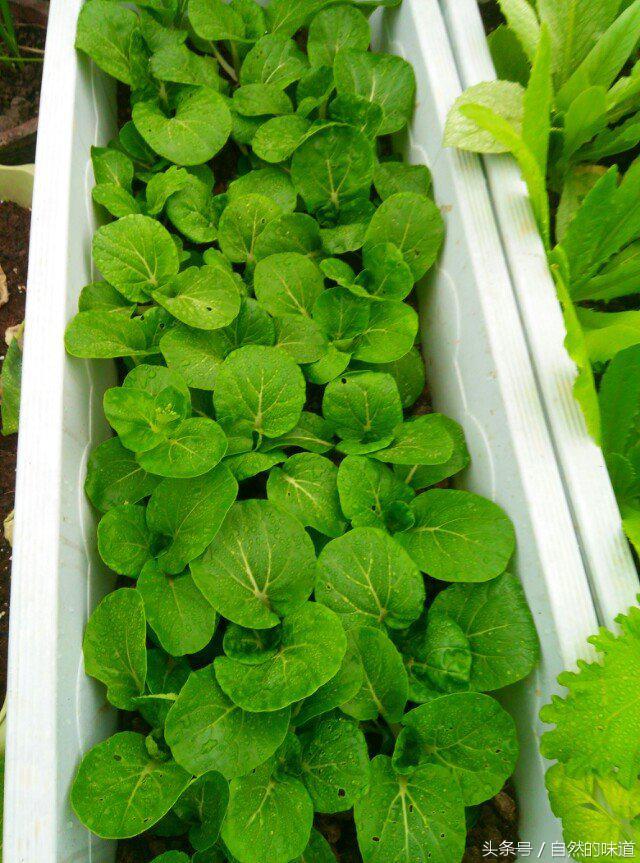
How does a rooftop vegetable-growing expert get made? Growing a patch of fresh greenery (Part 2)
How a vegetable-growing expert gets made, growing a patch of fresh greenery on the rooftop (Part 2)
-
Six management measures in the melon patch make melons sweeter
Widen the day-night temperature difference A larger day-night temperature difference helps the accumulation of photosynthetic products (sugars). During the fruiting stage of melons, the day-night temperature difference should be widened as much as possible. Generally, the daytime temperature inside the greenhouse should be kept at 30°C-35°C, the nighttime temperature at 13°C-14°C, and the day-night temperature difference at 16°C-18°C. Apply less chemical fertilizer and more organic fertilizer. Basing fertilization mainly on organic fertilizer and applying no or little chemical fertilizer is another effective measure to increase the sweetness of melons. Generally, organic fertilizer is mainly chicken manure and soybean cake, and per mu a base application of
-
What causes patchy bald spots (mycelial baldness) in oyster mushroom mycelium?
In the growing substrate, some areas grow mycelium while others do not, or the surface grows mycelium but the inside of the substrate does not; this is called "patchy baldness." The main causes are too much water when mixing the ingredients or uneven mixing, inadequate moisture adjustment, substrate blocks that are too large, too thick or too tightly packed, and poor ventilation or excessive temperature after spawning. Prevention and control methods: add water in the right amount, mix the ingredients evenly, do not make the blocks too large, too tight or too thick, and check the substrate temperature frequently to prevent the substrate from overheating through its own fermentation. If "patchy baldness" occurs due to overheating, respawn in time; if it is caused by moisture
-
Which diseases cause high fever in pigs without purple patches on the skin?
1. Japanese encephalitis: The body temperature of affected pigs is 40-41°C, with teeth grinding, circling, visual impairment, and blind charging. Sows abort, and boars develop orchitis, which gradually atrophies and hardens, causing loss of breeding ability. For treatment and drug prevention, antiviral preparations such as amantadine and ribavirin combined with interferon, along with traditional Chinese medicine preparations for clearing heat and detoxifying, and antipyretic-analgesic preparations, should be used together, which has a certain therapeutic effect. 2. Pseudorabies: It mostly occurs in piglets aged 1-4 weeks, and piglets over 60 days of age show mild symptoms. Body temperature is 41-42°C. In the early stage of the disease, the pigs are restless and excitable
-
Analysis of the Relationship Between Rusty Patches on Pear Fruit Surfaces and Pesticide Use
Irregular rust-colored patches often appear on pear fruit surfaces, affecting the appearance quality of the fruit. Fruit surface rust is generally called fruit russeting, which is formed by the gradual thickening and suberization of cell walls, with epidermal cells and the cuticle rupturing and exposing the surface, forming brown rust-colored patches. Another type of rusty patch is actually "pesticide russeting," caused by improper pesticide use or excessive pressure when spraying pesticides. There is also a type called "water russeting," mainly caused by poor environmental conditions, damp and rainy weather, insufficient light, and mold parasitizing the fruit surface. The occurrence of fruit russeting is related to many factors in cultivation. Such as variety, strain differences
-

How to Plant Cyclamen Seeds? Four Steps to Grow a Patch of Bunny-Ear Flowers
The city flower of Qingzhou City has a very poetic name: cyclamen. Its flowering period is very long, and it happens to bloom during the Spring Festival, New Year's Day and Christmas, lasting as long as five months, making it a much-loved indoor potted plant for the New Year.
-

A Detailed Explanation of Patchouli Planting Techniques and Management Key Points
Patchouli Planting Techniques
条件筛选