-

How to prevent and control excessive browning of shiitake mushroom logs that results in no fruiting
1. Causes of the problem. Log browning is a physiological process in the development of shiitake mushroom mycelium and is also a sign of physiological maturity of the mycelium. Suitable conditions for log browning: temperature of 18°C to 24°C, air humidity of 80% to 85%, some scattered light, and good ventilation. If the indoor temperature exceeds 25°C during browning and this high temperature lasts for a long time, it can cause the logs to secrete large amounts of yellow water and pigments, thereby forming a thick brown mycelial skin. The thick mycelial skin formed can block air, causing the mycelium to receive no oxygen and be unable to
-
Practical methods to extend the fruiting period of tomatoes
After the first generation of tomatoes is harvested, the following 3 methods can be used to make the tomatoes bloom and bear fruit again, improving economic returns. The vine-laying method: after the first generation of tomatoes is mature and harvested, cut off the dead branches and yellow leaves, keep the new branches with vigorous regrowth ability, and dig a fertilization trench 20 cm long and 15 cm deep on one side of the main stem and apply fertilizer. After fertilizing, bury the main stem in the trench and water it, so that the layered vine quickly takes root. In this way, the new roots and old roots absorb water and nutrients together, the plant shape grows rapidly, and the tomatoes can bloom and bear fruit again. The stem-cutting method: after the first generation of tomatoes is harvested, cut off
-
Detailed Explanation of New Management Techniques for Explosive Fruiting of Oyster Mushrooms
1. Tightening and oiling: Before using the machine, check whether all fastening parts are firm and whether all rotating parts are flexible. Apply grease to the universal joint cross, cutter bearing housings, press wheel bearing housings, etc., add gear oil to the gearbox, and apply lubricating oil to the chain drive and other rotating parts. 2. Use of the seed metering device. This machine uses a 16-slot semi-precision external groove wheel seed metering device for sowing wheat. When sowing corn, five of the wheat seed metering devices need to be replaced with corn seed metering devices, while the other five wheat seed metering devices are shut off. 3. Press wheel limit: during transport
-
Detailed Explanation of the Technique for Fruiting on Both the Front and Back Sides of Oyster Mushroom Beds
Using indoor frame-style cultivation of oyster mushrooms, fruiting simultaneously on both the front and back sides of the mushroom bed can, without increasing the substrate per unit area and without changing the substrate formula or the spawn sowing rate, produce an average of 16 kg of mushrooms per square meter of mushroom bed, and bring fruiting about 7 days earlier. 1. Setting up the mushroom bed frame structure: Build a frame indoors using materials such as moso bamboo, and fix the mushroom bed baseboard onto the frame. Generally the frame is 2 m high, with three tiers of mushroom beds, and the distance between tiers is 60-65 cm; beds managed from both sides are 110 cm wide, and beds managed from one side are 55 cm wide; the bed baseboard is made by nailing thin wooden boards, with 1.5-2 cm between each wooden strip. 2. Sowing: Select the Florida strain, which has a relatively broad suitable temperature range. Use the "layer sowing method": first lay a layer of plastic film on the mushroom bed baseboard, with a width 2.5 times the width of the bed baseboard, then spread a layer of substrate about 3 cm thick on the plastic film, then spread a layer of spawn, with the spawn layer no more than 1 cm thick; after spreading 4 layers of substrate and 3 layers of spawn in this way, press firmly, then cover the surface of the culture medium with a layer of water-soaked wet newspaper, and finally wrap the entire culture medium tightly with plastic film. 3. Fruiting management: About 60 days after inoculation, when the mycelium has basically finished colonizing the substrate, use a blade to make intermittent longitudinal cuts in the plastic film at the gaps on the back side of the mushroom bed baseboard. Each cut segment should be no longer than 15 cm, and both the horizontal and vertical spacing between cuts should be greater than 15 cm. Thereafter, each time the mushroom bed is watered, use a sprayer to spray an appropriate amount of water onto the cuts on the back side of the bed; other management is the same as conventional. After the first flush of mushrooms on the back side of the bed is harvested, the uncut plastic film on the back side of the bed can be slit open again with a knife. During the entire cultivation process, 2-3 flushes of oyster mushrooms can be harvested from the back side of the bed, with yield close to that of the front side of the bed.
-
Detailed Explanation of the Double-Sided Fruiting Method for Oyster Mushroom Beds
Using the double-sided fruiting method for oyster mushroom beds (Pleurotus ostreatus) makes effective use of the mushroom house space and increases the yield per unit area of the beds. The key technical points are as follows: 1. Bed equipment. Build a frame inside the mushroom house with moso bamboo or standing timber, generally 2 m high, with 3 tiers of beds, each tier spaced 60-65 cm apart, and the length depending on the actual conditions of the mushroom house. There are two widths: 55 cm for single-side management and 110 cm for double-side management. The bottom board of each bed tier is made by nailing thin wooden slats, with each slat spaced (gap) 1.5-2 cm apart. 2. Spreading substrate and inoculation
-
High-Quality, High-Yield Techniques for Bag-Cultivated Oyster Mushrooms: Micro-Pore Spawn Running and Seepage Irrigation for Fruiting
During the spawn-running stage of bag-cultivated oyster mushrooms, problems commonly arise such as inconsistent mycelial growth rates within the bags, an excessively long spawn-running period, a high contamination rate, the mushroom wall being somewhat too tall and prone to toppling during the fruiting stage, and severe water loss from the bags after the second flush making rehydration difficult, all of which seriously affect yield and quality. In recent years, new techniques of micro-pore spawn running and seepage irrigation for fruiting in oyster mushroom cultivation have been successfully developed in production, effectively solving the above problems. Micro-pore spawn running. The selection of the substrate, ingredient mixing, blending and fermentation are the same as conventional methods; the difference is that before bagging, a sewing machine is used to prick three rows of needle holes on the top of the substrate cylinder, serving as micro-pore channels to supply air during the mycelial growth period.
-
How to manage greenhouse potatoes from planting to fruiting stage
Use 50% pirimicarb or 10% imidacloprid 5 g per (mu) mixed with 40 kg water to control aphids, and also control cotton bollworm; alternately use dt emulsion 400 ml per (mu), or use 2 billion PIB/ml Helicoverpa armigera nucleopolyhedrovirus suspension 50-60 ml per (mu) to control cotton bollworm, and also control tobacco budworm and aphids. Before the onset of Fusarium wilt and in the early stage of the disease, drench the roots with Lvheng No. 1 3000-fold solution, or Lvheng No. 2 600-fold solution or Lvheng No. 8 1500-2000-fold solution, or Qingjiaoan
-
Early-spring mushroom fruiting tips: manage it this way for good fruiting
After the Start of Spring, temperatures gradually rise. If you carry out simple yet clever management of mushroom beds that already fruited continuously the previous autumn, you can easily prompt a season of spring mushrooms. The specific methods are as follows: 1. Loosen the compost and replenish the soil. When the temperature rises back to 10°C, loosen the compost and replenish the soil promptly. This not only helps expel waste gases from the compost, but is even more helpful for breaking apart old mycelium, promoting the growth of new mycelium, and forming strong mycelium, laying the foundation for increasing spring mushroom yields. Loosening the compost is divided into deep, medium and light loosening, and should be determined according to the actual condition of the mushroom bed compost.
-
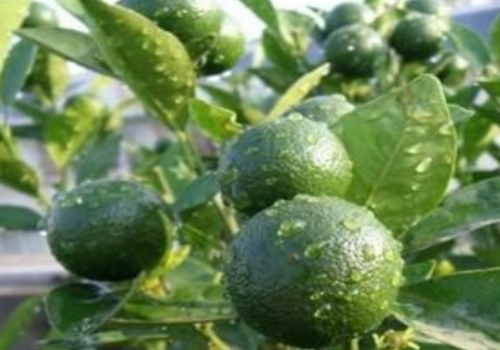
Four-Season Kumquat Planting Methods and Flowering and Fruiting Times
Four-Season Kumquat is a kind of fruit that many people know and are familiar with, so how do you grow this Four-Season Kumquat? How long until it flowers and fruits: How to grow Four-Season Kumquat: Planting methods. The planting of Four-Season Kumquat is very similar to the planting methods of other tree species.
-
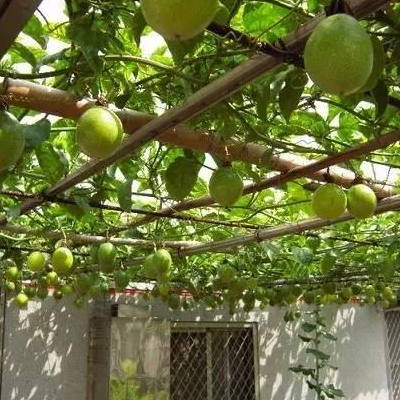
How to Grow Passion Fruit from Seed in a Small Pot and Why It Only Flowers Without Fruiting
Passion fruit is something many people know as a fruit, and fruit also contains seeds. How do you grow passion fruit seeds in a small pot? Why does passion fruit only flower without fruiting: it likes a warm, humid environment, must be planted with good drainage, and needs light but frequent fertilizing.
条件筛选