-

Can you water Phalaenopsis orchids with nutrient solution only during the flowering period?
Friends who grow Phalaenopsis orchids may have a misconception: they think this flower is precious, that plain water is not enough, and that they need to use nutrient solution every day so it will grow vigorously and bloom beautifully. In fact, this idea is wrong. If nutrient solution is used incorrectly, it harms the flower even more than not fertilizing at all. Can Phalaenopsis orchids be watered with nutrient solution only? The answer is definitely no. Phalaenopsis
-
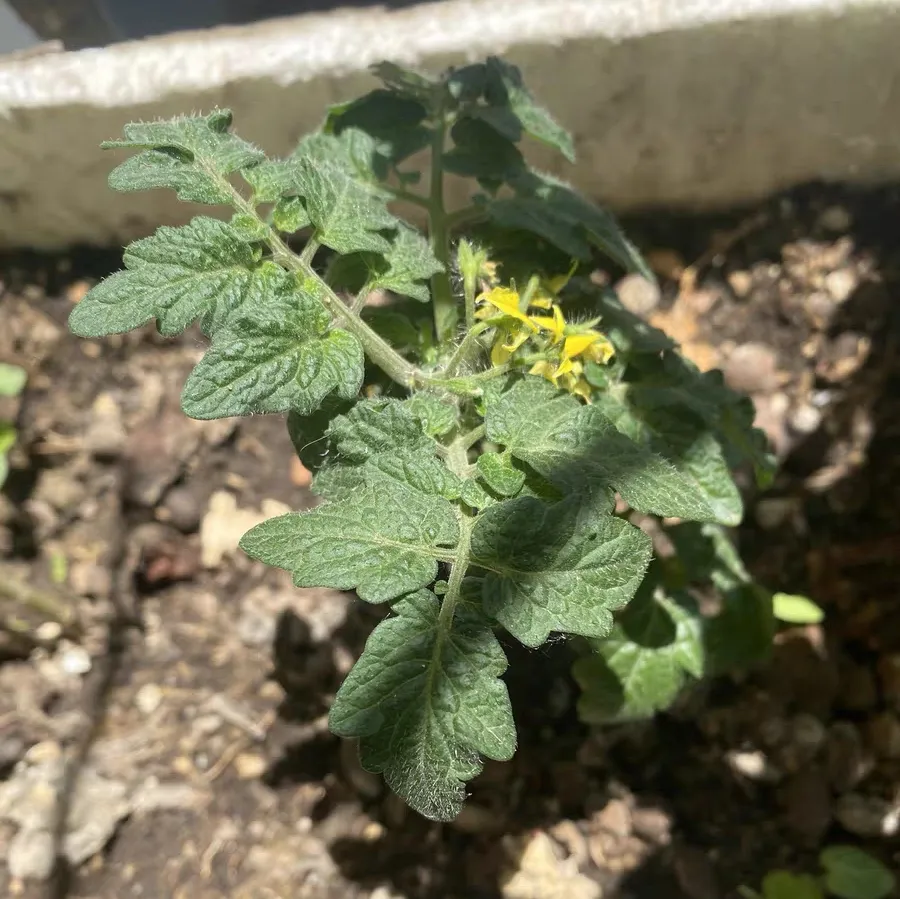
What causes the flower buds of cherry tomatoes to wither?
Attention cherry tomato growers! Did your perfectly blooming flowers suddenly wilt? It's most likely due to one of these 5 reasons. Identifying the problem
-
Recommended Phalaenopsis varieties with abundant blooms and high flower yield
For Phalaenopsis enthusiasts, choosing a variety with abundant blooms, a long flowering period, and easy care can greatly enhance the sense of achievement in growing them. Below is a roundup of 6 excellent, floriferous Phalaenopsis varieties. 1. Big White V3 is known for its "extra-large flower shape," with pure white petals that are thick and glossy. The inflorescence arrangement
-
Recommendations for Phalaenopsis varieties with abundant flowering
For Phalaenopsis enthusiasts, choosing a variety with abundant blooms, a long flowering period, and easy maintenance can greatly enhance the sense of
-

Why do old Phalaenopsis (moth orchid) plants need repotting, and can they survive without it?
Anyone who grows Phalaenopsis knows that after a year or two the plant becomes an old specimen: the leaves are no longer so perky and it blooms less. At this point some people say "it's time to repot," while others think "leave it alone, what if moving it kills it?" So why do old plants really need repotting? Can they truly not survive without it? Why do old plants have to move house? The
-

What green plants can you grow in a bedroom with poor light? Recommendations for easy, low-maintenance varieties
Not enough light in the bedroom? Don't worry that you can't grow plants. Today I'll recommend four shade-tolerant little champs for you. No need to watch the sun every day; just set them anywhere and they'll grow, and even beginners can handle them easily. Philodendron bipinnatifidum: Philodendron bipinnatifidum is simply a lazy person's savior. Its leaves are like open feathers, big and spreading, and placed in a bedroom corner it instantly gives a tropical vibe. The best part is it isn't picky about light; even if the bedroom only gets a bit of scattered light in the morning, it still grows vigorously. Watering is also worry-free: feel the top of the potting soil, and when it's dry, water thoroughly once. Even if you forget to water for half a month and the leaves droop, after replenishing water they perk right back up. The margin for error is super high, and caring for it is especially stress-relieving.
-

How to deal with aged orchid roots? Should they be cut off?
One of the most worrying things for plant growers is discovering that a moth orchid's roots have become wrinkled and grayish, looking just like the "old, weak, sick, and disabled" type. At this point many people start agonizing: should these aged roots be cut or not? Not cutting them might affect growth, but cutting them might mean cutting the plant away entirely. Aged moth orchid roots should be cut when they need to be cut! Or
-
Which plants bloom 365 days a year with abundant flowers and a long flowering period?
What every flower grower most wants to see is wave after wave of blooms forming a "sea of flowers." Which plants have been hailed by flower growers as the "model workers of flowering"? And every one of them is a must-buy choice for lazy gardeners - with minimal watering in daily care and plenty of sunlight, they bloom beautifully. Bougainvillea, also called paper flower, originated in Brazil and is most commonly seen in South China. <p>What every flower grower most wants to see is wave after wave of blooms forming a "sea of flowers." Which plants have been hailed by flower growers as the "model workers of flowering"? And every one of them is a must-buy choice for lazy gardeners - with minimal watering in daily care and plenty of sunlight, they bloom beautifully.</p><p><img src="https://www.nongxun.net/uploadfile/ueditor/image/202507/17524818237fac7b.jpg" title="f6ed9f5dc0888f9f0295957a2928dcf2" alt="f6ed9f5dc0888f9f0295957a2928dcf2"></p><p><br></p><p>Bougainvillea</p><p>Bougainvillea, also called paper flower, originated in Brazil and is most commonly seen in South China. It likes the hotter temperatures of summer, with a suitable growing temperature of around 15 to 30 degrees. As long as the weather is not extreme, it can bloom without rest. If flower lovers in the north want to see flowers in winter too, just move it indoors and the flowering period will continue.</p><p><br></p><p>For care, be lazy with watering, because it has good heat resistance and drought tolerance. Even if you do not water it for a long time, it will not have much impact on its growth. For daily watering, when you see the leaves drooping, water it thoroughly. Also, after the flowering period, remember to cut the branches back promptly and supplement with phosphorus and potassium fertilizer, and after 20 days it will burst into bloom again.</p><p><img src="https://www.nongxun.net/uploadfile/ueditor/image/202507/17524818303bc786.jpg" title="05eaaa28fa21aa95817a81543b79ce32" alt="05eaaa28fa21aa95817a81543b79ce32"></p><p><br></p><p>Petunia</p><p>This is a flower with extremely high ornamental value. It is suitable for growing on balconies. After the flowers bloom, they look like little trumpets and are very beautiful. Moreover, each bloom is not just one or two flowers, but thousands upon thousands of small flowers crowding the branches, making the leaves almost invisible. Common flower colors in the flower market include colored, purple, pink and white, etc.</p><p><img src="https://www.nongxun.net/uploadfile/ueditor/image/202507/17524818365186b5.jpg" title="ed7050113dd8c4448a42c9274cc49eac" alt="ed7050113dd8c4448a42c9274cc49eac"></p><p><br></p><p>For care, to grow it well, keeping the soil moist is very important, with no standing water at the bottom of the pot. It likes light. During the flowering period, it is recommended to apply phosphorus and potassium fertilizer once a week, and avoid excessive nitrogen fertilizer causing leggy growth. Also, remember to repot into a larger flowerpot as it grows, otherwise it is prone to the situation of being root-bound and unable to bloom more flowers.</p><p><img src="https://www.nongxun.net/uploadfile/ueditor/image/202507/175248184226354f.jpg" title="fbbfc28afbcb8aaee2042e2db0e11363" alt="fbbfc28afbcb8aaee2042e2db0e11363"></p><p><br></p><p>Brazilian waterweed</p><p>Brazilian waterweed is a perennial herbaceous plant of the genus Aster in the Asteraceae family. It has been hailed by flower growers as the "involution king of the flowering world." It has rich flower colors, including white, purple, rose red and other colors, and the longest flowering period reaches more than 200 days.</p><p><img src="https://www.nongxun.net/uploadfile/ueditor/image/202507/1752481846c7ab86.jpg" title="a51c025453225d421f169e906d87759b" alt="a51c025453225d421f169e906d87759b"></p><p><br></p><p>For care, it is a sun-loving plant, tolerant of both heat and cold. It can grow in environments with a maximum temperature of 40 degrees and a minimum temperature of minus 10 degrees. Its flowering period is usually from April to November each year. If you want to extend the flowering period afterward, you can apply fertilizer once a week. After flowering, remember to prune heavily, and new branches will soon be covered with flower buds again.</p><p><br></p>
-
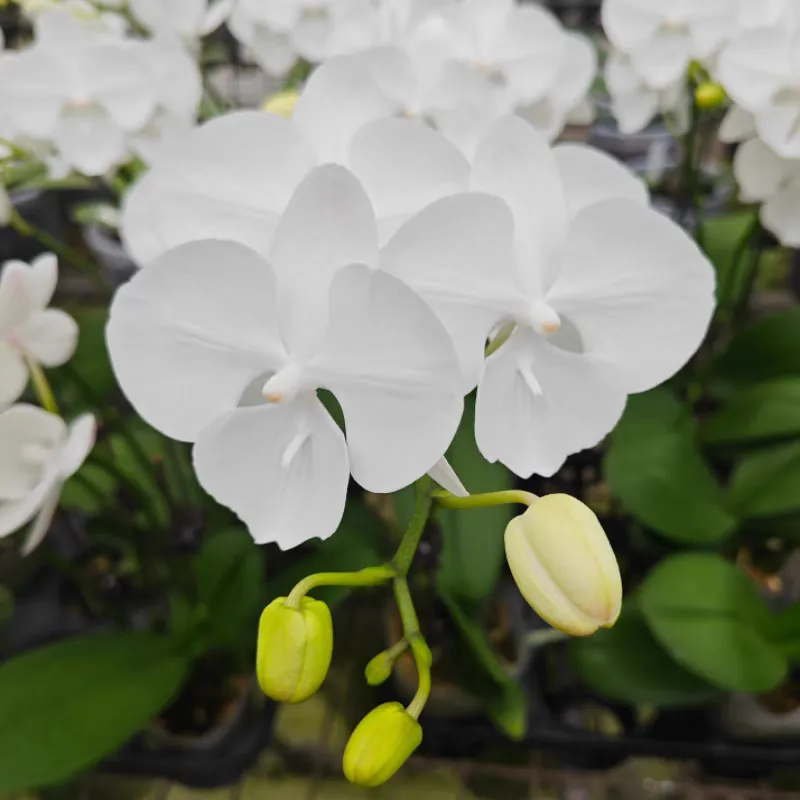
Recommendations for Phalaenopsis varieties with frequent flowering
Want your Phalaenopsis to "keep blooming non-stop"? Choosing the right variety is crucial! These 6 frequent-blooming champions have long flowering periods,
-
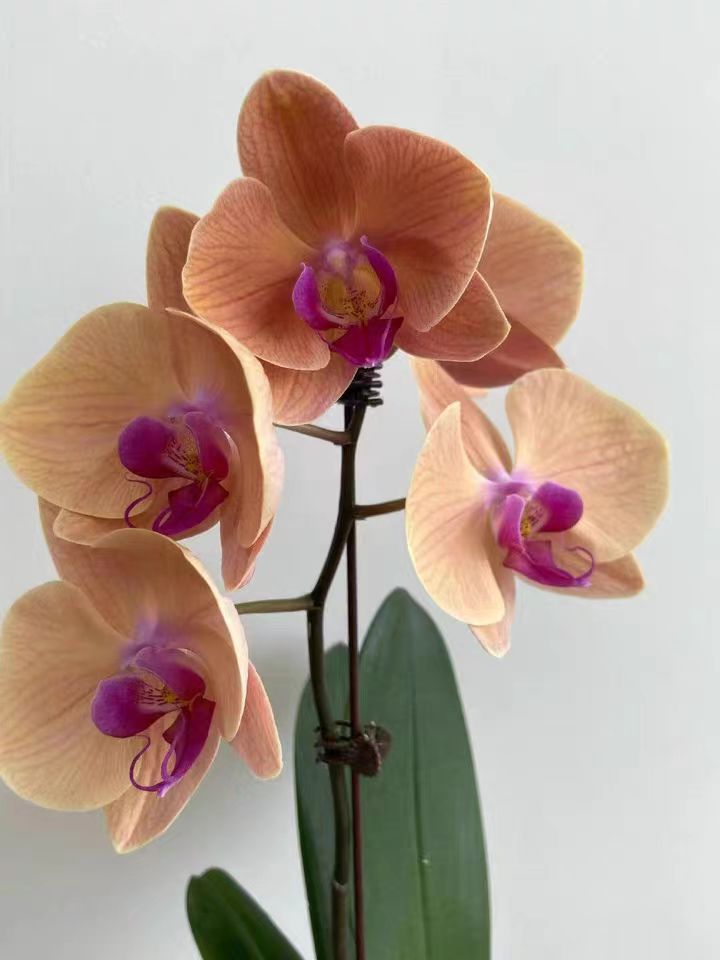
Which is more expensive, Phalaenopsis with large flowers or small flowers?
When seeing Phalaenopsis with large and small flowers in the flower market, both look attractive, but their prices and flowering periods confuse me. So, which
条件筛选