-
How should you deal with the flower spike of a Phalaenopsis orchid after it finishes blooming? Should you cut it off?
After the blooming period of a Phalaenopsis orchid ends, handling the flower spike and the follow-up care is a technical job. Cut it the right way and it can bloom again; cut it the wrong way and you may end up waiting a whole year in vain. Here are some suggestions. I. Flower spike pruning options 1. Short-term bloom-promoting pruning If you hope for a repeat bloom in the short term, you can keep the healthy stem section on the upper half of the flower spike and cut at the second-to-last
-

Causes of Foul Odor from Phalaenopsis Leaves and How to Deal With Them
As a widely popular ornamental flower, the Phalaenopsis (moth orchid) is often a delight to the eye with its elegant bearing and brilliant colors. However, during care, we sometimes find that its leaves give off an unpleasant foul odor, which not only affects the viewing experience but may also signal a health problem in the plant. So, wh
-

How to Grow Phalaenopsis with Few Roots So It Develops a Vigorous Root System
Behind the elegant flowers of the Phalaenopsis orchid lies the support of a strong, well-developed root system. During care, many growers run into the problem of a Phalaenopsis having few roots, which not only affects the plant's growth but may also hinder flowering. So how exactly can you get a Phalaenopsis with few roots to produce more roots and thus develop a vigorous root system? First,
-

What drought-tolerant plants bloom easily even with little watering?
In today's busy modern life, many people long to have a sea of flowers of their own, but the frequent watering and care work puts them off. In fact, quite a few drought-tolerant plants that bloom easily exist in nature; they can produce brilliant flowers without much care, adding color to life. The succulent family
-
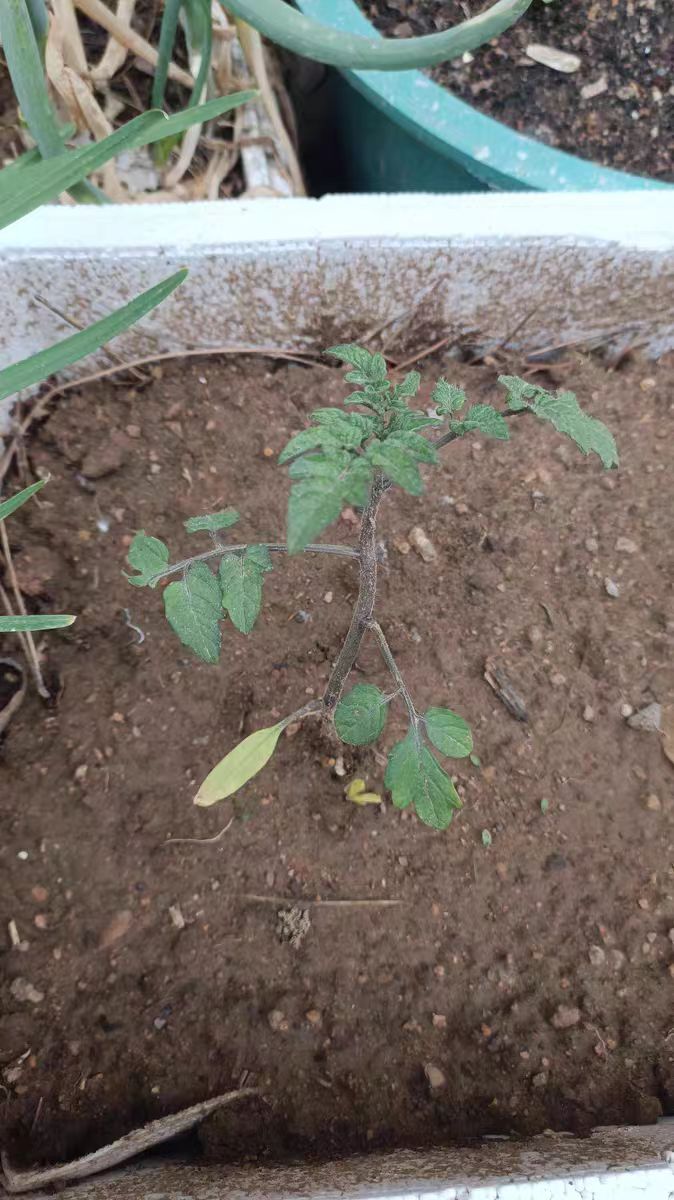
Can tomatoes be grown on a balcony without sunlight?
Let’s first discuss whether tomatoes can be planted on a balcony with no sunlight. As we all know, tomatoes are plants that particularly love sunlight—their
-
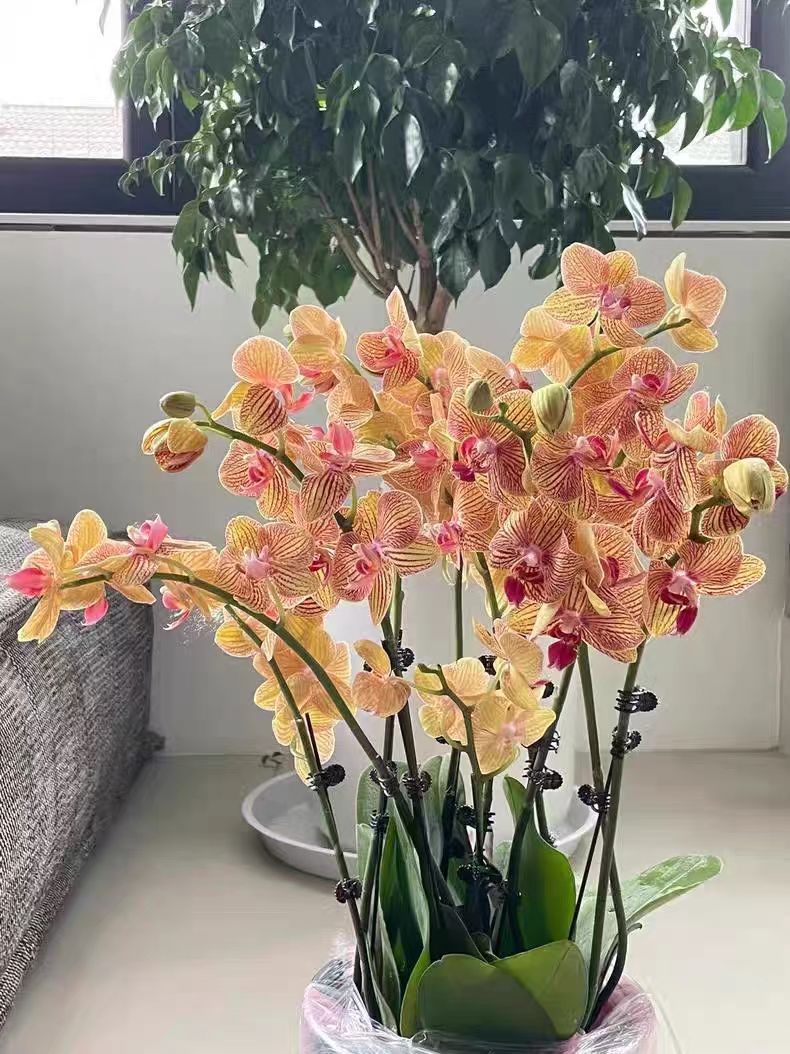
How to Deal with the Unpleasant Odor of Phalaenopsis Roots?
In the process of phalaenopsis cultivation, many flower lovers may encounter a troublesome problem - the roots of phalaenopsis emit an unpleasant odor. This
-

How to deal with odorous roots in Phalaenopsis?
During Phalaenopsis care, many flower growers encounter a troubling problem - the roots of Phalaenopsis give off an unpleasant odor. This odor not only affects the indoor environment, but also signals hidden dangers to the plant's health. To effectively solve the problem, you must first identify the root cause of the odor, then "treat the cause accordingly." The most common causes of root odor
-

Which indoor flowering plants can thrive without fertilizer?
In the process of growing flowers, fertilizer is often regarded as the "nutrient" for plant growth, but does that mean flowers cannot be grown well without fertilizer? The answer is no. Even without relying on chemical fertilizers, we can cultivate lush flowers through some clever methods, and at the same time, there are many indoor plants in nature that can grow vigorously without fertilization.
-
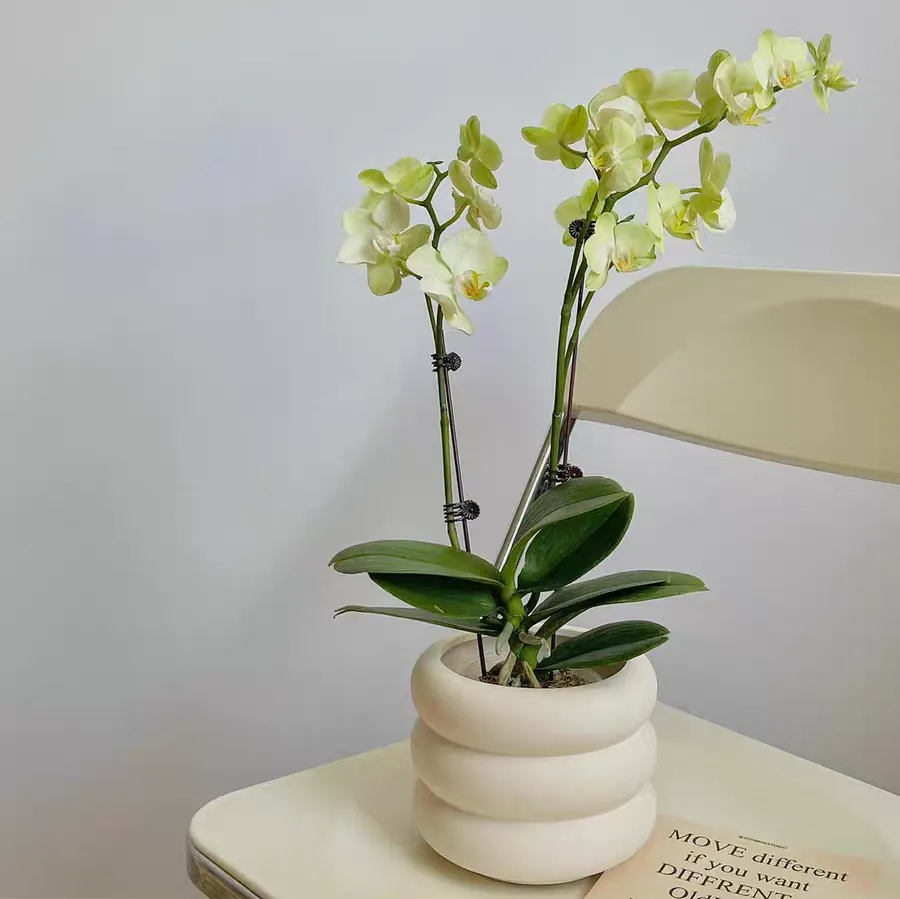
Can withered and yellowed Phalaenopsis (moth orchid) flower buds be saved?
The most frustrating thing about gardening is when the flower buds you've been eagerly anticipating suddenly wilt. Here’s a breakdown of why Phalaenopsis (moth
-
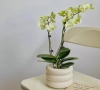
Can a Phalaenopsis orchid's withered and yellowing buds still be saved? Here's how to remedy it
The worst thing about growing flowers is when buds you've been looking forward to suddenly wilt. Below, let's talk about the causes of withered and yellowing Phalaenopsis orchid buds and how to solve them. 1. Environmental causes. Temperature. Phalaenopsis orchids love a constant temperature environment of 25-28°C during the day and 18-20°C at night. In winter, in a heated room with fluctuating temperatures, or with air conditioning blowing directly on them, the buds immediately freeze and
条件筛选