-
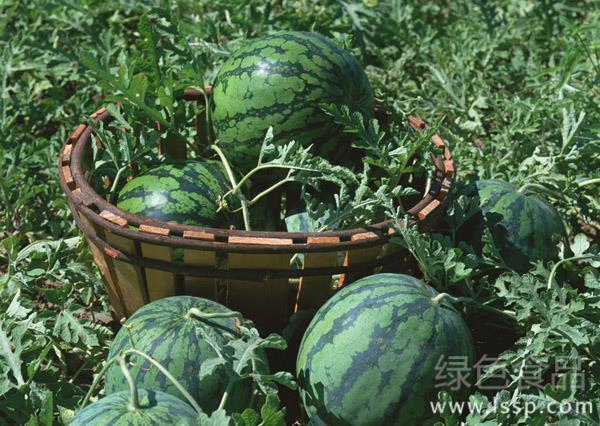
How to prevent and control watermelon fruit cracking that lowers quality?
How to prevent and control watermelon fruit cracking that lowers watermelon quality
-

What are the key points to note when transplanting watermelons? Key points explained clearly in one article
Points to note when transplanting watermelons
-

How to propagate the Watermelon Peperomia? A few common methods explained
Common division and cutting propagation: Division propagation can be done in spring and autumn. Choose a plant that has new shoots growing at the base of the mother plant, take the plant out when repotting and changing the soil, shake off the attached soil, and use a sharp knife to cut off the new shoots according to their position and pot them up. When dividing, be careful to protect the root systems of both the mother plant and the new shoots
-
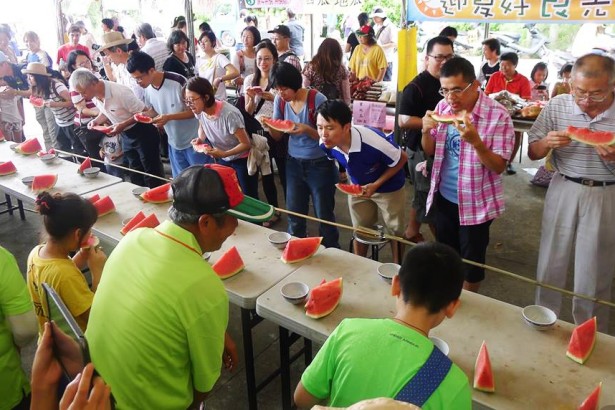
Wanbao Watermelon Gathering, Celebrating the Exemption from Land Requisition
Wanbao Watermelon Gathering Celebrates the Exemption from Land Requisition
-
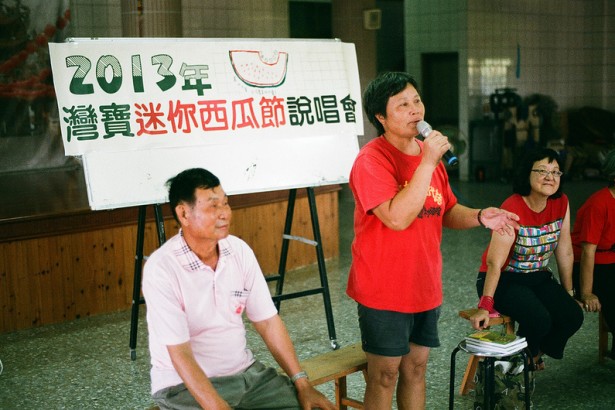
2014 Wanbao Watermelon Festival and Green Academy Lecture
2014 Wanbao Watermelon Festival X Green Academy Lecture
-
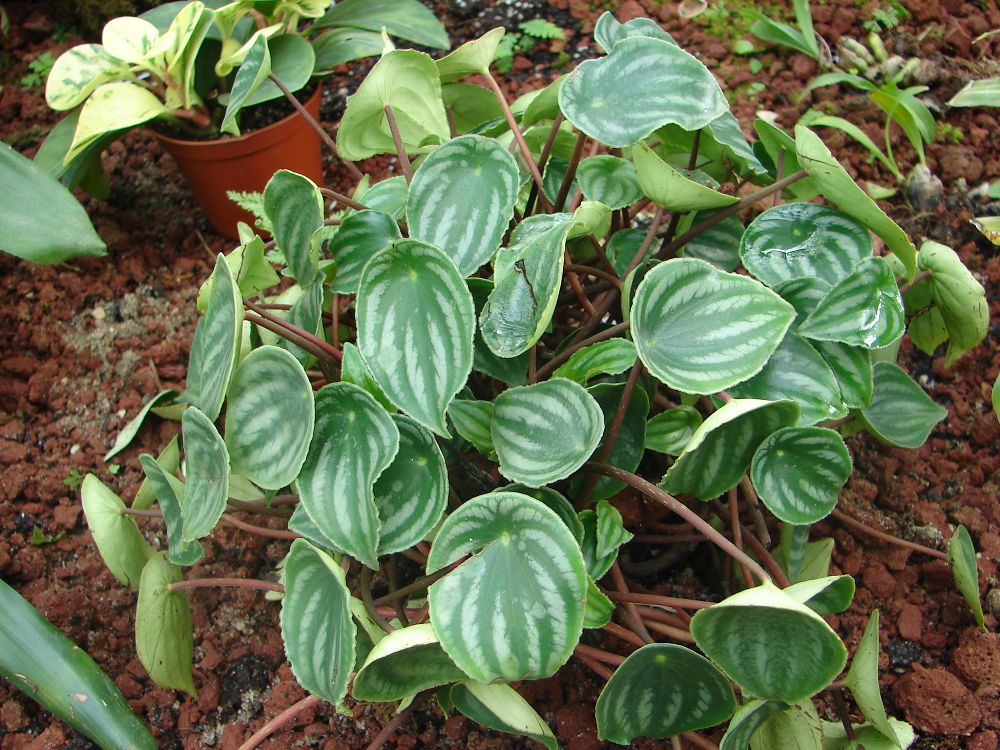
How to Grow Watermelon Peperomia? Detailed Guide to Cultivation Methods and Precautions
Division propagation can be done in spring and autumn. Choose a parent plant that has new shoots growing at the base. When repotting and changing the soil, take out the plant, shake off the attached soil, and use a sharp knife to cut off the new shoots based on their position and pot them up. When dividing, be careful to protect the root systems of both the parent plant and the new shoots. It can also be done when the plant has filled the pot
-
What kind of growing environment does the Watermelon Peperomia prefer?
Watermelon Peperomia, also known as round-leaf peperomia, is a perennial evergreen herbaceous plant of the Piperaceae family. The leaves are clustered, ovate, with reddish-brown petioles and pale green leaf surfaces. The veins radiate from the center outward, with 8 dark green main veins, and distinct silver-gray bands between the veins, closely resembling watermelon rind.
-

-
A Detailed Guide to Processing and Making Licorice Watermelon Seeds
Ingredients: 500 g watermelon seeds, 10 g peanut oil, 25 g refined salt, 3 g licorice, 50 g quicklime. Method: 1. Pour the quicklime into a large bowl, add 500 ml of clean water, stir well to make lime water, then add the watermelon seeds and soak for 4-5 hours, then remove them, rinse thoroughly with clean water, and remove the mucous membrane on the shells. 2. Put the refined salt and licorice into a pot, pour in 150 ml of clean water, place over high heat and boil for 10-15 minutes, filter out the licorice to make licorice salt brine
-
High-yield cultivation techniques for plastic-mulched garlic, plastic-mulched watermelon, and cotton
Suwan Town in Chaohu City is a major cotton-growing town. In order to adjust the cropping structure of cotton fields and increase the multiple cropping index and economic returns, after several years of practice, an efficient intercropping and relay cropping model of plastic-mulched garlic, plastic-mulched watermelon, and cotton has been developed. It not only gives good economic returns, but can also build soil fertility and realize the combination of using the land and maintaining the land; at the same time, it can change the ecological environment and reduce the occurrence of pests, diseases, and weeds. 1. Variety selection. For garlic, use the early-maturing variety Ershui Zao; for watermelon, choose early-maturing superior varieties such as Beimi No. 3, Huami No. 8, and Zhengza No. 7; for cotton, choose Guokangmian No. 1 supplied by the Cotton Research Institute of CAAS,
条件筛选