-
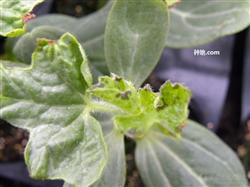
What are the symptoms of herbicide damage in watermelon seedlings?
What does herbicide damage in watermelon seedlings look like? Please explain the symptoms of herbicide damage in watermelon: the seedling leaves turn dull gray, the leaf surface is uneven with bumps and wrinkles and feels stiff, the vines are thin and the leaves become smaller, and plant growth is inhibited. The cause of the damage is that a "broadleaf-killing herbicide" sprayed on neighboring plots spreads through the wind. Even...
-
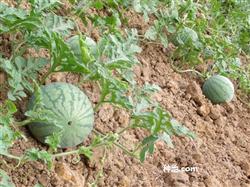
What are the methods for applying herbicides in watermelon fields?
How are herbicides applied to watermelon? What should be noted? To reduce and prevent mistakes in applying chemical herbicides to watermelon, the following issues should be noted in application technique. 1. Correctly select the herbicide. There are many herbicide varieties available for watermelon production, the most commonly used being 48% trifluralin emulsifiable concentrate, 25%...
-
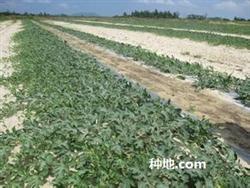
What are the precautions for applying herbicides to watermelon?
What should be noted when applying herbicides to watermelon? In order to reduce and prevent mistakes in applying chemical herbicides to watermelon, the following issues should be noted in application techniques. 1. Correctly select the herbicide. There are many herbicide varieties available for watermelon production, the most commonly used being 48% trifluralin emulsifiable concentrate, 25% nitrofen wettable...
-
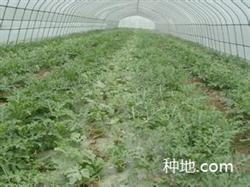
How should herbicides be used in a watermelon field?
How should herbicides be used in a watermelon field? Seeking guidance. Watermelon is one of the important cash crops in our county. To meet the needs of different periods, watermelons are grown in many different ways: direct seeding, transplanting, open-field cultivation, plastic film mulching, single-layer small arch shelters, double-layer small arch shelters, medium tunnels, and large greenhouses. Whether in open fields...
-
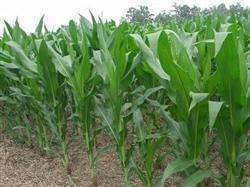
How to Prevent Corn Herbicide Damage to Watermelons
Some readers have asked: some corn field herbicide products are labeled as not to be used on certain corn varieties. Is this because different corn varieties have different sensitivities to these herbicides, and what issues should be noted when using these herbicides in production? Different varieties of corn do indeed differ in their sensitivity to certain herbicides...
-
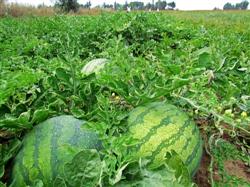
Why must potassium fertilizer be applied for watermelons to be sweet?
According to surveys, according to surveys, the problem of imbalanced nitrogen, phosphorus, and potassium content ratios in current watermelon field soil is relatively prominent. Watermelon is a crop that needs potassium. Increasing potassium fertilizer application can raise the sugar content of the fruit. When applying potassium fertilizer to watermelons, generally 12-18 kg of potassium sulfate can be applied per mu, that is, 2-3 kg per mu as base fertilizer, 6-8 kg as topdressing at the seedling stage, ...
-
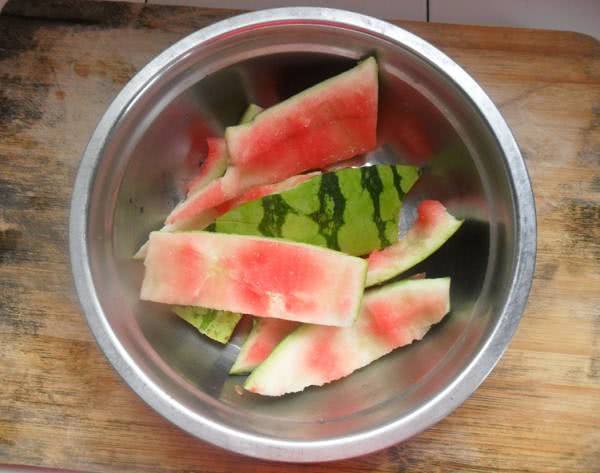
Don't throw away the watermelon rinds after eating watermelon in summer. Keep them and you can use them to grow flowers, and the flowers will grow vigorously and burst out of the pot.
The fruit we buy most often in the hot summer is probably watermelon, after all, watermelon is really cheap in this summer season. Around here, when watermelon is at its cheapest, it only costs 8 mao per jin. In today's society, what else can 8 mao buy? This is also the best summer heat-relief fruit for us ordinary people.
-
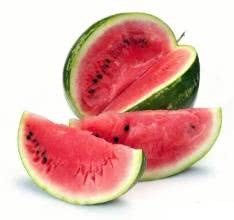
Watermelon rind is the best nutrient solution for growing flowers; you can grow a pot bursting with blooms without buying expensive flower fertilizer
The fruit we love eating most in summer is watermelon. This watermelon quenches thirst and relieves the summer heat; spend a few yuan and buy one, and the whole family will have enough to eat. That watermelon is cool and delicious, and this watermelon rind, we should not throw it away, if...
-
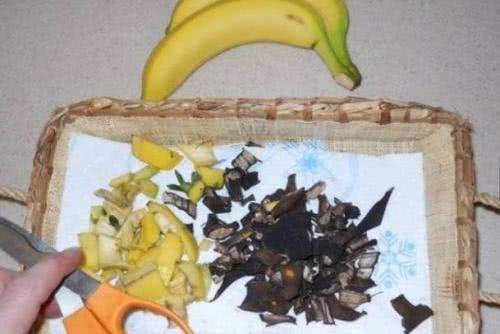
Don't throw away watermelon rinds and eggshells; toss them into flower pots and they beat flower fertilizer - any flower will burst with growth
These everyday items we usually treat as trash are treasures for growing flowers, working even better than flower fertilizer. 1. Fruit peels. Fruit peels are the most common trash in our daily lives, because we basically eat fruit every day. These fruit peels, watermelon rinds, rotten...
-
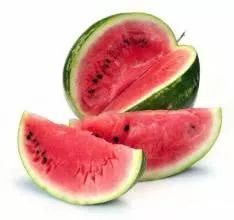
Make your own flower fertilizer from watermelon rinds, skip the pricey flower food, and your plants will still burst with growth
The fruit we love most in summer is watermelon. It quenches thirst and cools you down, and for just a few yuan you can buy one big enough for the whole family to eat. That cool, refreshing watermelon, well, we shouldn't just throw away the rind, if...
条件筛选