-
-
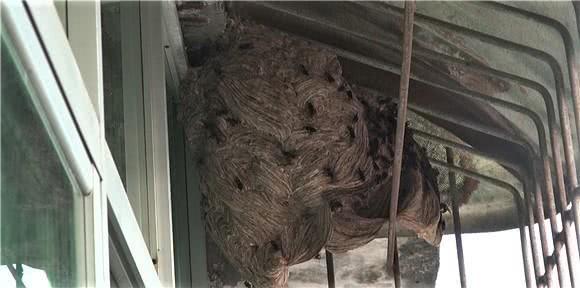
A wasp nest the size of a washbasin hangs on the balcony, wasps swarm wildly, and residents dare not remove it - what should be done?
A wasp nest that poses a safety hazard. Photo courtesy of Qianjiang Fire Department, released by Hualong Net. Firefighters are burning the wasp nest. Photo courtesy of Qianjiang Fire Department, released by Hualong Net. The wasp nest was successfully removed with a woven bag. Photo courtesy of Qianjiang Fire Department, released by Hualong Net. Hualong Net, July 28...
-
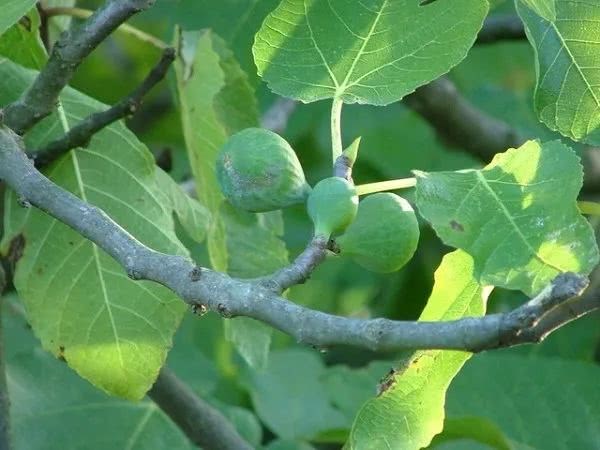
Figs and fig wasps: a love-hate relationship in nature
When people in northern China think of Ficus plants, they may picture the fig tree with its slender branches and oddly shaped leaves; people in the south may think of a massive banyan with dense shade and trailing aerial roots. Regardless of size, their "fruits...
-

Can you really make money raising wasps? Analysis of farming profitability and prospects
Can you really make money raising wasps?
-

-

-

How to trap and kill wasps? Introduction to several commonly used trapping and killing methods
Methods for trapping and killing wasps
-

What are the natural enemies of wasps? A detailed introduction to the main types of natural enemies
What are the natural enemies of wasps?
-
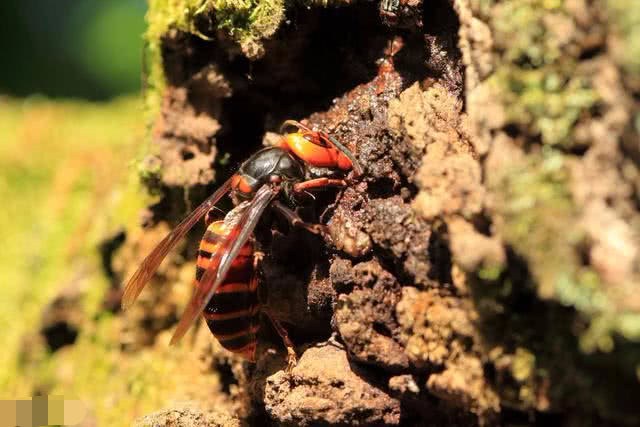
What should you do if you encounter wasps stinging people in the wild?
Summary: What should you do if you are stung by a wasp in the wild? In The Legend of Mi Yue, Mi Shu once plotted to use killer bees to poison Mi Yue's son. Although it is a TV drama, this kind of killer bee that people dread really exists. Although there are many species of wasps...
-

Chestnut gall wasps need targeted control this year, and chestnut growers should pay attention
The chestnut gall wasp, also known as the chestnut tumor wasp, is a major insect pest damaging chestnut trees. It occurs almost every year in chestnut-producing areas in China, but this year the outbreak is especially severe. Large trees, especially old unpruned trees, have reached a 100% damage rate. Controlling the chestnut gall wasp brooks no delay. The chestnut gall wasp has one generation per year and overwinters as first-instar larvae inside infested chestnut buds. In the Yanshan mountainous area, overwintering larvae begin to move and feed during the bud-break period in mid-April and grow rapidly. In early May, during the shoot-sprouting and leaf-unfolding period, galls begin to form. The galls are mostly at the tips of new shoots or
条件筛选