What should you do if you encounter wasps stinging people in the wild?
Summary: What should you do if you are stung by a wasp in the wild?
In The Legend of Mi Yue, Mi Shu once plotted to use killer bees to poison Mi Yue's son. Although it is a TV drama, this kind of killer bee that people dread really exists. Although there are many species of wasps, for this kind of social insect that lives in colonies, if they attack in groups, there are still many cases of people being injured or even killed.
There are many species of wasps, generally referring to the common yellowjacket. After it stings someone, prompt treatment is all that is needed.
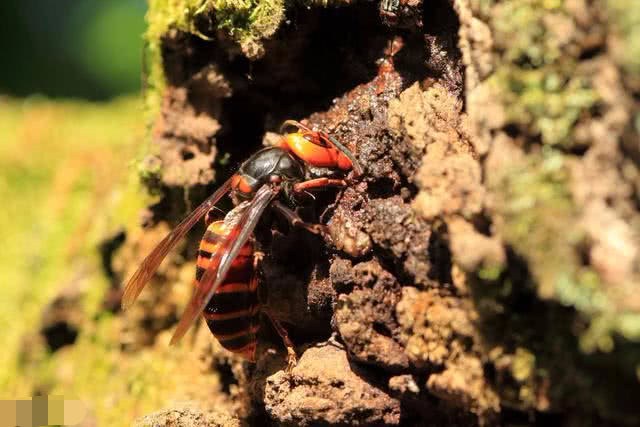
This kind of yellowjacket is less than two centimeters long, and its venom is much stronger than that of bees. If there is no allergic reaction, it rarely causes death. Common yellowjackets live in wall cavities or hollow tree trunks, and they also build nests in paulownia trees back in my hometown. A large nest is like an attic; a peach-shaped nest one meter in diameter can be opened up and divided into twenty or thirty layers.
This kind of wasp usually stings people only occasionally. After being stung, promptly remove the broken stinger, suck out the venom, wash repeatedly with soapy water, then apply acidic liquids such as vinegar, and then seek medical attention promptly. If you are stung in the wild, mashing purslane and applying it can also relieve the pain. Seeking medical attention promptly is to prevent an allergic reaction to the toxin. Once an allergic reaction occurs, it may lead to shock or even death, so it is better to take it seriously.
If you encounter wasps with stronger venom and greater aggression, adapting to the situation is key.
Although this kind of wasp is not numerous in our country, it is still widely distributed, and cases of people being stung occur from time to time. Some people think that if you do not provoke wasps on purpose, they will not sting people. This idea is wrong. Many wasps will not attack casually outside their own territory, but within what they consider their territory, any living animal, including humans, is very likely to come under a group attack. Many wasps differ from bees: after a bee stings, its stinger falls off, while the stingers of many wasps can be used repeatedly. When many wasps come chasing you, it will be too late for regret.
So when you find a gathering place of wasps, you should immediately stop moving forward and quietly back away before the wasps notice you. If you accidentally make a sound at this time, cover your head with clothing and run as fast as you can and as far as you can. If there is a river, hiding in the water is also a good method.
If you are accidentally stung by a wasp, simple treatment must be done, and you should pay attention to observation to prevent an allergic reaction.
We just mentioned that after being stung by a common wasp, treatment should be carried out. Now let's talk about the detailed treatment steps. First, observe whether there is a venom needle at the sting site. If there is, carefully remove it, being careful not to pinch the venom sac, which could inject more toxin into the body. Then suck out part of the toxin with your mouth, or use a cupping jar to draw it out, to prevent too much toxin from entering the body.
After that, apply medicine. Because wasp venom is alkaline, applying acidic things such as lemon can relieve the pain. In addition, breast milk also has a good effect, but this thing is hard to get. After applying medicine, if the pain is severe, you can appropriately take anti-allergy medicines such as chlorpheniramine. Finally, observe patiently. If rapid breathing occurs, send the person to the hospital immediately, because rapid breathing after being stung is very likely an allergic reaction. If there are no other symptoms after twenty minutes, you can relax.