Which pesticides are prone to causing phytotoxicity when sprayed on fruit trees
Which pesticides can cause phytotoxicity in fruit trees? Please give an introduction. Pesticides that can cause phytotoxicity in fruit trees include: Omethoate: Apricot, pear, peach, fig and other fruit trees are sensitive to this pesticide solution at dilution concentrations below 1500 times, and phytotoxicity is very likely to occur when sprayed. In addition, during high-temperature seasons (above 30°C), use it as little as possible...
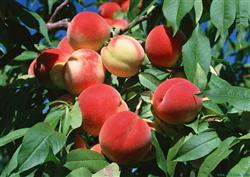
Which pesticides can cause phytotoxicity in fruit trees? Please give an introduction
Pesticides that can cause phytotoxicity in fruit trees include:
Omethoate: Apricot, pear, peach, fig and other fruit trees are sensitive to this pesticide solution at dilution concentrations below 1500 times, and phytotoxicity is very likely to occur when sprayed. In addition, during high-temperature seasons (above 30°C), use it as little as possible.
Dichlorvos: This pesticide easily causes phytotoxicity in fruit trees such as cherry and apricot. When used on other fruit trees, the concentration must not be lower than 800 times, otherwise phytotoxicity will also occur.
Fenitrothion: It should be mixed and used immediately, and it cannot be transported or stored in iron or copper containers. This pesticide easily causes phytotoxicity in cruciferous plants.
Malathion: It cannot be placed in metal containers, and metal spray equipment should be rinsed clean promptly after use. Using this pesticide at high concentrations can cause phytotoxicity in fruit trees such as cherry, pear and grape.
Fenthion: This pesticide easily causes phytotoxicity in fruit trees such as peach, cherry and pear.
Propargite: When this pesticide solution at a concentration below 3000 times is sprayed under high temperature and high humidity, it easily causes phytotoxicity in plant seedlings and newly grown tender shoots and tender leaves.
Chlorothalonil: When oil-based pesticide formulations are sprayed on fruit trees such as persimmon, peach and pear, phytotoxicity is likely to occur.
Asomate: This pesticide cannot be mixed with alkaline agents or copper-based pesticides, otherwise phytotoxicity is likely to occur.
Lime sulfur mixture: Using this pesticide will cause phytotoxicity in peach, plum, pear and leguminous plants. It should not be mixed with oil emulsions, Bordeaux mixture, etc. It should not be used during high summer temperatures (above 32°C), low spring temperatures (below 4°C) or the plant budding stage.
Bordeaux mixture: This pesticide is relatively sensitive to fruit trees such as peach, plum and pear and easily causes phytotoxicity.
Paraquat: This pesticide is a contact-type non-selective herbicide. During the seedling stage of fruit trees, directional spraying should be used, and the pesticide solution must not be splashed onto the leaves, otherwise phytotoxicity is likely to occur.
Oxyfluorfen: Avoid using this pesticide within 5-8 weeks after the tree seedlings have just sprouted, so as not to harm the seedlings.
Atrazine: Peach trees are sensitive to this pesticide, which can cause leaf yellowing and fruit drop.
Glyphosate: This pesticide is a non-selective herbicide. Prevent the spray mist from drifting onto nearby crops to avoid causing phytotoxicity.
In short, the following points should be noted for the safe use of pesticides.
1. According to the principle of "safe, economical and effective," choose pesticide varieties with high efficiency and low toxicity as much as possible. Before using pesticides, carefully read the pesticide instruction manual and use pesticides correctly and safely.
2. Pesticide mixing should be carried out in places far away from drinking water and residential areas. Used pesticide packaging should be burned or buried deep, and pesticide bottles and pesticide bags must never be used to hold food and drinking water.
3. When mixing, applying and carrying pesticides, wear a mask, rubber gloves, long-sleeved clothes and trousers, and shoes and socks. Prevent the pesticide from contaminating the skin and eyes.
4. During the process of applying and carrying pesticides, do not drink alcohol, drink water, smoke or eat, do not talk or play around, and do not wipe the mouth, face or eyes with your hands. After spraying, if you need to eat, drink or smoke, first wash your hands and face and rinse your mouth. The time spent carrying or applying pesticides each day must not exceed 6 hours.
5. When using a sprayer to apply pesticides, do not operate facing the wind, do not spray on both left and right sides at the same time, spray every other row, and it is best to walk backward while operating. Stop applying pesticides in strong winds and during the high temperatures at noon.
6. Do not let children, or women who are pregnant, breastfeeding or menstruating, apply pesticides.
7. Areas where highly toxic pesticides have been applied should have warning signs set up to prevent people, livestock and poultry from entering. If pesticide contamination occurs accidentally, immediately change clothes and wash the skin with soapy water. If symptoms of pesticide poisoning such as dizziness and vomiting occur, immediately send the person to the hospital for treatment, and show the label of the pesticide used so that the doctor can prescribe the right medicine.
Click to get more insecticide application techniques
Click to get more pesticide application techniques