-
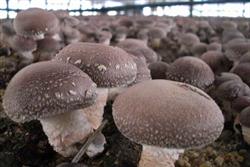
Six key taboos to remember when using bacterial biological insecticides
Edible fungi suffer pest damage during the mycelium growth and mushroom fruiting stages due to the distinctive odor of the mycelium, so insecticides are often used when pest damage occurs. When pest damage occurs in edible fungi, the first step is to choose insecticides that are highly effective, low in toxicity, and have a short residual life, such as decis and dichlorvos; do not use banned substances such as benzene hexachloride (BHC) and DDT...
-
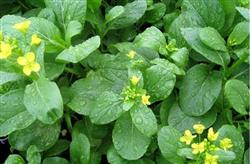
What are the benefits of using organic fertilizer in combination?
Organic fertilizer is an indispensable source of nutrients in vegetable production. It plays an important role in building soil fertility, supplying nutrients and improving the quality of vegetable products, and it is receiving increasing attention in pollution-free vegetable production. However, there are still some misconceptions in the application of organic fertilizer at present, so the author puts forward some application...
-
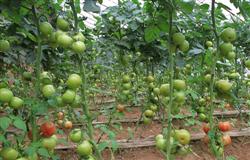
What are the key points to note when using foliar fertilizer on tomatoes?
When using foliar fertilizer on tomatoes, note the following points: 1. Determine the type of nutrient according to the growth status of the tomatoes. Generally speaking, in the early fruiting stage the plants grow vigorously and are prone to excessive vegetative growth, so foliar nutrients that promote stem and leaf growth should be used sparingly, and potassium dihydrogen phosphate, compound fertilizer, etc. can be chosen. In the peak fruiting stage the plant growth...
-
Five misconceptions to avoid when using plant growth regulators
Organophosphate insecticides are the most widely used and highest-volume class of insecticides in China, with many varieties and vastly differing properties, but taken together they have the following characteristics: (1) A relatively broad insecticidal spectrum. The organophosphate insecticide varieties commonly used today can control many agricultural and forestry pests, and some can be used to control public health pests...
-
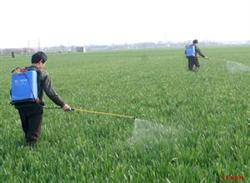
What are the precautions for using bacterial biological insecticides?
To use pesticides to control crop pests and achieve the best insecticidal effect, while selecting the right pesticide and applying it at the right time, you must, based on the three factors that affect efficacy, pay attention to solving the two easily overlooked problems of timely application and delivering the pesticide to the target. 1. The three factors affecting efficacy. 1. Climate. Application...
-
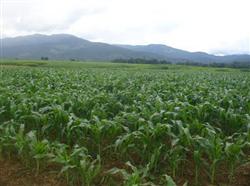
What are the precautions for using post-emergence herbicides in corn fields?
I. 2,4-D butyl ester. (1) Causes of phytotoxicity. Applying the herbicide too late, at too high a dose, or unevenly can cause phytotoxicity. (2) Symptoms of phytotoxicity. When the herbicide is applied to the soil, the young shoots bend and the young roots grow upward, then later return to normal. When the herbicide is applied to stems and leaves, the stems become twisted, the leaves become narrower, ...
-
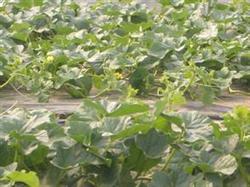
What are the precautions for using insecticides during the melon seedling stage?
Melon seedlings are sensitive to many insecticides and are highly prone to pesticide damage, so insecticides must be used with extra care. For pests such as ground beetles, a moat method can be used: dig a small ditch around the seedbed, line it with waterproof plastic sheeting, then fill it with water and add Shennongbao or Amaier to form a barrier, which is very...
-
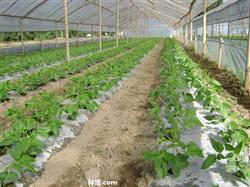
What are the precautions for using water-soluble flush fertilizer on greenhouse vegetables?
What should be noted when using flush fertilizer for greenhouse vegetable cultivation? Seeking answers. As a new type of topdressing, flush fertilizer is welcomed by the majority of farmers because of its features such as easy application, easy absorption and fast fertilizer effect. Especially in greenhouses with protected cultivation, it has been applied over a large area and achieved good economic benefits. Greenhouse veget...
-
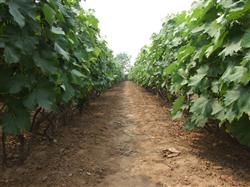
Scientific Methods for Using Fruit Tree Growth Regulators
How should growth regulators be used scientifically on fruit trees? Guidance requested. The following methods of using plant growth regulators can be used for reference: 1. Cutting rooting. Mainly used for grapes, kiwifruit, and apple dwarfing rootstocks. The commonly used agents are auxins such as indolebutyric acid (IBA), naphthaleneacetic acid (NAA), and sodium naphthaleneacetate. Methods of use: ①...
-
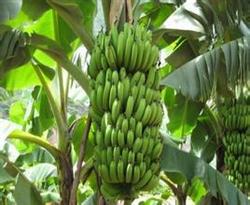
What are the precautions for using plant regulators?
How are plant growth regulators used on bananas? An introduction is sought: the growth and development, flowering and fruiting of bananas are affected by nutrients and endogenous hormones within the plant as well as external environmental conditions (climate, soil, management level), and during the growth and development process they are often constrained by one aspect, which affects the yield and qua...
条件筛选