-
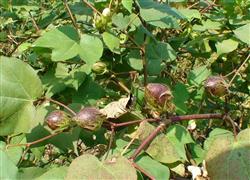
The correct method for using ethephon to ripen cotton
How do you use ethephon to ripen cotton? Please give an introduction. Correct use of ethephon to promote ripening of cotton bolls can make the bolls open 7-10 days earlier, increase yield by 6.4%-10.2%, and increase income by 26-40 yuan per mu. However, the following points should be noted when using it: 1. Efficacy. Ethephon on the market mainly comes in aqueous and oil...
-
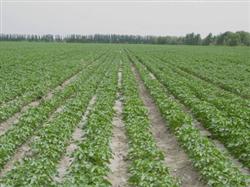
A Detailed Guide to Using Ethephon on Cotton in the Late Stage
How is ethephon used on cotton in the late stage? Here is an introduction. Using ethephon in the late stage of cotton growth has become a yield-increasing technique very popular among cotton farmers. Ethephon is a ripening agent; after use, it generally allows cotton bolls to open 7-10 days earlier, increases the amount of cotton picked before frost by 20-30%, and can improve the luster of the cotton...
-
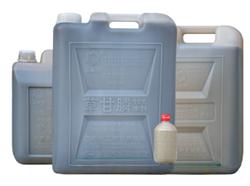
Methods of Using Glyphosate and Experience Sharing
Glyphosate, as a herbicide, is currently used in large quantities and has a good weeding effect, and is deeply welcomed by farmers. However, its use still requires a certain level of technical skill; a little carelessness can easily bring adverse effects to production, and it deserves everyone's attention. 1. Why does the efficacy of glyphosate herbicide vary when applied. ...
-
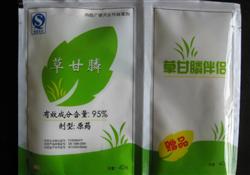
What are the precautions for using glyphosate-series herbicides?
What should be noted when using glyphosate-series herbicides? Please give an introduction. Glyphosate-series herbicides are organophosphorus, low-toxicity, systemic-conductive, broad-spectrum, non-selective post-emergence herbicides that can effectively control annual and perennial malignant weeds. When using glyphosate herbicides, if they are not used correctly, they may...
-
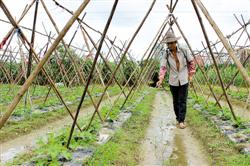
What precautions should be taken when using glyphosate?
What should be noted when applying glyphosate? Please provide guidance. When applying glyphosate, note the following: 1. Glyphosate is a non-selective herbicide; when spraying, never let it contaminate crops, to avoid herbicide damage. 2. For perennial vicious weeds such as cogon grass (Imperata cylindrica) and purple nutsedge (Cyperus rotundus), apply a second dose 1 month after the first application to...
-
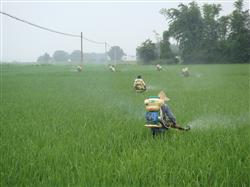
What are the precautions for using pesticides and insecticides?
What should you pay attention to when applying pesticides (insecticides)? To achieve better results when applying pesticides, you should pay attention to the following two points: First, choose a favorable time to apply the pesticide based on climate characteristics and the pest's day-and-night activity patterns. The best times to apply pesticides are from 9 a.m. to 10 a.m. and after 4 p.m. Because...
-
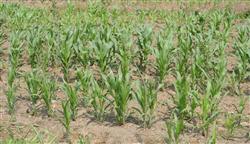
What precautions should be taken when using glyphosate for weed control in corn fields?
What should be noted when using glyphosate for weed control in corn fields? Please explain that glyphosate is a systemic herbicide. When used for weed control in corn fields, if used improperly, it can cause harm to corn, mainly for the following reasons: First, a lack of understanding of the properties of glyphosate; glyphosate is a systemic herbicide...
-
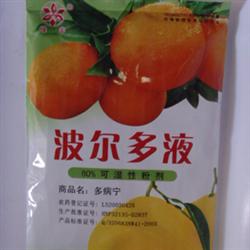
Correct methods for using non-systemic fungicides
How are non-systemic fungicides used? Please give an introduction. The following introduces how to use the non-systemic fungicide Bordeaux mixture: Bordeaux mixture is a sky-blue viscous suspension made from copper sulfate, quicklime and water. It is alkaline and corrosive to metals. It is a non-systemic protective inorganic fungicide, ...
-
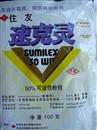
What are the correct methods for using low-toxicity fungicides?
How are low-toxicity fungicides used? Please provide an introduction to the methods. The following introduces the methods for using several low-toxicity fungicides: Antimycin 120 (Nongkang 120, 120 agricultural antibiotic) is suitable for controlling powdery mildew, anthracnose and Fusarium wilt. To control soil-borne diseases such as Fusarium wilt of cucurbits and eggplant, a 2% aqueous solution at 130 to 200 times dilution can be used...
-
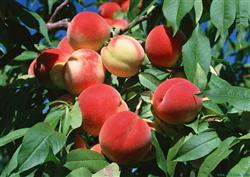
Which pesticides are prone to causing phytotoxicity when sprayed on fruit trees
Which pesticides can cause phytotoxicity in fruit trees? Please give an introduction. Pesticides that can cause phytotoxicity in fruit trees include: Omethoate: Apricot, pear, peach, fig and other fruit trees are sensitive to this pesticide solution at dilution concentrations below 1500 times, and phytotoxicity is very likely to occur when sprayed. In addition, during high-temperature seasons (above 30°C), use it as little as possible...
条件筛选