-
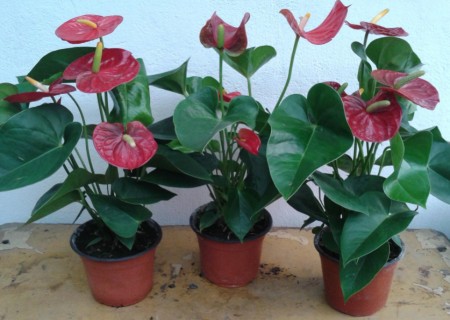
Anthurium Division Propagation Method and Illustrated Tutorial
Anthurium has a long blooming period and vivid colors, with its spathe-like flower center standing out prominently. As a household potted plant, it can not only decorate a space but also regulate indoor air humidity and absorb harmful substances from the air, keeping people feeling relaxed and happy both physically and mentally.
-
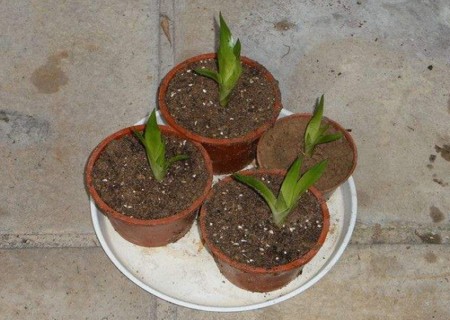
Bromeliad (Guzmania) division propagation tutorial, methods and steps explained in detail
Guzmania, as its name suggests, symbolizes "great fortune and rising step by step," and is a flowering plant that represents good luck. Because Guzmania's flowers are large and eye-catching, it is very suitable for growing as a potted plant at home, adding a great deal of peaceful festive atmosphere during the holidays. Guzmania often blooms only once in its entire lifetime
-
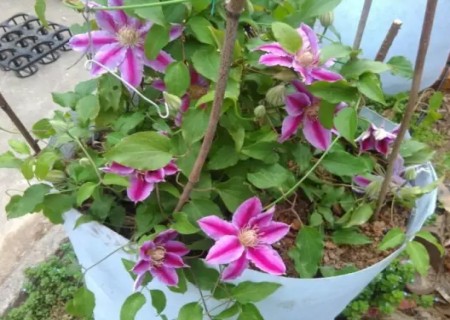
Clematis cutting propagation illustrated tutorial, a step-by-step guide to help you master it
Clematis is a perennial herbaceous plant. Although its stems and vines are relatively slender, they can grow very long, and they are very sturdy and quite tough, which is why people call it clematis. Even though the stems and vines are slender, the flowers it blooms are very beautiful, the flower colors are fairly rich, and the fragrance is pleasant. It can not only be used as a cut flower
-
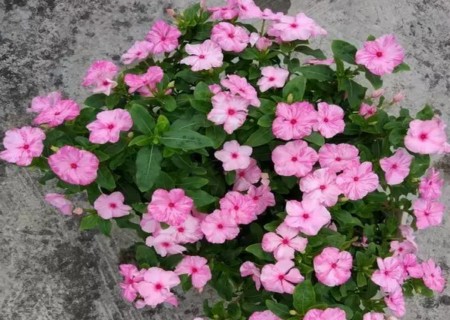
How do you sow and grow Periwinkle seeds? A detailed tutorial you'll get right away
Every year from August to October is the seed collection period for Periwinkle seeds. Seeds should be collected as soon as they ripen, which prevents the seeds from scattering everywhere and being lost. In spring, when the temperature reaches 20°C, we can take out the collected seeds and sow them
-
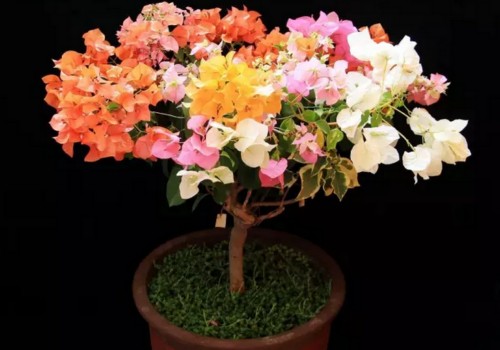
How to graft Bougainvillea? Detailed illustrated step-by-step tutorial
Grafting is a relatively efficient and magical way to cultivate high-quality young plants, especially for plants with a rich variety of flower colors like Bougainvillea. Through grafting, the plant can bloom with a colorful array of flowers during its flowering period, stunning and impressive.
-
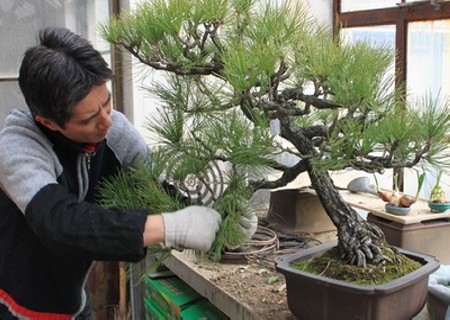
Detailed Tutorial on How to Create Shanghai-Style Bonsai
Everyone knows that if we want to do anything well, we cannot act blindly; we must think it through carefully before proceeding, so that we can achieve twice the result with half the effort. Otherwise, haste makes waste. Take bonsai creation, for example. To create a successful and satisfying work, besides doing the preparatory work in advance
-
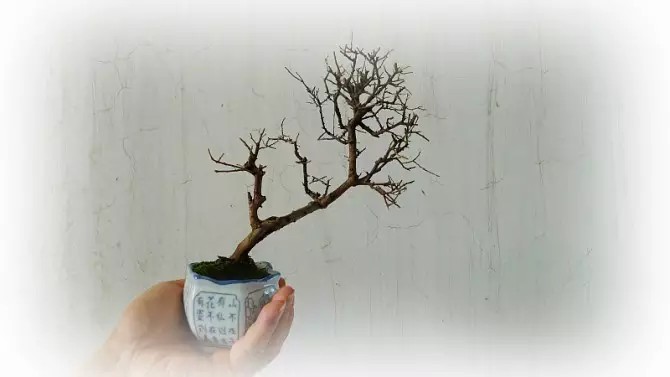
How do you make a miniature bonsai? This tutorial shows you step by step
Actually, making a miniature bonsai is not difficult. As long as you are interested, you will succeed through practice! First, find the miniature pot and stand you bought in advance. These are the necessary tools, and once the pot and stand are chosen, select the material that has been successfully cultivated. Here I chose this small Sageretia thea (Chinese sweet plum) and dug it up.
-
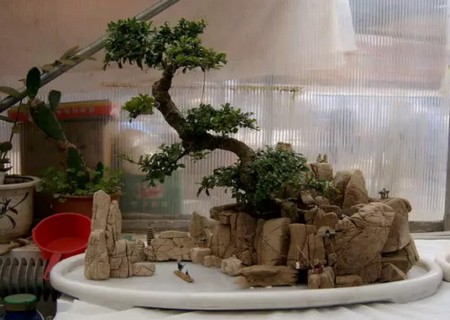
Illustrated Tutorial on How to Make a Tree-Rock Water-and-Land Penjing
Tree-rock water-and-land penjing uses plants, rocks and growing medium as materials, applying respectively the creative techniques of tree penjing and landscape penjing, combining them into a scene according to a conceived theme, and carefully shaping the terrain and landforms, dotting them with ornaments such as pavilions, boats and carts, cattle and horses, and human figures, to represent a water area in a pot
-
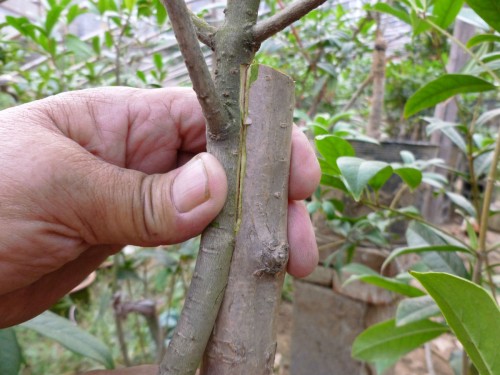
Illustrated Tutorial on the Approach Grafting Method for Stump Bonsai Head Roots
For stump bonsai grafting, the approach grafting method and the cleft grafting method are used. In North China, approach grafting can be carried out from May to August, and the best time is from before the dog days to the third dog days. With outdoor care, success is generally achieved in just over two months. Cleft grafting is carried out in late March when Chinese ash and osmanthus begin to sprout. After grafting, place them in a sunny shed to prevent wind from causing water loss.
-

How to make a Shangshui stone bonsai? A detailed step-by-step tutorial
Shangshui stone is also called water-absorbing stone (a natural air purifier). It is called this because after water is stored in the pot, Shangshui stone can absorb it to the top in an instant. Wild grass and moss can be planted on the stone, making it verdant and lush; it is an excellent stone material for making bonsai. In essence, Shangshui stone is sand-accumulated stone, loose and brittle, with particularly strong water absorption.
条件筛选