-

Key Points of Spring Fertilization and Pruning Techniques for Peach Trees
Spring is the season when peach blossoms are in full bloom, and it is also the period that determines bud break, flowering, and fruit set. Management at this stage affects the yield and quality of peaches later on. So, what fertilizer is best to apply to peach trees in spring? Pruning techniques attached! 1. What fertilizer is best to apply to peach trees in spring?
-
How to Grow Pear Trees: A Complete Guide to Courtyard Planting Conditions and Techniques
Pear is a very common fruit, and many people enjoy eating it. Pears can relieve constipation, aid digestion, and are also good for the cardiovascular system. So how do you grow a pear tree? Can it be planted in a yard? Let's take a look below. 1. How to Grow Pear Trees? 1. Timing
-
Late spring cold snap strikes: how to protect vegetables, wheat and fruit trees?
Late spring cold snap is a weather phenomenon in which temperatures in early spring are lower than the same period in normal years, and crops often suffer frost damage as a result. This kind of dramatic turn in the weather is very unfavorable to agricultural production. If preventive measures are not taken in time, crops can easily be frozen. So, vegetables, wheat, fruit trees
-
Symptoms and Control Methods of Crown Gall Disease in Fruit Trees
Crown gall disease in fruit trees is a very common disease. If it is not controlled in time, it may reduce yields and even cause the death of fruit trees. Therefore, fruit growers must do a good job of prevention and control. So what are the symptoms of crown gall disease in fruit trees? How should it be controlled? I. Main symptoms of crown gall disease
-
How to prevent and remedy late spring frost damage in fruit trees? Growers advised to save this after a warm winter
Although spring has already arrived and temperatures are rising, sudden cold air outbreaks are still possible. This phenomenon is commonly known as late spring frost, and the fluctuating environmental temperatures can cause great harm to fruit tree growth. So after a warm winter, what are the prevention and remedy measures for late spring frost damage in fruit trees?
-
How to Protect Cherry Trees from a Late Spring Cold Snap? 7 Tips to Help Growers Avoid a Total Crop Loss
A late spring cold snap is a killer for crops. During March and April, just when some crops are at key stages of flowering and young fruit development, a late spring cold snap can very likely cause reduced yields or even a total crop loss. For example, cherry trees, which are relatively sensitive to environmental changes, need proper protective measures
-
What crops are suitable for planting under trees? Prospects and techniques for understory planting
When carrying out landscape construction, planting and breeding under the forest has also been a relatively popular management method in recent years, because the tree planting density is not high, and the open space under the forest can be fully utilized for interplanting other crops. So what crops are suitable for planting under trees?
-
Winter Irrigation Techniques for Fruit Trees: Master the Method to Keep Your Fruit Trees Safe Through Winter
The Best Time for Winter Irrigation The suitable period for winter irrigation of fruit trees is from after the fruit harvest to before the soil freezes. If winter irrigation is done too early, the temperature is still relatively high and evaporation is great, which is not conducive to storing water and preserving soil moisture, and reduces the fruit trees' ability to resist cold and prevent freezing. If done too late, the low temperature causes the soil to harden, water cannot seep down, and the accumulated water freezes, making the fruit tree roots susceptible to freeze damage.
-
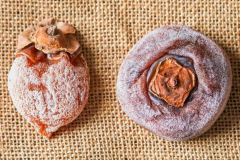
An Introduction to the Characteristics and Production Methods of Qingzhou Hanging Persimmon Cakes
The winter solstice has quietly passed, and the persimmons have been off the trees for some time now. Finally, the bright red, honey-sweet persimmon cakes are here. Qingzhou persimmon cakes not only have naturally formed frost, but also feature thick frost, a bright base, a moist texture, and a sweet, fragrant taste. In the Ming Dynasty, they were even elevated to a royal tribute.
-
条件筛选