Can tamarind trees grow normally in the north?
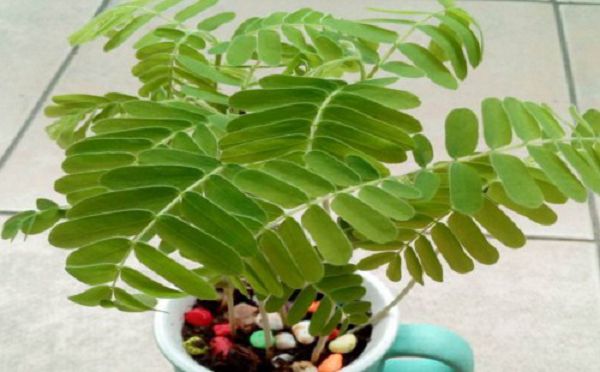
Tamarind trees can not only be planted in the ground for mass production of tamarind, but because they have good medicinal effects and edible value, they can often bring people decent economic benefits, and they can also be grown in pots for ornamental purposes. If tamarind seedlings are grown in pots for appreciation, their leaves are shapely and attractive, lush and pleasing to the eye, and often bring a touch of fresh, delicate beauty to the environment. However, when grown as a fresh, delicate ornamental potted plant, flowering and fruiting are usually given up, since tamarind seedlings grown from seed do not easily flower and fruit.
Growing tamarind trees not only has good edible value and medicinal value, but also has a certain ornamental value. Whether for mass production of fruit or for potted ornamental display, we need to create a comfortable growing environment for them, since tamarind has certain requirements for its growing environment and cannot be grown successfully just anywhere. This is because different regions and spaces often have different climates and environments, sometimes with very large differences; for example, the climates and environments of southern and northern China differ greatly.
As everyone knows, southern China often has a relatively warm and humid climate with ample sunlight, and even in winter temperatures are usually not very low, making it comfortable for people to live in. In northern China, however, the four seasons are usually very distinct, and temperature conditions vary greatly; especially in some local areas, winter brings extremely cold and harsh weather, which is not only unsuitable for human habitation, but even many plants find it hard to endure such low temperatures. Precisely because the climates and environments of southern and northern China differ greatly, the plant species suitable for growing in each are generally different as well.
The tamarind tree is a tropical tree species that likes warmth and sunlight, and is also relatively drought-tolerant and tolerant of poor soil, but its cold tolerance is rather poor, with the most suitable growing temperature usually around 25°C. If these growing requirements of the tamarind tree can be met and a comfortable growing environment created for it, then it is also relatively easy to grow well. By comparison, southern China can basically meet the tamarind tree's requirements for its growing environment, so it is planted across a vast area of southern China. In northern China, however, temperatures are often relatively low, especially in winter, and since the tamarind tree is a tree species that loves sun and warmth, when grown outdoors in the natural environment of the north in winter it is generally difficult for it to survive the winter safely. Therefore, it is not suitable to grow tamarind trees in northern China.
But nothing is ever too absolute. Although the natural environment in the north is not suitable for growing tamarind trees, if we can build a warm, comfortable greenhouse environment that feels like spring all year round and place potted tamarind trees inside it, they will usually neither suffer poor growth due to lack of light nor suffer frost damage due to outside temperatures being too low. However, if a greenhouse environment like this is specially built just to ensure that potted tamarind trees survive the winter safely and smoothly, the cost is often too high and it is not very practical.
Then, some gardening friends consider moving potted tamarind trees indoors for care when winter comes, which can often achieve the effect of protecting them from the cold and keeping them warm, thereby ensuring the plants are not frostbitten. But everyone should not overlook the effects of humidity and light on tamarind tree growth. The tamarind tree likes a warm, sunny and humid growing environment, so we cannot pursue only warmth while ignoring light and humidity. In the northern winter, homes generally have heating or a heated brick bed, which can keep potted tamarind trees warm, but the indoor air is often very dry, and it is also inconvenient for them to receive light, so even if potted tamarind trees are moved indoors for care, various growth problems often appear, and even death can occur.
In summary, tamarind trees generally cannot be grown successfully in northern China, especially in the outdoor natural environment, where they are almost unable to grow in winter, and frostbite and freezing to death are unavoidable. Even if they are moved indoors for care, growth problems will still appear due to insufficient light and inadequate humidity. After all, the tamarind tree is a tree species that likes a warm, sunny and humid growing environment. In view of this, the editor still recommends that gardening friends in southern China grow tamarind trees.