-
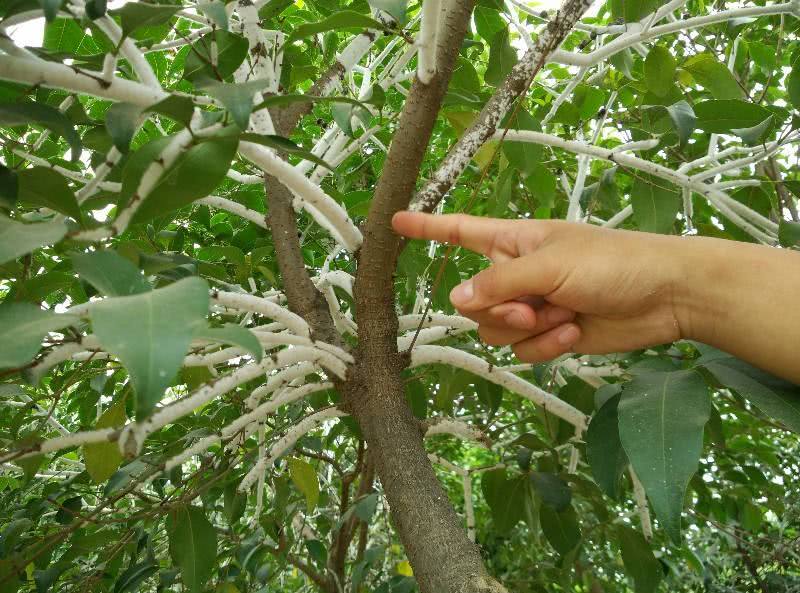
The "snowflakes" seen on trees are actually precious insect wax, 150 yuan per jin
My favorite thing every day is to take a walk by the fields in the village after a meal, looking at the lush green trees, the air is especially fresh, and my mood becomes especially cheerful. On summer evenings the breeze is cool, and watching the trees in the woods, the closer I walked, the more I saw...
-

Cultivation and Management Techniques for Young and Fruiting Lychee Trees
Lychee belongs to the Sapindaceae family and originated in our country. It is one of the four famous fruits of southern China, with a cultivation history of over 2,000 years. The following growth characteristics of young lychee trees have been summarized from lychee cultivation experience: (1) low branching order of shoots; (2) large shoot growth volume; (3) vigorous root growth; (4) early flowering period...
-
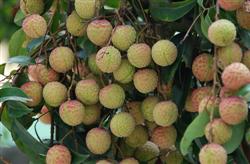
How to Cultivate Robust Autumn Shoots on Mid-season Lychee Trees
1. For bearing trees in late May, apply 0.5 kg of compound fertilizer (nitrogen, phosphorus, potassium 15:15:15) per tree in a shallow ring trench or shallow strip trenches on opposite sides at the drip line of the canopy, then cover with soil to help stabilize fruit and strengthen shoots. 2. Sugar apple (Annona squamosa) roots are shallow-growing, and new roots are fleshy and slow to become suberized; the tree is intolerant of drought yet afraid of waterlogging. Because...
-
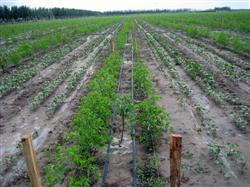
Control methods for pests that feed at the door in spring on jujube trees
Autumn management of young jujube orchards mainly involves controlling fertilizer and water, strengthening loosening of the soil, promoting continuous thickening and lignification of the trunk, and creating good conditions for young trees to overwinter. The key technical points for autumn management of young trees are summarized as follows: Control irrigation. Jujube trees are drought-tolerant, prefer warmth, sprout late, and shed leaves early. Young trees should be watered appropriately, with the basic principle...
-
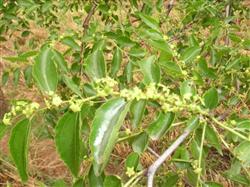
Detailed Explanation of Key Technical Points for Soil, Fertilizer and Water Management of Jujube Trees
Jujube trees have a relatively long flowering period and prefer moisture while fearing drought. At full bloom, when 60% of the flowers are open, clean water can be sprayed evenly over the jujube flowers, once every 2 to 3 days, for 2 to 3 consecutive sprays, which can increase the fruit-setting rate. When more than 1/3 of the jujube flowers are open, spray 0.5% urea and 0.4% potassium dihydrogen phosphate or Tianrun No. 1 solution, once every 5 to 7 days...
-
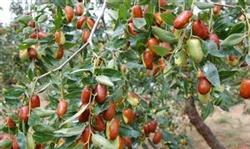
How to get more fruit set on jujube trees? Remember these three tips
1. Rationalized control. Before flowering (around early May), apply 0.5-0.75 kg of urea per large tree and 0.25 kg per young fruiting tree; after flowering, during the young fruit development stage (mid-to-late June), apply a nitrogen, phosphorus, and potassium compound fertilizer once more, about 0.75 kg per tree. At the early full-bloom stage, spray a 10-50 ppm gibberellin solution or at the full-bloom stage...
-
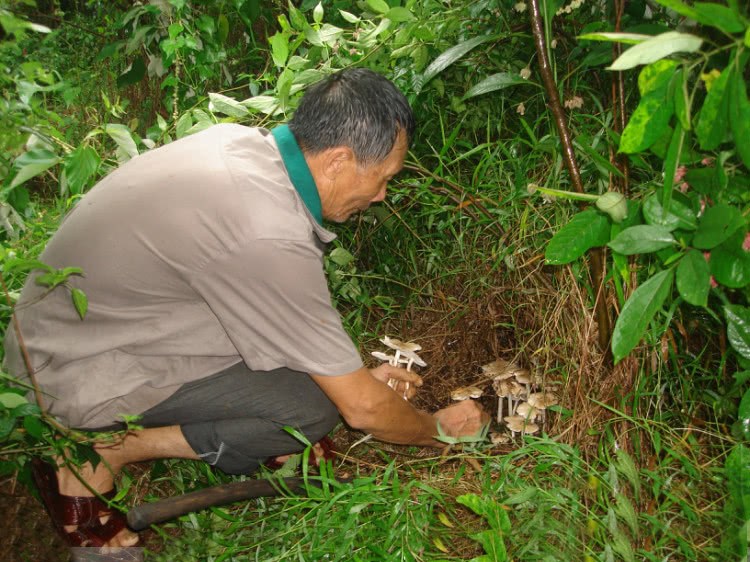
The king of mushrooms that only grows under lychee trees, you have to pick it with a flashlight, and its shelf life is no more than one day
When it comes to fungi, they are an enormous family, with a history on Earth of several hundred million years. Almost anywhere that is damp, dark and decaying, they can be found. Fungi are rich in nutrients and are eaten as a common vegetable. Although common, ...
-
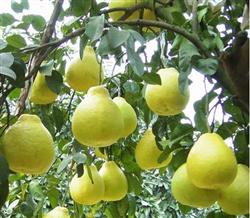
Applying phosphate fertilizer early and sufficient potassium fertilizer to pomelo trees can achieve high yields
Pomelo, also known as honey pomelo, has branches, leaves and fruits that are thicker, wider and larger than those of citrus. It has high yields per mu and requires large amounts of fertilizer, making it the "big eater" of the citrus family. The main pomelo production areas are mainly in South China, where the soil is severely deficient in potassium, and the application rate of potassium fertilizer is roughly the same as that of nitrogen fertilizer. For balanced fertilization of nitrogen, phosphorus and potassium in pomelo, it is necessary to control nitrogen fertilizer, apply phosphate fertilizer early, and apply...
-
Pruning Methods and Technical Key Points for Young Bearing Apricot Trees
How to prune young bearing apricot trees? The main task of pruning young bearing apricot trees is to continue developing good scaffold branches, develop good fruiting branch groups, expand the canopy, promote canopy development, and promote early production. Young bearing trees still have a large growth volume, and pruning should still balance three aspects: shaping, expanding the canopy, and fruiting. In terms of pruning...
-
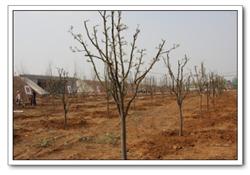
Detailed Explanation of Key Points for Fertilization and Water Management Techniques for Apricot Trees
I. Fertilization In the first year after planting, young trees are fertilized with light, frequent applications in order to rapidly expand the canopy and form a certain number of flower buds. The first fertilization is applied when the trees sprout after planting, after which a topdressing is applied once every 15-20 days, mainly with urea, combined with phosphorus and potassium fertilizers and organic fertilizer. Topdressing is stopped in early July, with appropriate water control...
条件筛选