-

Mostly sunny, little rain in Northeast China favors rice transplanting and the final stage of spring sowing
At present, most of Northeast China's rice has entered the suitable transplanting period. In Jilin, 21% of rice has been transplanted, and in Heilongjiang, 30% has been transplanted. Sowing of dryland crops such as spring corn and spring wheat in most of Northeast China is basically complete. In Heilongjiang, due to frequent low-temperature and rainy weather since May, with precipitation from the 10th to the 18th being 1 to 4 times more than usual, some farmland has become waterlogged, soybean sowing has just passed 50%, and paddy field preparation and rice transplanting have also been slightly affected.
-
Machine-transplanted early rice yields a bumper harvest, with strong momentum for mechanization promotion
Despite being affected by prolonged continuous low temperatures, overcast and rainy weather, and insufficient sunlight, the machine-transplanted early rice at Datonghu Farm of Hunan State Farms still achieved a bumper harvest. Expert inspection data show that the average yield of machine-transplanted early rice in the area was 532.8 kg per mu. At the same time, more than 110,000 mu of machine-transplanted early rice in the area
-
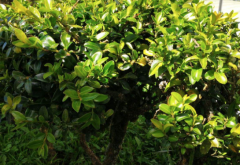
Are Evergreen Trees Easy to Grow and Keep Alive? Planting Methods, Transplanting Time and Precautions
Evergreen trees are popular trees to plant, but are they easy to grow and keep alive? How do you plant them, and what precautions should you take during the planting process? Let's take a look! The best time to plant evergreens. Evergreen trees can be planted at any time that suits you, but
-
When should chives be transplanted, and can they be grown without soil?
Chives are a vegetable with a distinctive smell, and consumers vary in how much they accept it; some love eating them, while others cannot stand the smell. Chives are grown in every part of our country and have a very high adaptability to the environment, making them a very suitable vegetable for lazy gardeners.
-
How Big Should Tomato Seedlings Be Before Transplanting, Planting Out and Fertilizing? When Do They Flower?
Summary Transplanting time: transplant and plant out when the seedlings are 20-25 days old and have 3-4 leaves. Soil preparation and planting out: make the planting beds into 50cm wide ridges, planting 4500 plants per mu. Temperature management: keep the daytime temperature at 25-30°C and the nighttime temperature at 15-17°C. Fertilizer and water management:
-
Best Time to Transplant Tea Seedlings and Key Points for Fertilizing and Pruning Management After Transplanting
Abstract The best time to transplant tea seedlings is from November to March of the following year. If the weather is relatively cold, it can be postponed to February-March. Fertilizing is generally done about 1 month after transplanting, and the furrow application method can be used. Dig wide furrows between the rows around the canopy in combination with intertillage. First spread the fertilizer on the ground
-
What is the best month to plant and transplant cherry tree saplings?
Summary The best time to plant cherry tree saplings is around October to November in autumn, when the survival rate is relatively high; then transplant in mid-March of spring, keep a spacing of about 20-30cm after planting, then cover the roots with soil and water them.
-
How to Transplant Aloe Vera? Detailed Methods and Precautions
Summary Choose aloe vera leaves: pick the vigorous leaves growing on the outer side. Wait for the cut to heal: place the leaves in a ventilated, shaded place, and transplant once a thin film forms at the cut. Transplanting soil: transplant into a breathable flower pot, and soft soil can be placed in the pot. Sun
-
When Is the Best Time to Transplant Chives? Transplanting Methods and Timing Explained
Summary Transplanting methods: Chive transplanting is divided into two types: single-plant planting and clump planting. Single-plant planting means opening a furrow 10-13cm deep according to the suitable row spacing, and evenly placing the chive plants in the furrow at a plant spacing of 1-2cm. Clump planting means that after determining the row spacing and opening the furrow, holes are opened in the furrow at a suitable
-
A Complete Guide to the Key Points of Transplanting Camellia Oleifera Seedlings
Summary: When transplanting Camellia oleifera seedlings, you can dip the roots in yellow clay slurry to retain moisture. Choose early spring or late autumn, and transplant into moist black soil rich in nutrients. After transplanting, press the soil firmly and water thoroughly to settle the roots. If there is a lot of rain, pay attention to drainage.
条件筛选