Are Evergreen Trees Easy to Grow and Keep Alive? Planting Methods, Transplanting Time and Precautions
Evergreen trees are popular trees to plant, but are they easy to grow and keep alive? How do you plant them, and what precautions should you take during the planting process? Let's take a look!
The best time to plant evergreens
Evergreen trees can be planted at any time that suits you, but sometimes are better than others. The absolute best time to plant evergreen conifers is in early spring, when the soil thaws and is free of frost. Evergreens will establish themselves in cool weather and plenty of spring rain. As long as you make sure they get plenty of water, planting evergreens can continue into spring.
Early autumn is also a good time to plant evergreen conifers, requiring at least 6 or 8 weeks before the soil begins to freeze. Before experiencing the summer heat, evergreens will mature in autumn and early spring, and this plant is hardier than in winter. Be sure to water deeply every week until the ground freezes, and mulch heavily to prevent heaving during freeze/thaw cycles.
In the hot summer, even established evergreens are often stressed. Newly planted evergreens have already gone through transplant shock and are working very hard to establish their root systems, so heat and drought will make it even harder for the plant to stay healthy and strong.
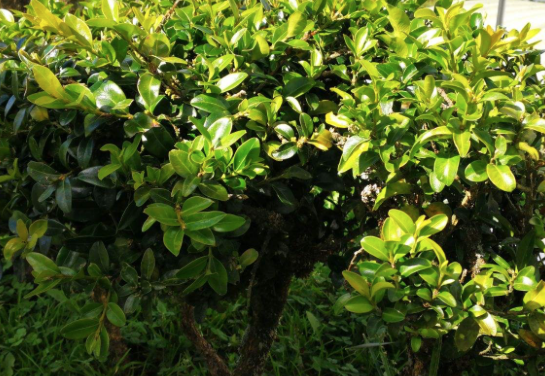
Prepare the planting hole for your evergreen tree
Preparing the planting hole is your first task. Dig the hole as deep as possible so the soil is fully loosened and the roots can easily stretch out. Evergreens usually have shallow roots, so dig at least 2 to 4 times the width of the root ball, and at least one foot deep, a few inches deeper than the root ball.
If you have chosen an evergreen and a soil type that grow well locally, you do not need to amend or enrich the soil. If you dig a nice hole and fill it with beautiful fertile soil, the roots will often find it difficult to transition from the hole to the native soil around it. When a good storm comes, you may be surprised to see a whole clump of fertile soil pulled up from the roots of an evergreen above ground. That said, if your soil is very poor or unsuitable for trees, you may need to do something to amend the soil. Your hole should be much larger to give the roots plenty of space, and use as little amended soil as possible to improve the soil. Evergreens should be well drained, but keep the soil moist. If your soil is sandy, one or two buckets of compost mixed into the soil will help the soil retain moisture. If the soil is heavy clay, a similar amount of shredded leaves or peat moss will help the soil drain. Even evergreens are adaptable, so do not make them too comfortable in a rich hole; just a little improvement can help the tree adjust to your conditions. Definitely do not make the hole so rich that water will not flow out of the hole into the surrounding soil.
Planting evergreens
Once the hole is ready, place the container in the hole and check the depth of the hole. Adjust and gently firm the soil level so that the top of the root ball is flush with the surrounding soil level. Return the soil you dug out to the hole, smoothing and gently firming the soil. Water the soil until it is fully soaked. As the soil settles, you may find that the root ball has lowered slightly. Grasp the base of the trunk and gently pull upward until the root ball is once again flush with the soil surface. Continue watering, filling and adjusting the root ball level until the soil settles evenly. Do not let the root ball sink and have soil fill up over the trunk. If an evergreen is planted too deep, it can cause the tree to die prematurely.
Spread mulch 2 to 4 inches thick, a few inches wider than the widest part of the plant. Do not let the mulch touch the trunk; leave a gap of one inch or two inches around the trunk. The best mulch for evergreens is wood or bark mulch, rough prunings or rough compost. Mulch is very important, helping to keep roots moist, and becomes even more important in winter. If winter drying can be prevented, evergreens will take up water from the soil throughout the winter. Mulch will help the soil retain moisture and help prevent the soil from freezing deeply.
Poor soil drainage, planting too deep and winter drying are the most common causes of damage or death in needled evergreens. They can easily be killed by water standing at their roots. They must be planted in well-drained soil.
In the coldest climates, make sure to plant the root ball at or even slightly below the surrounding soil level and mulch heavily. This will help insulate the roots in winter and help prevent heaving during freeze-thaw. If you plant a little deep, your soil drainage is important.
The stickiest clay soils need a good soil hole to improve soil conditions and improve drainage. In warmer areas with heavy clay, the root ball can be surrounded and planted higher than the surrounding soil level to avoid poor drainage problems.
Caring for newly planted evergreens
Just make sure there is enough water to promote good root development. Slowly soak the evergreen once a week by moving a slow drip hose around the root ball over the course of a few hours. The aim is to soak the root ball as well as a wide area around the planting hole to encourage the roots to move out of the hole.
Newly planted evergreens may experience transplant shock. Leaves may turn yellow and needles may drop. Do not worry about this in the first month or second month; it is a natural reaction as it tries to establish itself. Do not overwater, and do not fertilize, as that will only make things worse. Let the plant adjust to its new conditions in the first season.
Even for mature evergreens, fertilizer is usually not needed. Never mix fertilizer into the planting hole, to prevent root damage. Most conifers do not need fertilizer at all. Evergreens that have become stressed due to winter drought, very poor soil, disease or insect damage may benefit from a light feeding in spring. Some varieties may prefer a light feeding in spring for the first few seasons before planting. Follow the instructions for the individual variety, but usually a light sprinkling of a balanced granular fertilizer in early spring is enough. Fertilizers formulated for evergreens will also improve soil acidity, helping to keep needles green. Follow the fertilizer package instructions carefully when applying.
Winter dieback in cold climates is very common, especially for newly planted evergreens that are not yet mature. You can wrap your young evergreen in burlap or erect a sun/wind screen in the first year or second year to protect it.