-
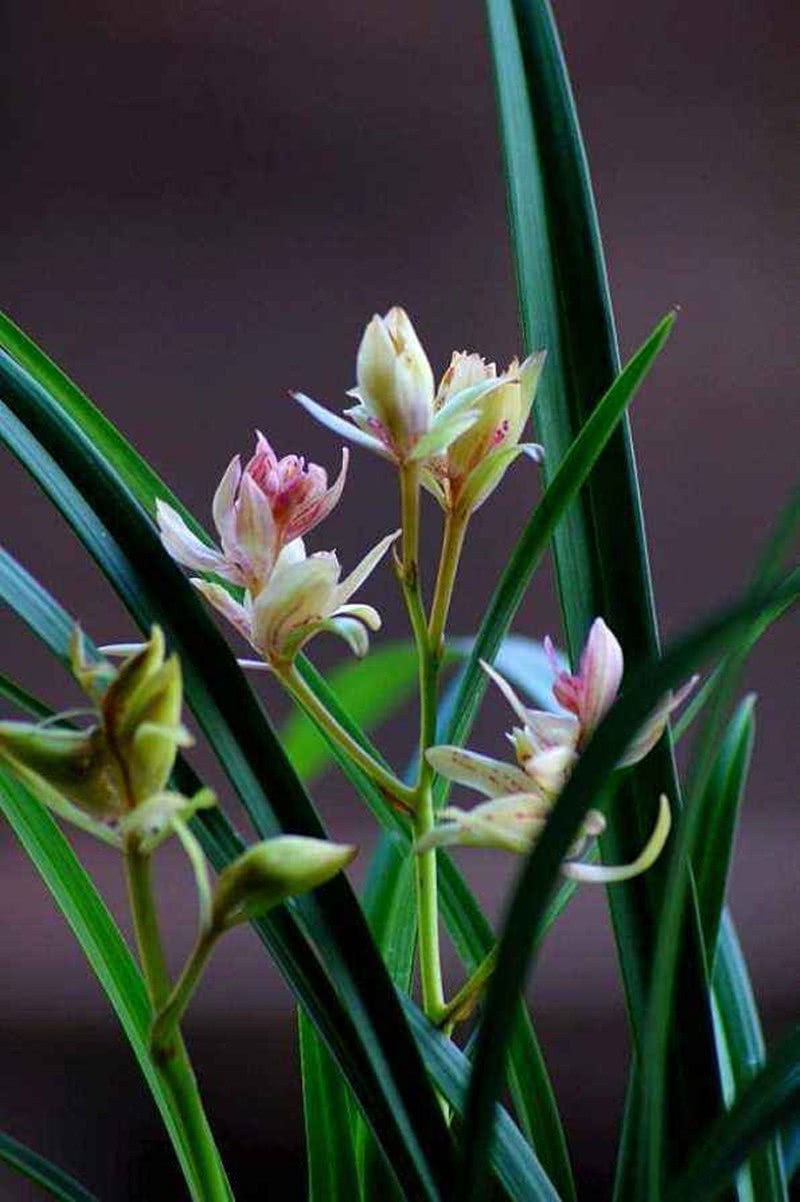
Orchid Watering in Summer Depends on the Growing Medium: An Old-Timer Explains the Charm of "a Ladle of Soup" at Noon
Many orchid beginners feel at a loss once summer arrives. Indeed, watering orchids in summer is a big challenge: water too little, and the orchids grow poorly; water too much, and the roots rot easily. So what should be done? The little gardener knows...
-
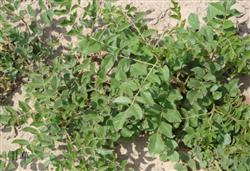
Detailed Guide to Harvest Time and Processing Methods of Licorice
Key technical measures for high-yield cultivation: choose fertile, loose-textured, well-drained sandy loam soil for planting. Treat seeds before sowing to improve germination rate, water during the seedling stage to keep seedlings alive, and apply sufficient phosphorus and potassium fertilizer every early spring. Harvest and processing 1. Harvest: Licorice propagated by seed generally grows for 4...
-
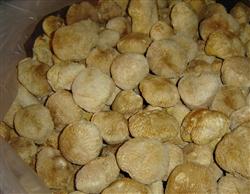
How to harvest lion's mane mushroom? Detailed explanation of harvest time and method
How to harvest lion's mane mushroom? Please advise: lion's mane mushroom generally takes 10-20 days from primordium formation to harvest, and harvesting at the right time gives the highest yield and the best quality. The signs that the lion's mane mushroom fruiting body is mature are: the mushroom body has basically reached full size, is firm, white in color, with fungal spines appearing on the surface, the spines being 0.5-1 cm in length, and no spores have been discharged; at this point...
-
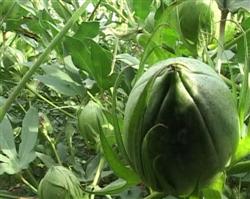
What is the best time to apply boll fertilizer to cotton?
When is the best time to apply boll fertilizer to cotton? Here is an introduction. With boll fertilizer applied to cotton, there is no need to fear excessive vegetative growth. Some farmers worry that after applying boll fertilizer, cotton will undergo "secondary growth," staying green and late-maturing. In fact, this concern is unnecessary. First, because after cotton sets bolls in concentrated fashion, the direction of nutrient transport shifts from the main stem growing point to the fruiting branches that have set bolls; the bolls have the capacity to receive nutrients and will not cause "secondary growth." Second, the flowering and boll-setting stage is the second peak of carbon content in the cotton plant, while nitrogen content declines, soluble sugars increase, the carbon-to-nitrogen ratio is at its highest, and nutrient demand is greatest. The only fear is starving the plants, not excessive growth. Third, the middle and upper parts of the cotton plant have good ventilation and light penetration, and the boll-setting rate there can reach over 50%, more than 10 percentage points higher than the boll-setting rate in the lower part. With sufficient fertilizer, cotton can remain steady without decline.
-
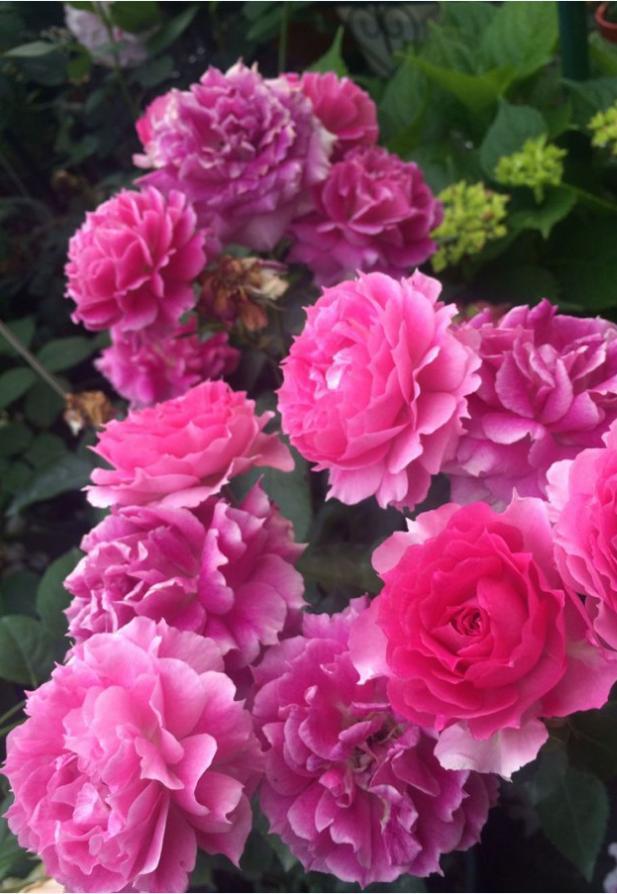
Potted flowers that have won horticultural awards multiple times, more fragrant than perfume, blooming in multiple seasons, easy to grow and beautiful
Introduction: Green potted plants have become essential decorative elements in home life. Keeping some flowers and plants at home brings many benefits - it beautifies the living space and lifts the mood. "Flower Voice Potted Diary · Issue 1146" introduces you to a beautiful and fragrant flower....
-
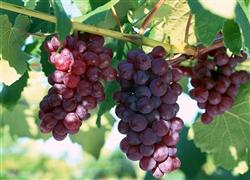
How many times a year does a grapevine fruit? Cultivation and management methods
How can you make a grapevine fruit several times a year? What techniques can achieve this? The technique for getting grapes to fruit multiple times a year falls into two methods: using secondary fruiting from winter buds and using secondary fruiting from summer-bud lateral shoots. Method one: the technique of using winter-bud lateral shoots to achieve two fruiting cycles a year uses forced growth of winter buds on the current year's shoots for a second fruiting...
-
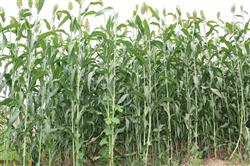
When is the best time to apply topdressing to sorghum?
When is the best time to apply topdressing when growing sorghum? Please give guidance. Sorghum: To meet the nutrient needs of sorghum from the jointing stage to the heading stage, the first topdressing should be applied at the jointing stage, applying 150-225 kg of ammonium nitrate or 120-180 kg of urea per hectare; at the booting flag-leaf stage, a second topdressing should be applied, applying ammonium nitrate per hectare...
-
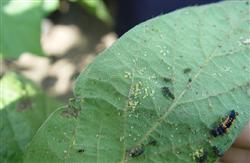
When is the best time to control the soybean pod borer?
When is the best time to control the soybean pod borer? Here is an introduction. The soybean pod borer is a major pest in soybean production. In ordinary years the pod damage rate is 5%-10%, and in severe years it can reach 30%-60%. Damaged beans not only reduce yield but also degrade quality. Mastering the right timing and methods for controlling the soybean pod borer can...
-
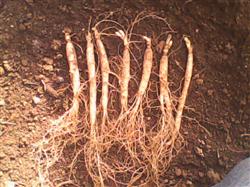
How to harvest ginseng? A detailed guide to harvest time and methods
How is ginseng harvested? Please give an introduction. Ginseng is a perennial herbaceous plant of the Araliaceae family, genus Panax, commonly known as bangchui. The dried root is used as medicine, and the medicinal material is called ginseng. In cultivation it is customarily called garden ginseng, while the wild form is called mountain ginseng. Ginseng is a traditional precious Chinese medicinal herb, with effects such as greatly tonifying vital energy, restoring the pulse and stabilizing collapse, tonifying the spleen and benefiting...
-
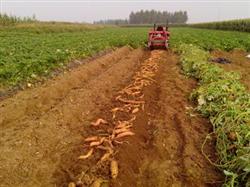
When is the best time to harvest sweet potatoes? Master the optimal harvest period
When is the right time to harvest sweet potatoes? Please give detailed guidance. The sweet potato harvest period can be determined by referring to the following methods for reference: 1. You can harvest based on soil temperature. When the soil temperature is around 18°C, the weight of sweet potatoes increases very little; when the soil temperature is around 15°C, the sweet potatoes stop expanding; when the soil temperature stays below 9°C for a long time, chilling injury will occur...
条件筛选