-
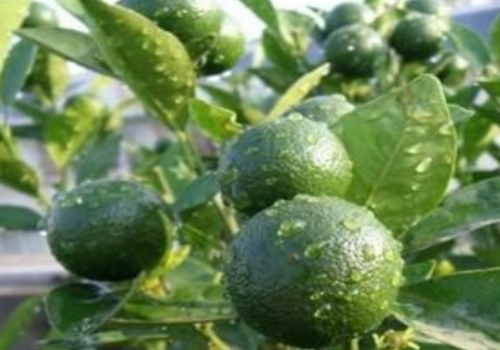
Four-Season Kumquat Planting Methods and Flowering and Fruiting Times
Four-Season Kumquat is a kind of fruit that many people know and are familiar with, so how do you grow this Four-Season Kumquat? How long until it flowers and fruits: How to grow Four-Season Kumquat: Planting methods. The planting of Four-Season Kumquat is very similar to the planting methods of other tree species.
-
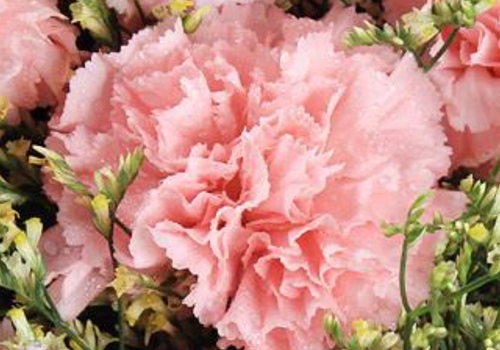
How many times a year does a carnation bloom? A detailed guide to water cultivation
Carnations are very beautiful, and quite a few people grow them. How many times a year can a carnation bloom? How do you grow it in water? How many times a year does a carnation bloom: Carnations are perennial herbaceous plants with rhizomes, one flower per plant, and the flowering period is from April to September. If cultivated in a protected environment, they can bloom in all four seasons
-
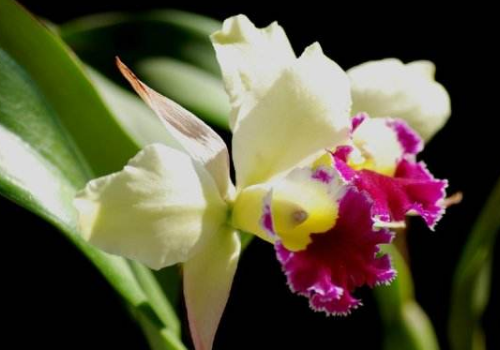
Cattleya Blooming Time and Reasons for Not Blooming Explained
To help Cattleyas grow better, timely pruning is quite necessary. When do Cattleyas bloom? What are the reasons they do not bloom: When do Cattleyas bloom: Cattleyas generally bloom in spring and autumn, flowering 1 to 2 times a year, and the ornamental flowering period is generally 3 to 4 weeks
-
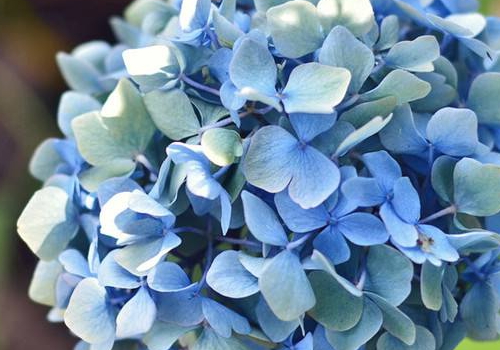
When should hydrangeas be divided, and how many times can they bloom in a year?
Hydrangea, this is also a super beautiful flower, very lovable, so when should hydrangeas be divided? How many times do they bloom in a year: When to divide hydrangeas: The division time for hydrangeas should be before budding in early spring. Separate the rooted branches from the mother plant, plant them directly in pots, do not water too much
-
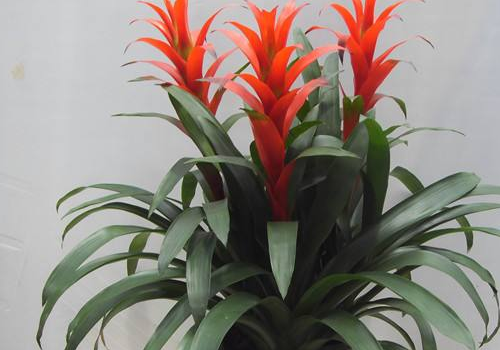
The Best Time and Method for Dividing a Bromeliad (Guzmania)
The bromeliad (Guzmania), this is a type of plant that a huge number of people love, so when should the bromeliad be divided? And what is the method: When to divide the bromeliad: The time to divide the bromeliad is suitable for April each year, and only when the offset has 6 or more leaves is it suitable for division
-

Timely Early Sowing Measures and High-Yield Cultivation Techniques for Summer Sesame
The main sesame-producing areas in China mostly practice summer sowing, and for a long time yields have been low and unstable. This is certainly related to frequent disasters, but the more important reason is late sowing, a short growth period for sesame, and inadequate and irrational use of climatic resources. To solve this problem, in recent years we have carried out careful research on how to sow summer sesame earlier and on supporting cultivation techniques, and have preliminarily summarized a set of high-yield cultivation techniques. 1 Analysis of the reasons for increased yield from early sowing of sesame 1.1 Full use of climatic resources The main sesame-producing areas in China, including Henan
-
Chemical weed control in summer sesame fields should be carried out at the right time
The seedling stage of summer sesame coincides with the hot, rainy season. The roots are few and the growth is weak, while weeds emerge quickly, are dense, and grow vigorously, easily shading the sesame seedlings and causing a weed infestation. Corresponding herbicides should be selected for chemical control at different stages. 1. Soil closure treatment after sowing but before emergence. After sowing sesame, use 100 ml of 50% acetochlor emulsifiable concentrate or 200 ml of Dual (72% metolachlor emulsifiable concentrate) per mu, add 50 kg of water, and spray evenly. This can control foxtail grass, crabgrass, shortawn foxtail, goosegrass, and many other annual grass weeds, and also has a certain control effect on many broadleaf weeds propagated by small seeds.
-
When is the most suitable time to plant straw mushrooms in northern regions?
Because straw mushrooms are a high-temperature strain, the suitable season for cultivating them is when the daily average temperature is stable above 25°C or the minimum temperature is above 23°C. In northern regions, June to September each year is the best season for planting straw mushrooms. Spawn preparation can be scheduled between May and June. In recent years, northern regions have broadened the suitable cultivation period by using winter-warm greenhouses.
-
Detailed Guide to Straw Mushroom Sowing: Key Points on Sowing Time and Methods
1. Sowing period. When using a sun-heated bed for cultivation, the bed should be prepared in advance and covered with plastic film in May. The specific sowing period should be determined by the bed temperature, which should generally reach a stable 22°C or above. Sowing cannot be done if this is not reached. In central and southern North China, sowing is generally done in late May or early June. 2. Sowing rate. Generally, each square meter of sun-heated bed can take 15-20 kg of rice straw or 15-25 kg of cottonseed hulls, with the spawn amount being 6-8% of the weight of the cultivation substrate, that is, 1.2-1.5 kg of spawn per square meter. For first-time cultivation, the spawn amount should be appropriately increased
-
Late autumn is exactly the right time to plant tulips, so don't miss this good window.
Right now is the season for planting tulips. The method is to pot up large bulbs that will bloom the following year, and simply cover them with soil to hold the bulbs in place. Base fertilizer can be mixed into the soil and filled in; there is no need to firm it down. Let the tops of the bulbs be slightly exposed above the soil surface. After watering thoroughly, bury the pot together with the soil. Cover with about 20cm of soil on top. Around early December, dig the pot out, remove the soil on top, and place the pot in a room on the shady side at a room temperature of about 5 degrees C; if the room temperature is too high, nutrient deficiency will occur. Spray water on the leaves to raise air humidity. When buds appear, place it in sunlight at noon; at this
条件筛选