-

Three hydroponic plants that are easy to grow and full of style: the pros and cons explained in one go
Lots of friends ask me which hydroponic plants are best to choose - no need to dig in soil or fertilize, and just watching the roots drift in the water is so soothing. Today I've picked 3 beginner-friendly ones - umbrella papyrus, pennywort, and taro - and I'll lay out their pros and cons clearly, so after reading you'll know which one to choose! Umbrella papyrus: this one also has a lovely name
-

Shade-tolerant and they still bloom all year? These three potted plants are effortless to care for
Many flower lovers have only average light at home and always say, "I want to grow flowers but get no sun, so I can only keep pothos"? Actually, some plants are naturally shade-tolerant and can bloom all year round, and they thrive even in a living room or on a north-facing balcony. Anthurium: it is a "shade-tolerant blooming little expert." Its red spathes look like little candles, so glossy they seem fake! The "little stick" in the middle is the real flower spike. It can stay in bloom for three or four months without fading.
-

Do scale insects on Phalaenopsis orchids chew the leaves? Three of the simplest ways to get rid of them
In recent years, Phalaenopsis orchids have taken the world by storm, and many households keep 1 or 2 pots to join in the trend. But buying them is easy, while growing them easily brings all kinds of problems, and the problems are new every day. For beginners, the result is usually growing the Phalaenopsis to death. When beginners grow flowers, they really must grasp the key points, and what they should learn most
-

How to choose potting medium for Phalaenopsis in the South? Choose these three and avoid detours
For flower lovers in the South growing Phalaenopsis, the biggest headache is not watering or fertilizing, but choosing the wrong potting medium - after all, it rains at the drop of a hat in the South, and the air is so humid you could wring water out of it, so the wrong medium means root rot in no time. When growing Phalaenopsis in the South, the core of choosing a potting medium comes down to two words: airy! well-draining! Anything that holds too much water or tends to compact should be pushed aside!
-

Pros and Cons of Domestic vs. Chilean Sphagnum Moss for Phalaenopsis and the Three Most Expensive Varieties
As we all know, Phalaenopsis is elegant in form, and once in bloom it looks like dancing butterflies, leaving a lasting impression. This unique orchid is actually different from ordinary flowers, especially when it comes to potting medium, which needs high air permeability and water retention. If you mistakenly use ordinary garden soil, you may easily kill it. New phalaenopsis growers
-
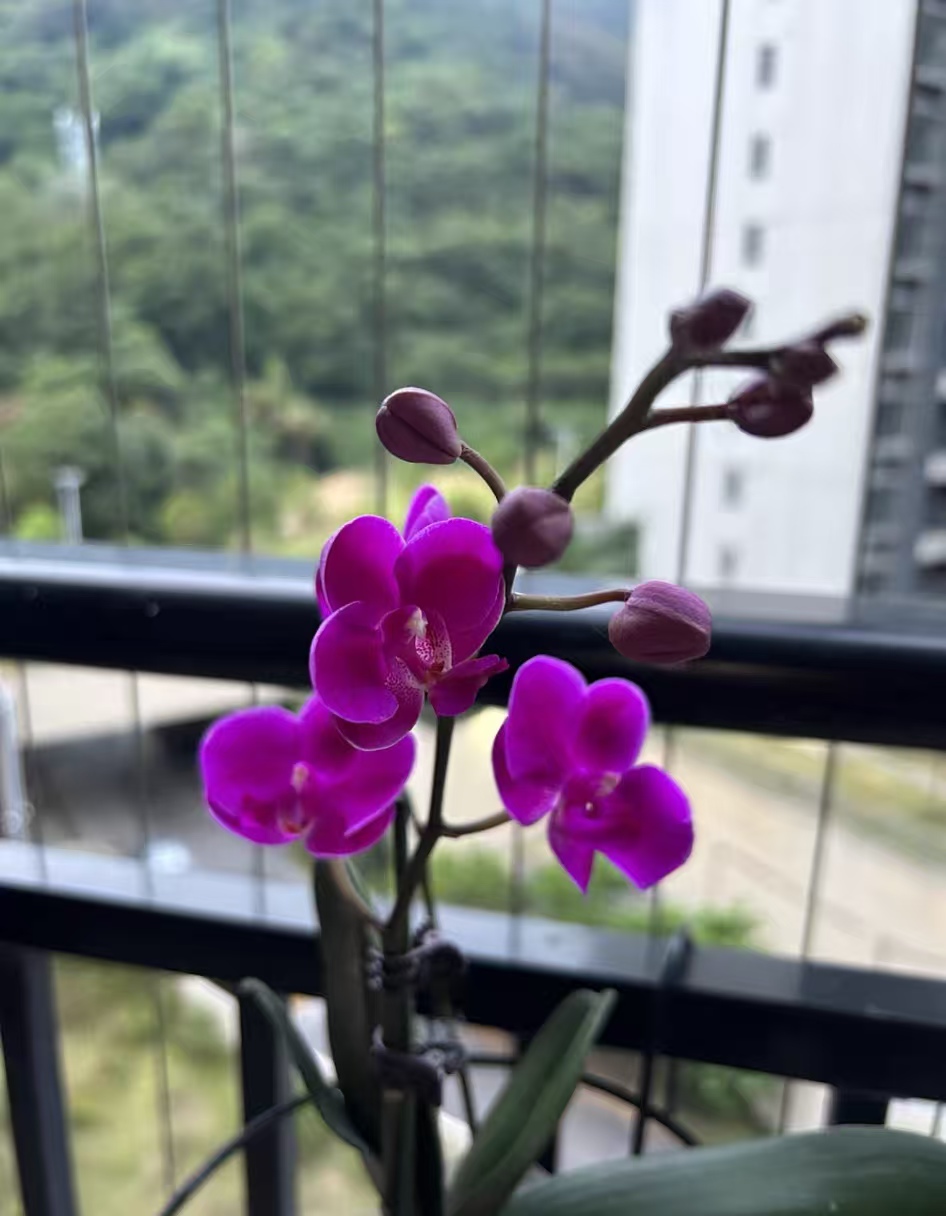
The three simplest steps to acclimate a Phalaenopsis orchid, do this when you just bring it home
During the student holiday season, many parents take their children to flower markets to buy potted plants to care for at home, and the "Phalaenopsis orchid," hailed as the fairy among flowers, is often the first one children point to and ask to keep, because its appearance is unique, just like butterflies dancing. So how do you acclimate a newly bought Phalaenopsis orchid? What should you do to help it smoothly
-
The simplest three-step treatment for yellow leaves and root rot in Phalaenopsis orchids: what to do when the medium is too wet?
On the large screen at the flower market, there are monthly potted flower statistics, and from these it is clear that the monthly sales of "Phalaenopsis" are overall higher than other green plants. The reason it sells so well lies mostly in its unique flower shape: once it blooms it looks like butterflies dancing, especially lively. Under the overall orchid sales data, many flower growers have derived
-
How to use dried Phalaenopsis flowers: the three simplest steps to make them look great without spending a penny
There is a flower whose appearance closely resembles a dancing butterfly, with blossoms in a wide range of colors, and some petals even bearing unique patterns. Surely everyone has guessed that this is the "Phalaenopsis" (moth orchid). It originates from tropical rainforests and uses its beauty to attract insects to continue its lineage, so this "looks-obsessed" plant is very well suited to the C-position spot in the living room. Because during festivals, relatives and friends come over to visit, and it also makes the home feel especially stylish.
-

What are the three simplest steps to take a Phalaenopsis out of its pot and let the sphagnum moss dry when it is too wet?
Surely in the minds of many flower lovers, the beauty of the Phalaenopsis is beyond question, but when it comes to care, quite a few people are deterred, because too many examples of failure are right before their eyes. For example, what should you do if the Phalaenopsis has just been watered and then runs into 3 to 4 consecutive days of rainy season? Or if too much water is accidentally poured and the soil is still wet after a whole week of no watering,
-

How to grow potted Phalaenopsis orchids? The simplest three steps to grow thick, sturdy plants
In the flower market where a hundred flowers bloom, the Phalaenopsis orchid can be considered the king of sales, mostly because they come in diverse varieties and brilliant colors, and their flower shapes look like butterflies dancing in the wind, intoxicating anyone who sees them. So, for this dream flower that so many people long for, how should you grow it well? To grow Phalaenopsis well, of course you first need to
条件筛选