-

Who are green citizens? Interpreting their actions and material civilization
[Cooperative Green Academy] 6/7 Homemakers and youth on the anti-nuclear path
-

After the merger of county and city, how can rural towns revitalize and regain their local vitality?
Regaining local vitality - after the merger of county and city, what is the way to revitalize rural towns??
-
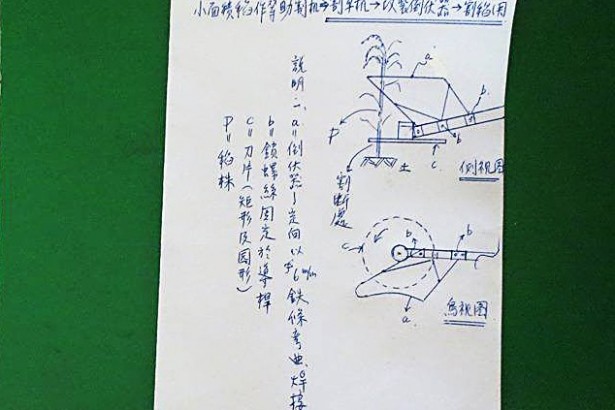
To avoid a shortage of rice harvesters, smallholder farmers build their own mini rice harvesters
To avoid a shortage of rice harvesters, smallholder farmers build their own mini rice harvesters
-
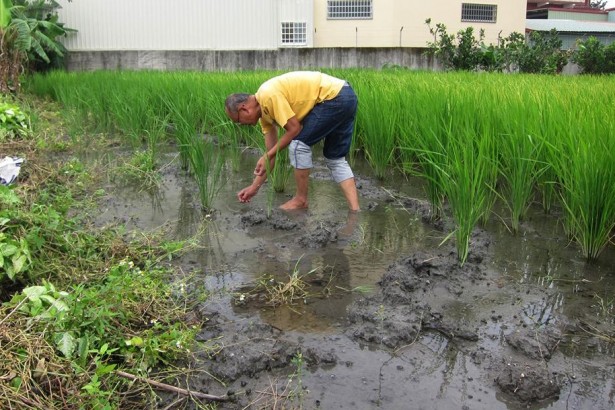
Golden apple snails treat Wang Junzhi's rice paddy as their canteen
Wang Junzhi's rice paddy gives golden apple snails a meal to get by
-
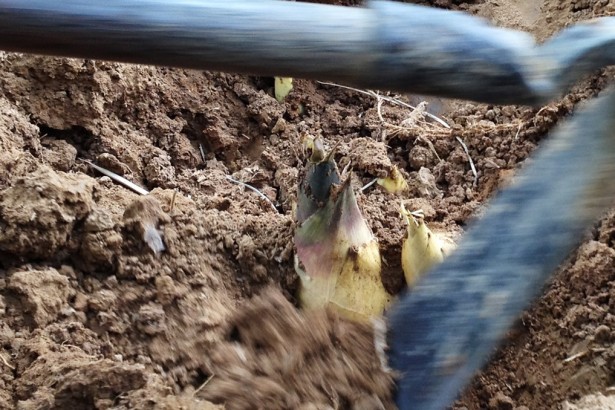
The Benefits and Effects of Green Bamboo Shoots, Market Prices, and an Introduction to Their Producing Areas
[Grain in Ear Seasonal Good Food]Green Bamboo Shoots
-
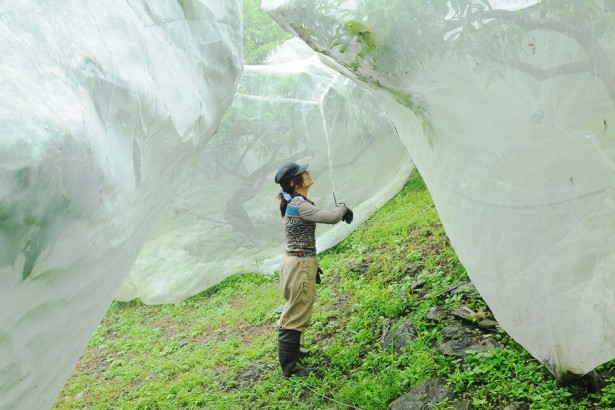
Monkey-proof netting for honey peaches proves effective; farmers reap their harvest smoothly
Monkey-proof netting works; honey peach farmers reap their harvest smoothly
-

Common Pests and Diseases of Ming Fern and Their Control Methods
Pest Control During the growth of Ming Fern, hot and dry seasons are encountered, and at this time the main pests are predominantly red spider mites and scale insects, which must be controlled by spraying pesticides. For whiteflies and scale insects, omethoate emulsifiable concentrate can be used in the appropriate ratio to eliminate the pests. Pest control requires emphasis on prevention.
-
A Detailed Guide to Sowing Geraniums and Their Germination Time
Geraniums can be sown in either spring or autumn, but indoor pot sowing in spring is best. The ideal germination temperature is 20-25°C. The seeds are not large, so do not cover them with too deep a layer of soil after sowing. They germinate in about 14-21 days. When sown in autumn, they can bloom in the summer of the following year. The above covers the sowing and germination time of geraniums.
-
Common Diseases of Fatsia japonica and Their Control Methods
Chlorosis. Chlorosis is a common disease of Fatsia japonica. When chlorosis occurs, the leaves lose their green color and turn yellow. There are many causes of chlorosis in Fatsia japonica; it may be iron-deficiency yellowing or other causes. Generally, during cultivation, management should be strengthened and fertilization should be rational, which can treat chlorosis.
-
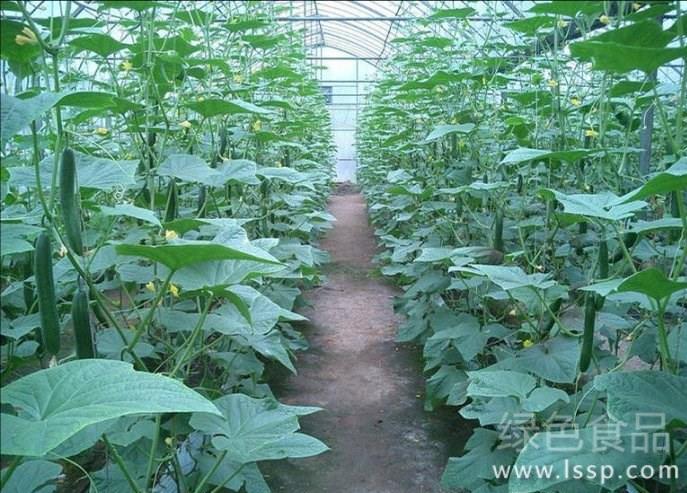
Reasons Why Spring Greenhouse Cucumbers Do Not Set Fruit and Their Control Methods
Reasons Why Spring Greenhouse Cucumbers Do Not Set Fruit and Their Control Methods
条件筛选