-
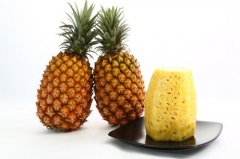
Is Taiwan Golden Diamond Pineapple Delicious? Taste Description, Price and Picture Details
Do you know the Golden Diamond pineapple, this pineapple variety? This is a pineapple variety developed in Taiwan, China. The name Golden Diamond pineapple is well chosen, like gold and also like a diamond, good-looking and delicious. So how are the sales of this pineapple variety? Let's take a look together. Warm-winter Golden Diamond pineapple
-
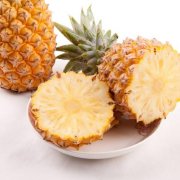
When is the Taiwan Golden Diamond pineapple (Jinzuan) ripe and how sweet is it? With pictures
Golden Diamond pineapple is also called Spring Honey pineapple, and this variety of pineapple is very delicious. Because its sweetness, flavor and texture are especially good, it is quite favored by consumers in the market. The best quality period is March to May and October to November. Let's take a look below. Golden Diamond pine
-
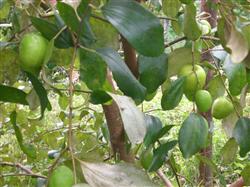
Cultivation Techniques and Management Key Points for Taiwan Green Jujube
Taiwan green jujube was developed from the Indian jujube through years of improvement and selection. Its fruit is large (typically weighing 60-100 grams), with a small pit, crisp flesh, sweet taste, and high nutritional value; moreover, it bears fruit in the same year it is planted, and can enter the full production period in the second year. Taiwan green jujube is a vigorous grower with strong adaptability to temperature, able to withstand high temperatures of 35 degrees and lows of -10...
-

Detailed Explanation of Key Cultivation Techniques for Taiwan Honey Jujube
I. Selection of the Orchard Site Taiwan Honey Jujube has low soil requirements and can grow in acidic soil or soil with slightly higher salinity, but it is best planted in flat land or gentle slopes with a pH value of 5.5-6.5, sufficient water sources, and good drainage. When planted on mountain land, each plant can yield 7.5-10 kg of jujubes in the first year; when planted in rice fields or relatively fertile flat land, each plant can yield more than 30 kg. II. Seedling Selection Select grafted seedlings that are free of pests and diseases and free of mechanical damage. Standard seedlings should be of pure variety, with a moderately positioned graft union, well-healed graft union
-
Detailed Explanation of Key Points of Carambola Cultivation Techniques in Taiwan, China
In recent years, Taiwan, China has developed excellent varieties through mutations in seedling carambola trees. Combined with improvements in cultivation techniques, the carambola cultivation area has increased year by year, making it an emerging fruit tree. The carambola harvest period is long, and it can be harvested about 3 times a year, with high yields. Because it is nutritious, the emerging carambola sells well in Taiwan, China, and processing and utilization such as canning, jam, candied fruit, and winemaking are also relatively common. Carambola development has considerable potential. The yield level and the quality and flavor of carambola, in addition to being related to the variety, are greatly affected by cultivation management techniques.
-
Key Cultivation and Management Techniques for Taiwan Sweet Peach
Taiwan Sweet Peach, also known as Red Peach, is a deciduous fruit tree belonging to the medium-to-small fruit category. Under natural growth without fruit thinning, the average single fruit weight is about 100 grams; with artificial fruit thinning and cultivation management, the fruit weight can increase to 150 grams, and the maximum fruit weight can reach 250 grams. The fruit ripening period in trial plantings in Fogang, Heyuan and other places in Guangdong Province is mid-to-late May. When ripe, the fruit is bright red, firm, crisp, refreshingly sweet, good in flavor, and storage-resistant; the flesh does not separate completely from the pit. Planted in the current year, the per-plant fruit yield can reach
-
Detailed Explanation of Key Cultivation and Management Techniques for Taiwan Sweet Peach
Taiwan Sweet Peach, also known as Red Peach, is a deciduous fruit tree belonging to the small-to-medium fruit category. Without fruit thinning, the single fruit weight at cultivation is around 100 grams; with artificial fruit thinning, the single fruit weight can increase to 150 grams, and the maximum fruit weight can reach 250 grams. In trial plantings in Fogang, Heyuan and other areas of our province, the fruit ripening period falls in mid-to-late May. When ripe, the fruit is bright red, crisp, refreshingly sweet, and excellent in flavor; it is firm, stores well, and the flesh does not separate completely from the pit. Planted in the current year, the per-plant yield can reach over 3 kg the following year, making it a
-
When to plant Taiwan Indian jujube? A detailed guide to cultivation methods
1 Timing It is usually planted from February to March (in frost-free areas of the south, planting can be advanced to December to February), with a high survival rate and good growth, and it can flower and bear fruit in the same year. After the fruit is harvested the following year, superior varieties are grafted again between February and March. 2 Density Moderate close planting can follow (1) 3m x 4m, 55 plants per 666.7 sq m; (2) 3m x 5m, 44 plants per 666.7 sq m; after 3 years it can be changed to the two methods of 6m x 4m and 6m x 5m. 3 Carry out mixed planting or interplanting Because
-
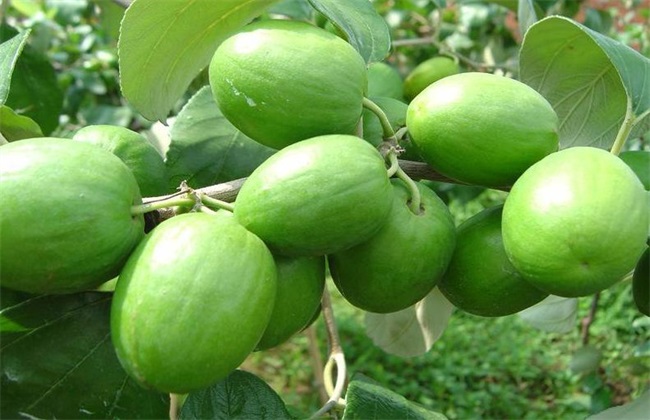
Detailed Explanation of the Key Cultivation Techniques for Taiwan Green Jujube
Cultivation Techniques for Taiwan Green Jujube
条件筛选