-

How to Grow Syngonium podophyllum? Detailed Guide to Growing Methods and Growing Value
Syngonium podophyllum is also called purple-stem taro, arrow-leaf taro, long-stalked Syngonium, and so on. It is native to tropical regions and is an easy-to-grow indoor green plant that is deeply loved by flower enthusiasts. Today, the editor will introduce to you the growing methods and growing value of Syngonium podophyllum. 1.
-
Can Syngonium Be Placed in the Bedroom? A Full Analysis of the Benefits of Growing It Indoors
As a common foliage plant, Syngonium is beautiful and varied in form. So can Syngonium be placed in the bedroom? What toxicity does Syngonium have? What are the benefits of growing Syngonium indoors? What precautions should be taken when growing Syngonium? Let's find out together!
-
Can Syngonium podophyllum be kept in the bedroom?
Syngonium podophyllum is a perennial herbaceous plant native to tropical America. Because it is easy to propagate, not troublesome to care for after planting, shade-tolerant and somewhat decorative, it is widely cultivated around the world. In China it is mainly grown in the southern regions
-
How to Grow Syngonium podosum? A Detailed Guide to the Latest Cultivation Methods
Syngonium podosum is also known as purple-stem taro, cut-leaf taro, silk vine, white butterfly, and so on. It is a perennial evergreen herbaceous plant of the Araceae family, native to tropical America. Because it is easy to propagate, simple to cultivate, especially shade-tolerant, and has excellent decorative effect, it is now widely grown around the world as a foliage plant
-
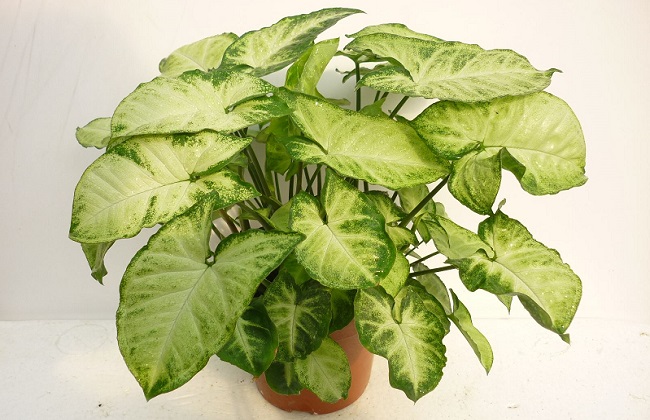
Can Syngonium Be Put in the Bedroom? Is It Harmful? Explained Once and for All
Can Syngonium Be Put in the Bedroom? Is Syngonium Harmful in the Bedroom?
-
-

-
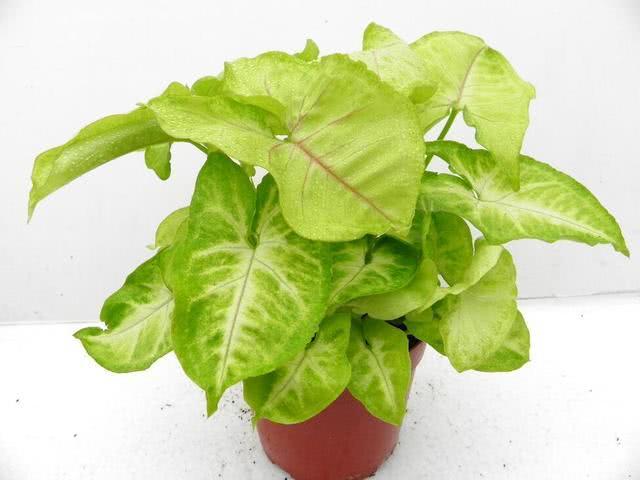
Growing Syngonium as a bonsai is very simple, just pay attention to these 4 points, and the leaves will be emerald green and well-formed
Syngonium is often also called purple-stem taro; its leaf color is extremely pleasing to the eye, shaped like an arrow or an oblate circle, and the leaf surface is often accompanied by light-colored cracks. The young leaves of the whole plant are lighter in color, while the old leaves are darker, so its appearance is...
-
What to Do When Syngonium Leaves Turn Yellow? Causes and Solutions
During the growing season, apply a nitrogen-based fertilizer once every half month to promote the growth of branches and leaves. For varieties with colorful markings on the leaves, attention should be paid to the combination of phosphorus and potassium fertilizers, which can make the leaf color bright and vivid. Applying too much nitrogen fertilizer or applying only nitrogen fertilizer will cause the beautiful colors to fade and turn green, thereby reducing their ornamental value. In winter, stop fertilizing.
-
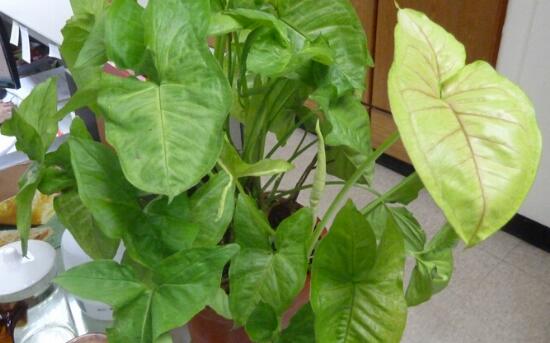
What to Do When Syngonium Leaves Turn Yellow? Pay Attention to 5 Points, Improper Water and Fertilizer Are Key
Gardeners should be familiar with Syngonium. Its leaves are emerald green, with distinct white veins on them, like a dancing butterfly, looking extremely lovely. However, during cultivation, many gardeners cause Syngonium leaves to turn yellow due to improper care, which seriously affects its ornamental value
条件筛选