-

How to Grow Swiss Chard? A Detailed Guide to Planting Methods and Growing Conditions
Swiss chard is very easy to grow, which makes it an ideal choice for beginner gardeners who are looking for a crop that requires no effort at all. Chard has wide, thick stems that come in a variety of colors: bright white, pale yellow, and even lipstick pink!
-

A Detailed Guide to the Planting Methods and Timing of Swiss Chard
Summary Crop rotation and soil preparation: Continuous cropping is not suitable; a crop rotation system should be used, with soybean, corn, and wheat as the best preceding crops. Apply 2000 kg of decomposed barnyard manure and 20 kg of diammonium phosphate per mu. Planting time: Plant in early to mid-April, either by direct sowing or by raising seedlings and transplanting.
-
High-yield cultivation techniques for Swiss chard: when to plant Swiss chard
Abstract Sowing: soak the seeds in water for about 2 hours before sowing; this helps the seeds sprout, especially in the hot autumn. Density: row spacing and plant spacing of about 25 cm. Fertilizing: use decomposed organic fertilizer; after harvesting, irrigate together with a quick-acting
-
How to Grow the Formaldehyde-Absorbing Swiss Cheese Plant So Its Leaves Split: Care Methods and Precautions
The name Swiss cheese plant (Monstera deliciosa) may be unfamiliar to friends who do not grow greenery; it is very popular in tropical regions and is generally cultivated in greenhouses. The Swiss cheese plant is also known as Penglai banana, iron wire orchid, and so on. As a plant of the Araceae family, it has its own unique charm.
-
Does the Swiss cheese plant bloom? The latest answer is here
The Swiss cheese plant (Monstera deliciosa) is a sun-loving plant native to Mexico, originally growing in the tropical rainforests of Mexico, evergreen year-round, and often kept as a large potted foliage plant. There is even a folk saying that "the Swiss cheese plant blooming is harder to see than the sago palm," but is that really true? Below we will
-
How to Grow and Care for Monstera obliqua
Monstera obliqua is also called the Swiss cheese vine (Monstera obliqua). Its leaf edges are entire, but the middle of the leaf has holes of varying sizes, giving it high ornamental value. So how do you grow Monstera obliqua? 1. Soil. Monstera obliqua likes to grow in loose, fertile and well-drained
-
Where can I buy Swiss chard seeds? What are the seedling-raising methods?
In everyday life, there are quite a lot of varieties of vegetables. I wonder if you like eating Swiss chard? It is a very common type of leafy vegetable. In some places it is called thick-skinned chard, and most farmer friends grow it. So where are Swiss chard seeds generally sold? What are the seedling-raising methods?
-
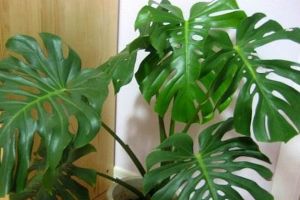
What is the flower language and symbolism of the Swiss cheese plant?
The Swiss cheese plant (Monstera deliciosa) is a southern vegetation; it frequently appears by garden ponds and in hotel lobbies. Its leaves are very peculiar in shape, with many splits on the leaf surface, looking much like a turtle's shell from a distance, while its stem grows like bamboo, hence its name. By associating the extended meaning of its name, one can understand that its flower language is related to health and connected to longevity! So today let us dig deeper into its flower language: health and longevity!
-
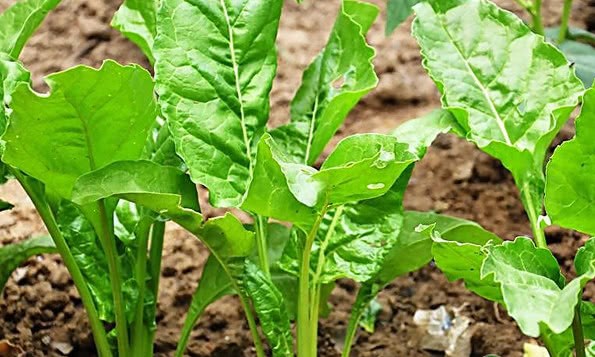
What Vegetable Is Swiss Chard? Detailed Guide to Cultivation Management and Harvesting Techniques
Swiss chard has many uses: it can be used for livestock feed, for human consumption, and more. It has the effects of clearing heat and detoxifying, promoting blood circulation, and stopping bleeding. So what exactly is Swiss chard? How do you grow it? Let me tell you about Swiss chard cultivation and management...
-
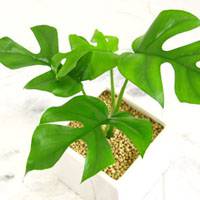
What is the flower produced by the Swiss cheese plant called?
The Swiss cheese plant has a graceful form, unusually shaped leaves, and deep green, glossy foliage, giving the whole plant a fine ornamental effect. It also has the trait of absorbing harmful gases such as formaldehyde and benzene, achieving the effect of purifying indoor air, making it an ideal indoor plant.
条件筛选