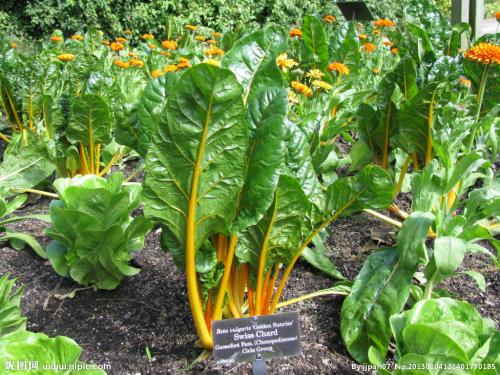
How to Grow Swiss Chard? A Detailed Guide to Planting Methods and Growing Conditions
Swiss chard is very easy to grow, which makes it an ideal choice for beginner gardeners who are looking for a crop that requires no effort at all. Chard has wide, thick stems that come in a variety of colors: bright white, pale yellow, and even lipstick pink!
The Best Growing Conditions for Chard
Chard prefers a sunny, open position. Plant it in moist and fertile soil. The plants can occupy the same spot for several months, so make sure you can commit a suitable space to them over a longer period; don't worry, it is absolutely worth doing so!
A week before sowing, scatter a general-purpose organic fertilizer, then rake the soil to a fine tilth.
How to Sow Chard
You can sow your seeds at any time from spring to late summer, as a quick late-season crop can often be squeezed in.
Mark out the seedbed with a trowel. Make drills about 1 inch (2 cm) deep, and leave 16 inches (40 cm) between rows. If the ground is very dry, water along the drills before sowing to cool and moisten the soil.
The large, corky seeds can be sown one after another. Space them so they are about 1-2 inches (2-5 cm) apart. Cover them with soil, pat gently, then water along the rows to further settle the soil and water the seeds for germination.
Once the seedlings appear, you will most likely need to thin them out, because each knobbly seed actually contains several seeds that may all sprout. Thin them in stages until the plants are one foot (30 cm) apart.
An alternative to sowing directly into the ground is to start the seedlings in pots for planting out later. This is especially useful for succession planting, when your chard may need to start in a plot and wait its turn for another crop to finish.
Once the previous crop has been cleared, simply plant the sturdy young seedlings at the same final spacing as for direct-sown seeds. This method also helps prevent slugs from destroying the seedlings.
In hot, dry weather, keep the ground weed-free and watered. Using a hoe to destroy weeds as they appear will make this job a breeze. Regular watering will promote plenty of fresh, leafy growth and is essential in dry weather to prevent the plants from running to seed or “bolting”. If they reach this stage, they should be dug out and added to the compost heap, because they will stop producing tender leaves.