Be cautious when feeding silage to dairy cows in spring: master these feeding key points
Sealing crop straw in an oxygen-free environment, combined with the fermentation action of lactic acid bacteria, produces silage. If silage is taken out and fed improperly, it can very easily cause poisoning incidents in livestock. Therefore, the editor suggests that cattle farmers pay attention to the following 4 aspects when feeding silage to dairy cows:
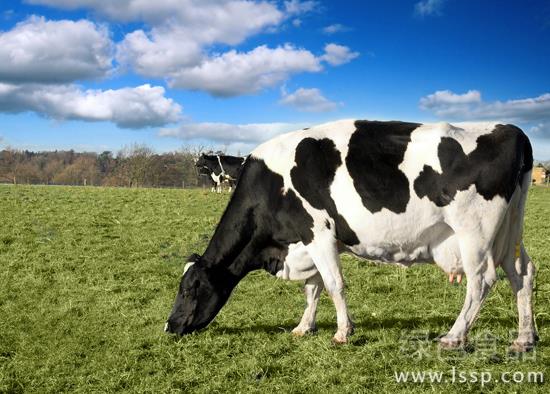
Dairy cow
1. Ensure feed quality.High-quality silage is green or yellowish-brown in color, has a wine-like aroma, and is soft and moist in texture, with leaf veins and hairs on the stems and leaves clearly visible. Poor-quality silage that sticks together in clumps indicates too much moisture; some that is loose, dry, and hard indicates too little moisture. Be sure to use high-quality silage. Silage that is black or dark brown, smells sour with a hint of stench, or is even moldy, rotten, or spoiled should be thrown away immediately and must never be fed to dairy cows. If dairy cows are fed spoiled silage, it can very easily cause miscarriage.
2. Take feed out scientifically.Silage must always be taken out starting from one end of the silage pit, removed layer by layer from top to bottom at a certain thickness, to prevent soil from mixing in. Never dig holes into the silage pit to pull out feed. Each time, decide the amount to take based on one day's feeding amount. In early spring, there is still slight freezing, so after the silage is taken out, the pit opening must be sealed immediately to prevent the silage from spoiling due to cold weather and long-term exposure to air.
3. Control the feeding amount.At first, some dairy cows may not be used to the sour taste of silage, so the principle of going from less to more and proceeding gradually should be followed. Dry hay can be placed on the upper layer and silage on the lower layer and fed when the dairy cows are empty, so they gradually adapt. Under normal circumstances, weaned calves can already be fed silage. The daily feeding amount of silage for adult dairy cows should be controlled at 20-25 kg, and the feeding weight range for weaned calves is 5-15 kg.
4. Pay attention to scientific matching.Silage feeding must be scientifically matched with concentrate according to the actual needs of dairy cows, so as to improve the cows' feed absorption rate. In the north, the feeding ratio of concentrate to silage (including moisture) in dairy cow feed is more reasonable within the range of 1:3-1:3.5. You can add 5%-10% baking soda to dairy cow feed or treat the silage with 1%-2% lime water to address the problem of relatively high acidity, then feed it after rinsing, so as to reduce acidity, improve palatability, and promote digestion and absorption.