-

Six key technical points for spring tea management
Weeding and loosening the soil: After 4-5 months of rain and snow, the tea garden soil has become compacted, and some weeds have already grown. At this time, the soil temperature is relatively low. Therefore, weeding and loosening the soil before the spring tea harvest helps to loosen the soil, raise the soil temperature, eliminate weeds, and reduce the consumption of water and nutrients, which promotes earlier sprouting of spring tea. Weeding and loosening the soil is generally carried out from the end of February to early March, with a depth of 10-15 cm. Applying bud-promoting fertilizer: The bud-promoting fertilizer should be applied early rather than late, with a trench opened 15-20 cm from the tea plant roots
-
How to remedy famous premium spring tea after frost damage in time
Hunan Province has 1.2 million mu of tea gardens, mainly planted with varieties such as Baihaozao, Zhuyeqi and Bixiangzao, and the plants usually freeze to death only when temperatures exceed -10°C. However, due to this large-scale rain and snow and low-temperature freezing, overwintering of tea gardens has been affected to varying degrees, and tea gardens in mountainous areas in particular have suffered relatively severe freezing disasters. Overall, the branches and leaves of the tea plants have frozen, and the plants have been affected, which will affect the picking period of famous premium tea in early spring and reduce the yield and quality of spring tea. Relevant tea farmers should take corresponding measures according to local frost damage conditions.
-
Current key technical points for spring tea production management
Early picking and early marketing of spring tea, thereby increasing spring tea yield and output value, is the key to improving tea industry efficiency and increasing tea farmers' income. Combined with the actual tea production situation in Fuyang City, before spring tea picking, the main tasks are tea garden fertilization, tea tree pruning, freeze damage prevention, and tea factory and tea machine maintenance. 1. Shallow tillage and fertilization. Through shallow tillage, the soil can be loosened, the soil temperature raised, and early sprouting of spring tea promoted. Shallow tillage is generally carried out from late February to early March. When shallow tilling, combine with applying spring tea bud-promoting fertilizer. For tea gardens where base fertilizer was not applied in the previous autumn and winter, apply the spring tea bud-promoting fertilizer and base fertilizer at the same time. The amount of fertilizer applied depends on tea yield.
-
How to Tell Spring, Summer and Autumn Tea Apart? This Article Teaches You to Distinguish Them with Ease
In winter, the main growing part of the tea plant is the root, and amino acids are synthesized in the root of the tea plant and then transported to the tips. After winter dormancy, the tea plant has stored many nutrients internally; in winter and spring, sunlight is weak and the tea plant grows slowly, which is a main factor in the formation of certain aroma substances in tea. Therefore, spring tea has the advantages of a lustrous and oily color, a rich and fragrant aroma, a thick taste with a sweet aftertaste, and a soft and thick leaf base. In addition, spring tea is generally rather plump, stout and heavy, with more downy hairs, fine and dense leaf veins, and inconspicuous serrations along the leaf margin. In summer, temper
-
How are spring tea, summer tea and autumn tea divided?
The division of spring tea, summer tea and autumn tea is mainly determined by the seasonal changes and the intervals of new shoot growth of the tea plant. Under the climatic conditions of our country, except for a few areas in the South China tea region, in the vast majority of tea-producing areas, the growth of tea plants and the picking and processing of tea leaves are seasonal: in the Jiangbei tea region, the tea picking and processing period runs from early May to late September; in the Jiangnan tea region, from late March to mid-October; and in the Southwest tea region, from late January to early December. Tea regions that belong to the subtropical and temperate zones, including the Jiangbei tea region, the Jiangnan tea region and the Xiyie tea region, are usually divided by picking and processing time into the three seasonal teas: spring, summer and autumn. But the standards for dividing seasonal teas are not consistent. Some divide by solar terms: from Qingming to Xiaoman is spring tea, from Xiaoman to Xiaoshu is summer tea, and from Xiaoshu to Hanlu is autumn tea; some divide by time: tea picked and processed before the end of May is spring tea, tea picked and processed from early June to early July is summer tea, and tea picked and processed after mid-July is autumn tea. In the South China tea region of our country, because it is located in the tropics, the four seasons are not very distinct, and tea leaves can be picked and processed almost all year round; therefore, in addition to the distinction of spring tea, summer tea and autumn tea, there is also a classification by the order of new shoot growth of the tea plant and the earliness or lateness of picking and processing, divided into first-round tea, second-round tea, third-round tea and fourth-round tea.
-
Detailed Explanation of Key Techniques for Spring Tea Picking and Management
Before the spring tea picking begins, carry out one shallow plowing and weed cutting to remove overwintering weeds. When picking fresh leaves, strictly follow the picking standards for the quality of famous and superior tea, and pick in batches and in a timely manner. Generally, pick the bud tips or one bud with one leaf (because famous and superior tea is in short supply on the market and has high economic returns, while bulk tea is in oversupply on the market and has low economic returns). When picking tea leaves, keep the fresh leaf buds and leaves intact, uniform in length, fresh, clean and hygienic, free of foreign matter. For loading and transport, use clean bamboo baskets with good ventilation; do not use soft packaging materials such as cloth bags or plastic.
-

How to make potted tulips bloom at New Year's Day and Spring Festival
Grow tulips using the forcing method. After planting the bulbs, place them outdoors in a cool spot and keep the potting soil neither dry nor wet, until 1~2 months before the planned flowering period, then move the pots to a temperature of 5~10°C; after the leaves emerge, move them to 15~18°C in a sunny spot, and increase watering and fertiliser
-

What are the precautions for spring care of potted flowers?
"Winter is easy to pass, but spring is hard" is a saying born of the experience of flower-growing experts. How can potted flowers safely get through spring? (1) Avoid cold wind. After potted flowers have endured the long cold winter indoors, as soon as early spring arrives people tend to throw open the front and back doors and windows; the cold wind then directly attacks the plants, causing tropical high-temperature-loving flowers
-
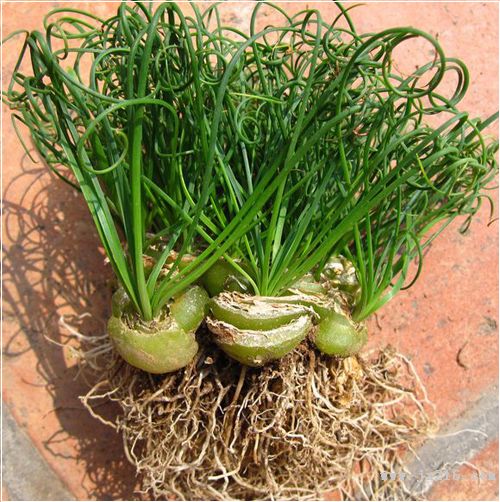
Spring Grass: Planting Methods and Daily Care Tips
Division can be done together with repotting in autumn. The method is to break off the small bulbs that sprout around the large bulb and plant them separately in potting soil; they will survive whether they have roots or not. Sowing is suitable for mass propagation and is carried out in autumn. After sowing, cover with a thin layer of soil and place a piece of glass over it to keep the soil and air moist, which gives a high germination rate.
-
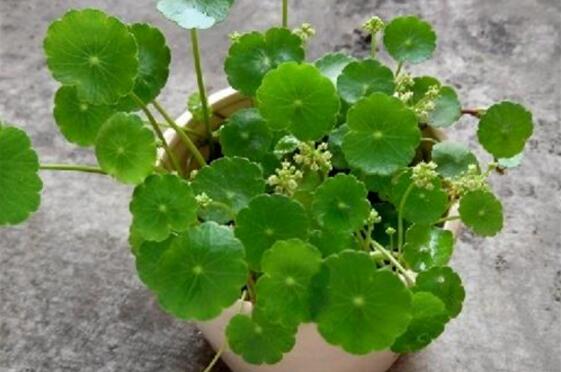
What to Do When Lysimachia Leaves Turn Yellow? Six Methods to Give It a Second Spring
Keeping Lysimachia (moneywort) at home is definitely a good idea, because it not only produces oxygen and relieves our fatigue, but most importantly, Lysimachia has amazing medicinal effects - steeping it in water cures a hundred diseases! However, in the process of growing Lysimachia, problems always arise, such as yellowing leaves
条件筛选