-
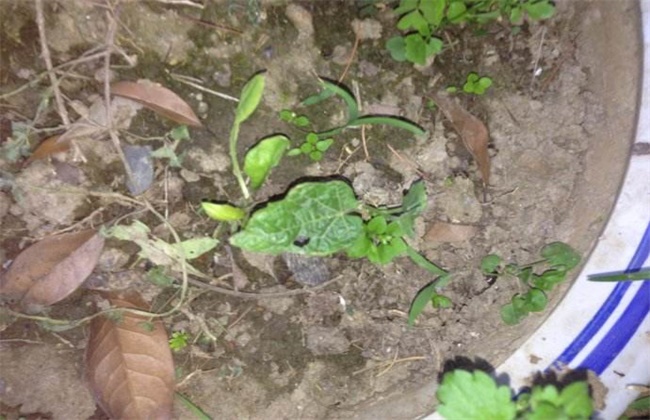
Detailed Explanation of the Key Technical Points for Sowing and Raising Snake Gourd Seedlings
Sowing and Seedling-Raising Techniques for Snake Gourd
-
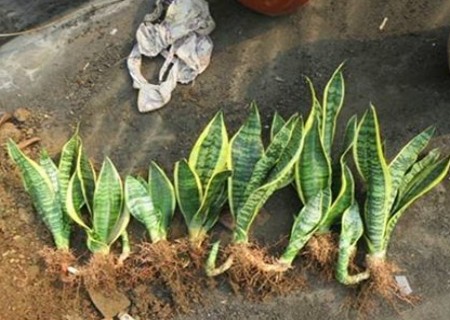
How to Divide a Snake Plant: Detailed Guide to the Correct Method and Precautions
The snake plant (Sansevieria) is a foliage plant with very strong vitality. It is not demanding about its environment, is very easy to grow, and its biggest feature is its ability to purify the air, with an extremely strong capacity to absorb formaldehyde. Placing a few pots of snake plants in a newly renovated home can absorb harmful gases indoors. Gardeners who have grown snake plants all know
-
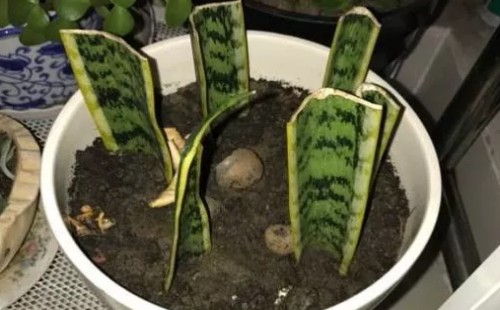
When is the most suitable time to propagate snake plant by cuttings?
Potted snake plants have extremely high ornamental value, so many people prefer to grow them in pots. Moreover, like many flowering plants, snake plants can all be propagated into young plants by taking cuttings. The method is relatively simple, and if done correctly, the survival rate is also very high. So
-
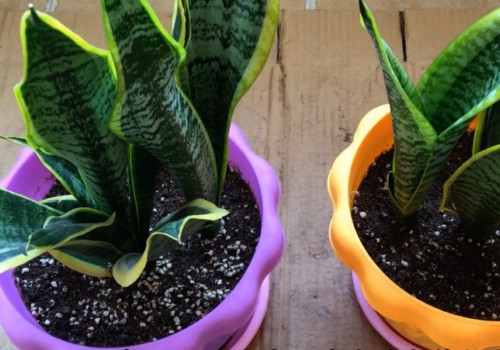
How to divide and transplant snake plants? I'll teach you the correct method
Snake plant leaves are broad, thick and large, and it grows vigorously. It is also very easy to care for, and with just a little attention you can grow it into a full pot. Especially during the peak growing season, it easily sends up side shoots. Once these side shoots grow larger, they will to some extent affect the growth of the main plant, so we need to divide them in time. So
-
How to Propagate Snake Plants Quickly? A Few Practical Methods
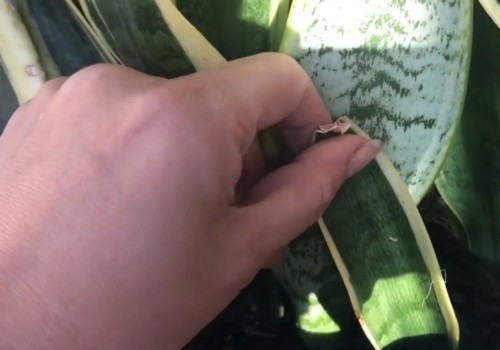
The snake plant (Sansevieria) is a very ornamental evergreen plant. Its leaves are upright and full of vitality, and they are also covered with beautiful patterns, making it very suitable for growing as a foliage potted plant. Not only that, the snake plant is also very easy to care for! So, how do you propagate a snake plant quickly?
-
A detailed guide to propagating snake plants by leaf cuttings, easy enough for beginners to learn
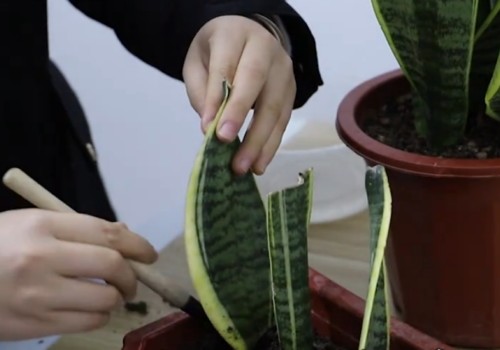
Snake plants have high ornamental value and are also fairly easy to care for, so keeping them alive is quite simple. What's more, the propagation method for snake plants is also very easy: just take a single leaf and insert it directly into the growing medium, and you can get small potted seedlings. Today, the editor will share with you the leaf-cutting propagation method for snake plants
-
What to Do If Your Snake Plant Has Root Rot? Here's the Correct Way to Handle It
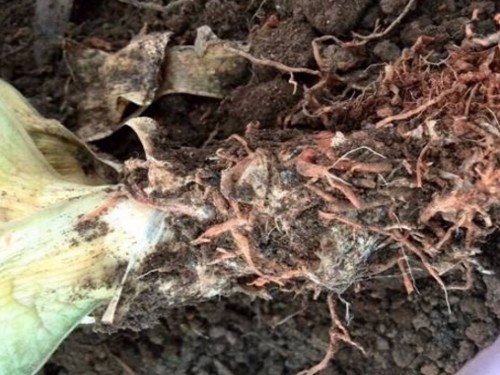
Snake plants are known as natural air purifiers and can effectively remove harmful substances from the air. In particular, their ability to absorb formaldehyde is extremely strong, and they can effectively remove harmful substances such as sulfur dioxide, chlorine, ether, ethylene, carbon monoxide, and nitrogen peroxide.
-

Why Does a Snake Plant Get Root Rot and Yellow Leaves? 3 Placement Spots to Avoid
Root rot and yellow leaves in snake plants are mostly caused by too much water and fertilizer and by improper placement. This article explains why snake plants should not be placed next to a radiator, in a bathroom or in a kitchen, and offers correct placement and care advice to help you grow your snake plant well.
-
What causes root rot and yellow leaves in snake plants?
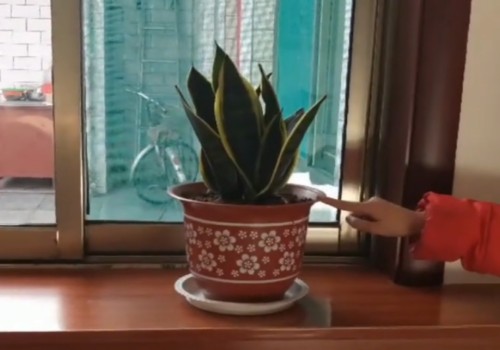
The snake plant (Sansevieria) is a common household potted foliage plant. Although it is relatively easy to keep alive, many beginners still run into plenty of problems. Among them, root rot and yellow leaves are the most common. So what is going on when a snake plant develops root rot and yellow leaves? Experienced growers know
-
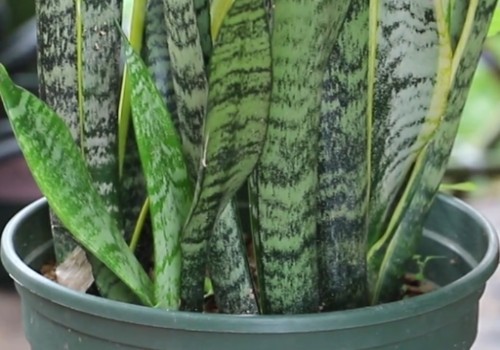
How to care for snake plants in winter? Master these care methods
Everyone surely knows the snake plant; it is a widely used, popular plant. Winter has now arrived, and winter care and management work must be done well, because this plant is quite afraid of the cold and easily goes dormant and stops growing. Therefore, mastering winter care methods is very important. Below
条件筛选