-

-
-

Alocasia amazonica care guide, plus yellowing, softening, rotting leaves, dropped leaves, and withered leaf tips
How do you care for Alocasia? Anyone who loves flowers and plants cares about this kind of question. People who like growing Alocasia are probably drawn to its lotus-like shape, ...
-
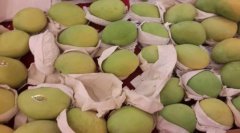
What is the fastest way to ripen mangoes so they turn yellow without rotting?
Mango is a fruit that ripens rather late; generally the mangoes sold in fruit shops are all artificially ripened, and chemical ripening agents are used, which is very bad. Eating too much fruit ripened this way with chemicals can harm your body. So is there any better ripening method?
-

What to Do About Rotting Bean Sprouts? Detailed Cause Analysis and Solutions
Causes of Rotting Bean Sprouts and How to Solve Them
-
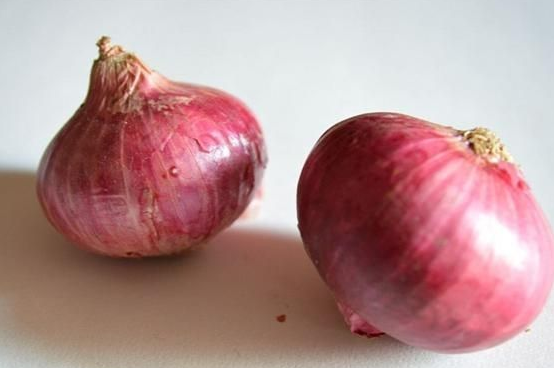
How to Grow a Potted Ornamental Onion After It Sprouts Without It Rotting
Onion is a vegetable that many people love to eat; it is truly delicious and tasty. So how do you turn a sprouted onion into a potted ornamental plant? Will a sprouted onion rot when turned into a potted plant? How to turn a sprouted onion into a potted plant: 1. First, you need an onion that has already sprouted. Those of you whose hands are itching to try growing one
-

How do you prevent sweet potatoes from rotting in storage pits? Practical new tips are here
New tips for preventing sweet potatoes from rotting in storage pits
-
Shiitake waste can be used to produce straw-rotting mushrooms
For more than a decade, the open-field shiitake industry in Xinbin County has developed on a relatively large scale, and the cultivation materials have shown a growth trend. For a long time, the waste material left after fruiting in open-field shiitake cultivation was always returned directly to the fields to improve the soil, and the issue of utilizing the waste material was never studied. In recent years, due to climatic reasons, the open-field shiitake cultivation model has gradually shifted to the cold-frame connected mushroom-column model, and therefore a great many spent mushroom sticks appear every year. This year alone, cold-frame shiitake was developed on 1,560 frames, and after fruiting there will be 7 million kg of spent mushroom sticks. In these waste materials there are still
-
Causes and Control Techniques of Rotting in Substitute-Material Shiitake Mushroom Logs
In recent years, varying degrees of log rotting (i.e., rotting and disintegration of logs during the spawn-running period) have occurred in some substitute-material shiitake mushroom production areas, causing waste of resources and economic losses for mushroom growers, and in some areas it has seriously threatened the development of the shiitake mushroom industry. For example, in Qingyuan County, the log rotting rates in 1999 and 2003 reached 17% and 31% respectively, with some individual growers exceeding 50%, resulting in severe losses. In response, we have conducted dedicated investigations and research since 1997, and have preliminarily identified the causes of log rotting and its control techniques. 1. Causes of log rotting
-

Snake Plant Leaves Turning Yellow and Rotting: Six Major Causes and Solutions
We know that one of the benefits and functions of the snake plant is its foliage, and it gets its name from the tiger-like stripes on its leaves. However, during cultivation, various reasons can cause the leaves to wither, turn yellow, or even rot, greatly reducing its ornamental value.
条件筛选