Snake Plant Leaves Turning Yellow and Rotting: Six Major Causes and Solutions
We know that one of the benefits and functions of the snake plant is its foliage, and it gets its name from the tiger-like stripes on its leaves. However, during cultivation, various reasons can cause the leaves to wither, turn yellow, or even rot, greatly reducing its ornamental value. So what should you do when snake plant leaves rot? Here are several common causes and solutions.
What to Do When Snake Plant Leaves Rot
1. Watering Issues
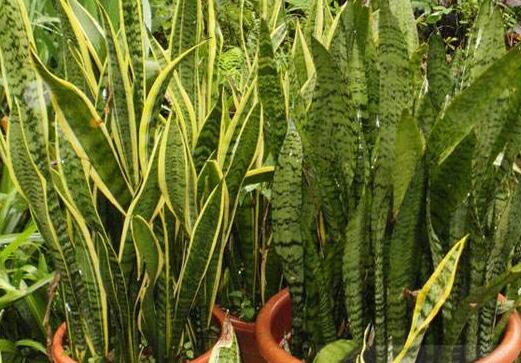
Most snake plant varieties are relatively drought-tolerant and intolerant of waterlogging, so when watering, it is recommended to err on the side of dryness rather than moisture. Sometimes, due to the rainy season, poor soil drainage, or overwatering, the soil becomes too wet, which hinders the roots from absorbing water and nutrients. The leaves first wither and turn yellow, and may then rot.
Solution: Reduce the frequency of watering. When watering, pay attention to the moisture level of the soil. Generally, water only after the soil surface has dried. Do not water repeatedly and frequently. This method has been described in detail in the article on how to water snake plants, which fellow gardeners can refer to.
2. Lighting Issues
The snake plant is a relatively shade-tolerant plant that can survive in dark environments for a long time. However, if it lacks light for an extended period, some leaves will wither and rot due to the lack of photosynthesis. In addition, if the light is too intense, such as exposure to direct sunlight in midsummer, the leaves may be scorched and rot.
Solution: What should you do when snake plant leaves rot due to lighting issues? During regular care, ensure the snake plant is in an environment with moderate light. Do not let it be exposed to direct sunlight in summer, nor let it stay in a dark environment for too long. As long as there is some scattered light, leaf rot can be avoided.
3. Temperature Issues
The snake plant has many advantages, such as drought tolerance and shade tolerance, but it also has some weaknesses, namely weak cold tolerance. When the temperature is below 10°C, it stops growing, and if it frequently drops below 5°C, it may suffer frost damage, causing some leaves to fall off and rot.
Solution: Temperatures in spring, summer, and autumn generally do not cause leaf rot. Only in winter, when temperatures are low and no insulation measures are taken, is frost damage likely to occur. Therefore, in winter, keep the plant warm, preferably indoors, but avoid the air outlet of air conditioners and heaters.
4. Soil Issues
In fact, the snake plant has very low soil requirements, but it does have basic requirements: good aeration, good drainage, and freedom from pathogens and insect eggs. If the soil is compacted or contains pathogens, the snake plant's roots will grow poorly, and the leaves will rot.
Solution: Remove the snake plant from its pot and replant it in healthy, loose soil. Also, disinfect the soil, or at least ensure the soil has been dried in the sun before use. If conditions permit, use a mix of leaf mold, garden soil, and sand to make potting soil.
5. Fertilization Issues
When fertilizing, the best method is to dissolve the fertilizer in water and then pour it along the edge of the pot into the soil. Do not pour the fertilizer water over the leaves. Once a large amount of fertilizer water is sprinkled into the leaf rosette, it will cause leaf rot due to fertilizer burn. Additionally, excessively high fertilizer concentration can also cause this problem.
Solution: Fertilize correctly and reasonably. Even during the growing season, do not fertilize heavily or frequently. When applying fertilizer, avoid contact with the leaf surface. If too much fertilizer is applied, water immediately so that excess fertilizer can flow out through the drainage holes as soon as possible.
6. Pests and Diseases
Snake plants are susceptible to soft rot, leaf spot, anthracnose, arrowhead scale, and other problems. Once these pests and diseases appear, the leaves will develop spots, and some diseases can cause leaf rot. The causes of these pests and diseases include the growing environment, cultivation methods, and more, and timely prevention and control are needed.
Solution: Carry out good routine care and management, ensure good ventilation and moderate temperature and humidity, and observe changes in leaf color. If spots appear, spray medication promptly. Commonly used medications include dimethoate emulsifiable concentrate and malathion emulsifiable concentrate.
What to Do When Snake Plant Leaves Wilt: Solutions for Yellowing and Softening Leaves
The snake plant is a very common potted plant. Although it does not produce beautiful flowers like other flowering plants, its tough and unique leaves can improve the environment while also purifying the air, so many people particularly enjoy growing snake plants. However, some friends have found that after a few days of cultivation, their snake plant's leaves turn yellow and soft. Let's explore together what exactly causes this!
What to Do When Snake Plant Leaves Wilt
Snake plant leaves becoming soft, snake plant leaves turning yellow, snake plant leaves rotting, snake plant leaves withering, snake plant leaves drying and curling, and the snake plant's drought and pest resistance - the above conditions generally manifest on the leaves and are mostly related to excessive moisture or overwatering. First, check whether the potting soil is too wet. Use loose, breathable sandy soil to prevent water accumulation in the pot. Under high temperature and excessive moisture, the roots are prone to rotting, causing leaves to become soft.
Second, be careful not to let water splash onto the leaf surface when watering, and do not spray water on the leaves either, to prevent water from accumulating in the leaf center. If this happens, place the plant in a ventilated area to let the leaves dry as soon as possible, and cut off the rotting and yellowing leaves.
Also note: apply light fertilizer more frequently. If the leaves are dark green with indistinct yellow patterns, it is basically caused by over-fertilization, which burns and curls the leaves, often turning them dry and black. The treatment method is to water generously with clean water once, ensuring the potting soil has good drainage, so the water dilutes the fertilizer in the soil, and immediately place the plant in a ventilated area to let the soil dry as soon as possible. If the potting soil is not well aerated and is rather compacted, repot the plant and remove part of the soil, replacing it with new, loose potting soil.
Solutions for Snake Plant Leaves Turning Yellow and Soft
1. Pay Attention to Growing Temperature
The snake plant's growing temperature should be kept between 16-30°C. In winter, provide appropriate insulation measures. Generally, below 5°C, frost damage occurs and leaves become soft. You can place the plant in sunlight to appropriately increase its temperature and gradually help it recover.
The snake plant likes warmth and is suitable for growing at temperatures of 16°C-30°C. In winter, certain anti-freezing measures should be taken. Generally, below 5°C, cold damage occurs. You can place it in sunlight to increase the plant's temperature.
2. Control the Amount of Watering
In spring and summer, keep the potting soil moist but not waterlogged. In autumn and winter, water only after the potting soil has completely dried. Regularly wipe the leaves with water to keep the plant looking attractive and to promote better growth. When the winter temperature is below 10°C, do not water to avoid frost damage. Watering should be done in the morning or evening.
3. Prevent Pests and Diseases
When watering, avoid splashing onto the leaves. If diseased leaves are found, remove and destroy them promptly. When disease occurs, spray with 12% copper green emulsifiable concentrate at 600 times dilution or 72% agricultural streptomycin at 4000 times dilution. Spray once every 7-10 days, for 2-3 consecutive times.
Reasons Why Snake Plants Won't Grow Tall
The snake plant may not grow tall due to its variety, because some snake plant varieties simply cannot grow very tall. Some snake plants are dwarf varieties that reach a maximum height of less than 20 cm, so they inherently cannot grow tall. However, sometimes the snake plant's failure to grow tall is a care issue rather than a variety issue.
First, it may be a temperature problem. When the temperature is too high or too low - such as being placed in an environment below 10°C or above 30°C for a long time - the snake plant's growth will be poor, and naturally it won't grow tall.
Second, it may be the effect of light. Most people grow snake plants indoors with limited light exposure, and some even get almost no sunlight, which adversely affects the snake plant's growth and prevents it from growing tall.
Another reason is that the snake plant's roots have problems, mainly root rot. Snake plant root rot is mostly caused by improper watering. If overwatered, too much water accumulates in the soil, causing root rot and affecting its growth.
The last reason is that the snake plant receives too little fertilizer during its growing period, so it lacks sufficient nutrients for growth, grows weakly, and doesn't grow tall.
The Benefits and Value of Snake Plants
1. Snake Plants Can Decorate the Home
Place a small potted snake plant on the coffee table, or a large one beside the sofa or in front of a floor-to-ceiling window, to create a harmonious and lively feeling. If you place a pot of elegant snake plants in a corner of the living room, it will also make your living room appear more simple and unadorned. Of course, placing snake plants on the dining table, in the kitchen, or in the bathroom makes your home look even more minimalist in style.
2. Snake Plants Can Purify the Air
The stomata on the snake plant's fleshy stems close during the day and open at night. While absorbing carbon dioxide, they release a large amount of negative ions, increasing the negative ion concentration in indoor air. Moreover, the snake plant has another important function: radiation protection, making it suitable for placing next to computers and televisions.
3. Snake Plants Can Be Used as Medicine
Snake plants also have high medicinal value, which has been recorded in many medical texts. As a medicinal material, the snake plant can clear heat and detoxify, and treat colds, coughs, bronchitis, and traumatic injuries.
Through the above content, I believe everyone has gained a deeper understanding of snake plant cultivation techniques. In fact, plants will develop various problems after being grown for a long time. As long as you understand the causes and then treat the symptoms accordingly, there will basically be no problems.
Causes of Snake Plant Leaves Becoming Soft and What to Do About It
The snake plant is a common household potted plant. It is a perennial evergreen herbaceous plant of the genus Sansevieria in the Liliaceae family. During cultivation, leaves often become soft. In fact, there are four main causes of snake plant leaves becoming soft: direct strong sunlight, overwatering, low temperature, and bacterial soft rot. Let's take a look at what to do when snake plant leaves become soft!
Direct Strong Sunlight
[Cause] The snake plant is a relatively shade-tolerant plant. It can be grown in indirect light, or in a place where the light is not very intense. If exposed to scorching sunlight, it can develop sunburn spots and soft leaves.
[Solution] The snake plant likes light, so be sure to let it receive sunlight regularly. It is best to place it in a spot where it can receive direct light. If conditions do not allow, place it in a location close to sunlight. Being in a dark place for a long time will cause the leaves to turn yellow.
Frequent Watering
[Cause] The snake plant's root system is not well developed. Overwatering can easily cause the roots to lack oxygen and rot, which then causes the leaves to become soft.
[Solution] When watering snake plants, follow the principle of preferring dryness over moisture. In spring, when new shoots emerge at the root crown, water appropriately more to keep the potting soil moist. During the rainy season, never let water accumulate in the pot. Regularly wipe dust off the leaves with clean water to keep them clean and shiny. Generally speaking, if the soil is relatively loose, water twice a week. In winter when the weather is colder, watering once is sufficient.
Temperature Too Low
[Cause] The snake plant likes a warm environment. When the temperature is too low, the snake plant's growth will also be affected.
[Solution] The snake plant has high temperature requirements. Its suitable growing temperature is 20-30°C, and it stops growing below 13°C. In winter, the minimum temperature should not be below 10°C, otherwise the base of the plant will rot, causing the entire plant to die.
Bacterial Soft Rot
[Cause] When the snake plant is affected by bacterial soft rot, the leaves turn pale yellow-green or grayish-yellow, and water-soaked soft rot spots appear at the stem base near the ground, making it easy to break. The rhizome turns yellow and soft-rotted, and the roots die.
[Solution] When watering, avoid splashing onto the leaves. If diseased leaves are found, remove and destroy them promptly. When disease occurs, spray with 12% copper green emulsifiable concentrate at 600 times dilution or 72% agricultural streptomycin at 4000 times dilution. Spray once every 7-10 days, for 2-3 consecutive times.