-

How to prevent and control powdery mildew on roses? Oleander has a clever trick
In spring, roses are prone to powdery mildew. After the disease develops, a layer of white powder appears on the leaf surface, seriously affecting the normal growth and development of the plant. Oleander is very effective at preventing and controlling powdery mildew on roses. The specific method is: 1. Crush fresh oleander leaves, soak them in clean water in a cool place for 1-2 days, without letting them ferment or spoil, then use a gauze net to filter out the crushed oleander leaves, and spray the remaining water with a sprayer onto the affected parts of the roses for 3-5 consecutive days, for a good effect. You can also soak the diseased branches and leaves directly in water made from oleander leaves
-
Cultivation and Management Methods and Technical Key Points for Cut-Flower Roses
Roses, with their brilliant colors and delicate fragrance, have always been cherished by people. Cultivating fresh cut-flower roses in solar greenhouses allows year-round supply to the market and is truly another new path for farming families to prosper. 1. Graft propagation. Use wild roses (Rosa multiflora) or dedicated rootstock varieties as rootstock, and adopt the branch grafting method or the bud grafting method for grafting. Sow the rootstock in early April and transplant in April of the following year. The seedbed should be fertile, loose sandy soil, with a plant-to-row spacing of 20 cm x 80 cm. Perform bud grafting in June, and lift the seedlings for field planting in the spring of the third year.
-
Pruning roses takes skill: master these few techniques for more vigorous blooms
Rational pruning is the key to controlling the flowering period of roses. In practice, pruning should be carried out according to the overall growth vigor of the rose plant. There are two types of buds on rose flowering shoots. At the 1st to 5th leaf below the flower, the upper buds on the shoot are pointed; the flowering shoots they produce are short, with about 6 to 9 leaves, and they set buds early, usually in 15 to 18 days, with small flowers. The middle buds on the shoot (at the 6th to 9th leaf below the flower) are round; the flowering shoots produced by round buds are long, with about 13 to 16 leaves, and they take longer to set buds, usually around 25 days, with large flowers; the bud eyes at the base of the shoot are flat, the buds have low vigor, sprout slowly, and easily produce vigorous water shoots, and the flowering shoots take even longer to set buds, usually more than 30 days.
-

Daily Cultivation Methods and Care Points for Roses
Roses are common flowers in daily life, usually planted in courtyards, balconies and other places. When planting roses, you need to pay attention to some method-related issues. Let's take a look at how to cultivate roses. Roses are also known as multiflora rose, Qiangmi, cidmei, and white canhua. Since ancient times they have been fine and famous flowers, with a very strong floral fragrance.
-

How to Grow Roses So They Bloom More Beautifully and Fragrantly
Roses are known as the "queen of flowers." If you pick the buds before they open, dry them in the shade, and boil 2 to 6 grams in water to drink as tea, it can treat menstrual irregularities, menstrual cramps, leukorrhea, and other gynecological conditions. - First, the sunshine duration must be long. Whether planted in the ground or in containers, roses need at least five hours of light per day, which is the primary condition for roses to bloom.
-

How to care for and manage roses so they bloom more
To make potted roses bloom more, there are three conditions: plenty of light, sufficient fertilizer, and hands-on diligence. With these three conditions met, roses are easy to grow and can bloom more. The following explains these three requirements in detail for your reference. 1. Long sunshine duration. Roses are sun-loving flowers; potted roses need at least 5 hours of light per day.
-
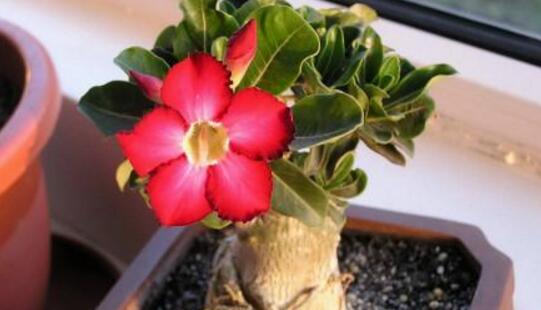
The timing and amount of watering and fertilizing desert roses are determined by climate and growth stage.
Plant growth requires nutrients, and besides soil, the main sources are watering and fertilizing. Desert roses are naturally no exception. Although they are drought-tolerant and do not like heavy feeding, watering and fertilizing are equally indispensable. So how do you water and fertilize a desert rose? The editor will give you the answer.
-

Spring greenhouse cultivation of roses: beware of one disease and one pest
March and April are an important stage when roses in the greenhouse move from recovery into rapid growth, and also a period when various pests and diseases are relatively active. During this time, special attention should be paid to the prevention and control of downy mildew and red spider mites. Downy mildew is a greenhouse disease, prone to occur after the roses leaf out, and occasionally seen in open fields
-

What to Do When Fresh-Cut Roses Rot? A Detailed Guide to Prevention and Treatment
Rose rot usually starts from the base of the petals and the flower stem. This rotting phenomenon has nothing to do with humidity or temperature; rather, the roses are damaged by ethylene during storage. The entire stem of the rose becomes fibrous and woody, with the flower stem being the most fragile part, and it must bear the weight of the flower head.
-
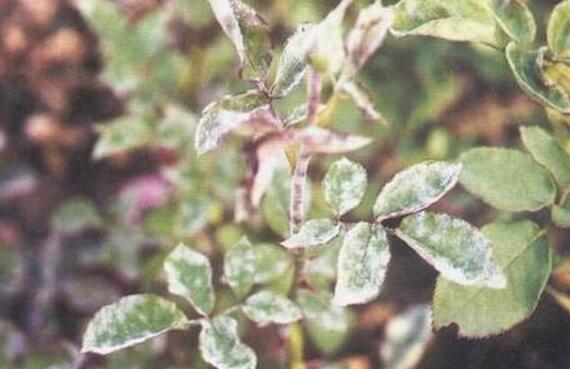
What to Do When Roses Get Bugs? Prevention and Treatment of 2 Common Pests and 4 Diseases
Everyone who has seen roses knows how beautiful they are, not only for their lovely flower shape but also for their beautiful meaning, symbolizing romantic love. However, if gardeners do not follow the proper methods for growing roses, yellowing and withering leaves and bug infestations will follow. So what should you do when roses get bugs?
条件筛选