-

How do you get rid of small flying insects? Throw a clove of garlic in the pot, and big white roots come popping out
As a Shandong native, Huahua's love for garlic flows like a mighty river, endless and unbroken. Garlic can be eaten raw and also used as a seasoning in cooking. But did you know that tiny garlic is also a magic tool for growing flowers? Today, Huahua...
-

What to do when the soil in your flower pot becomes compacted? Water it with this each time, and the potting soil will stay loose and feed the roots
More and more gardening enthusiasts are growing flowers now. Welcome to the big family of flower growing. Every plant and flower can bring people joy and beautify the indoor environment, and growing flowers is also a technical skill. Gardeners certainly...
-
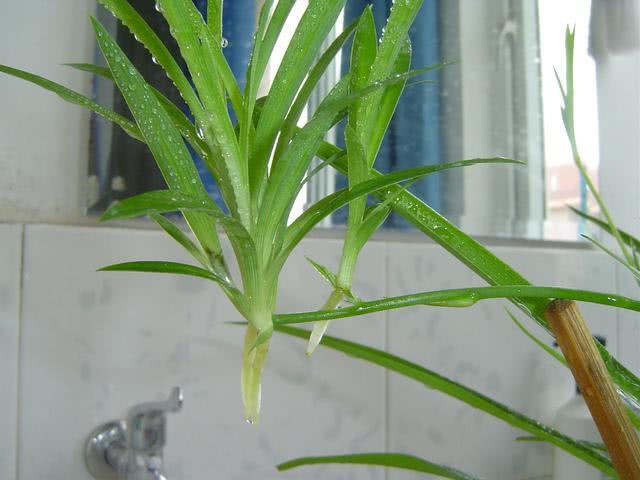
Feed your flowers a little "power pill" and their roots will grow like crazy - the effect is obvious and the method is simple and easy to get
If you flower lovers really want to grow a flower well, the first thing we must do is take good care of the flower's root system. Since we grow flowers at home in flower pots, this places certain limits on the flowers' growth...
-
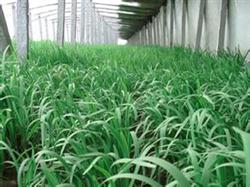
Chives have the most pesticide residue at the roots; remove half an inch of the root and first soak them in lightly salted water.
1. Temperature management. Chives like cool conditions, with an optimum growing temperature of 15-24°C, and should be ventilated appropriately during the day. To promote sprouting, after covering with a plastic tunnel the daytime temperature should be kept at 18-25°C, and after sprouting the daytime temperature should be controlled at 17-23°C. Before harvesting the first cut of chives, the daytime temperature should be 15-22°C and the nighttime temperature 10-12°C. After that, with each cut...
-
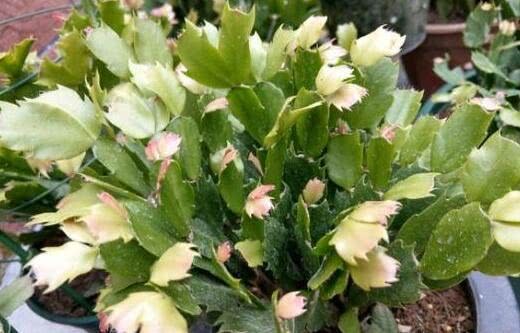
Propagating Christmas cactus by cuttings in autumn: use this and it grows big white roots in ten days without rotting
When it comes to the Christmas cactus, I believe gardening friends are all familiar with it. It has thick, fleshy leaves and belongs to the cactus family, but it is not a true cactus. Its flowers are bright in color and bloom at the tips of the leaves. Its normal flowering season is in winter...
-
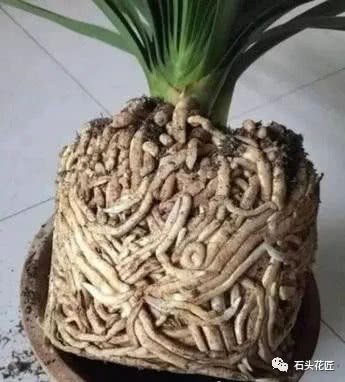
When growing flowers, put a little of this at the bottom of the pot, and the roots will grow thick and beautiful.
More and more people love growing flowers, and many people keep all kinds of green potted plants at home, especially plants like succulents, clivia (Clivia miniata), spider plant (Chlorophytum comosum), pothos (Epipremnum aureum), Christmas cactus (Schlumbergera), kalanchoe (Kalanchoe blossfeldiana) and asparagus fern (Asparagus setaceus). Many people keep one pot, or even several pots, at home...
-
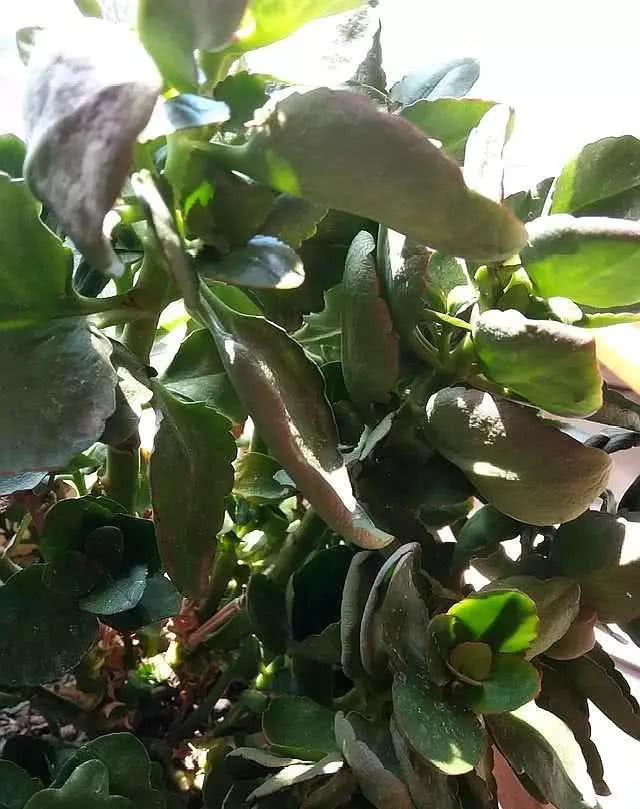
Kalanchoe leaves soft and wilted? Two tricks to get strong roots, green leaves and lots of flowers
The kalanchoe leaves have gone soft, with red edges, and there are black spots on the leaves - is there any way to fix this? From the picture, this plant of yours either has a root problem, or you haven't watered it for a long time. Those are the only two reasons. Please enter the image...
-
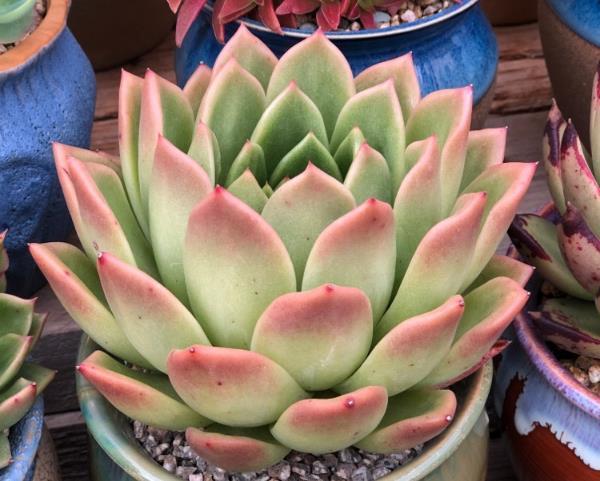
After trimming the roots of succulents, don't rush to pot them, so as to avoid root rot
Succulents bought online or from a greenhouse all need to be bare-rooted, have their roots trimmed and washed. On one hand, this prevents carrying insect eggs; on the other hand, it removes dead and necrotic roots and prevents black rot. At the same time, trimming overly long roots can also reduce nutrient loss...
-

How to grow Clivia? 3 clever tips for strong roots, thick leaves and bright red blooms
The Home Gardening Encyclopedia: Teacher Xiao Ye teaches you all kinds of gardening knowledge! Once you grow a Clivia, the biggest fear is that it won't bloom. Recently a fellow orchid grower said their Clivia had been growing for 2 years, and it was blooming less and less, and they had no idea why. The first two years it bloomed just fine...
-
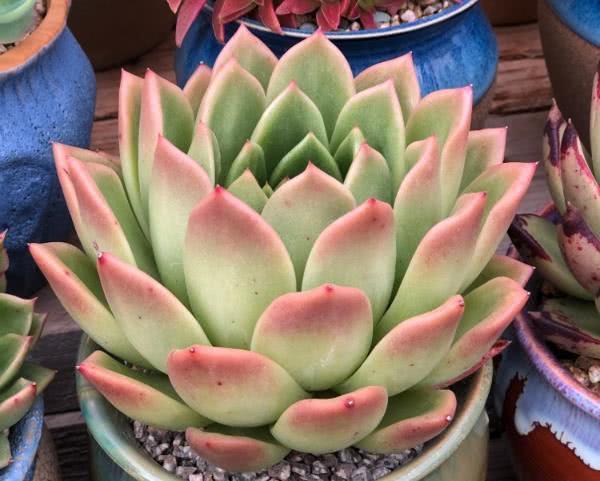
After trimming the roots of succulents, don't rush to pot them, to avoid root rot
Succulents bought online or from a greenhouse all need to be removed from the soil, have their roots trimmed, and be washed. On one hand, this prevents carrying insect eggs; on the other hand, it removes necrotic roots and prevents black rot. At the same time, trimming overly long roots can also reduce nutrient loss...
条件筛选