-
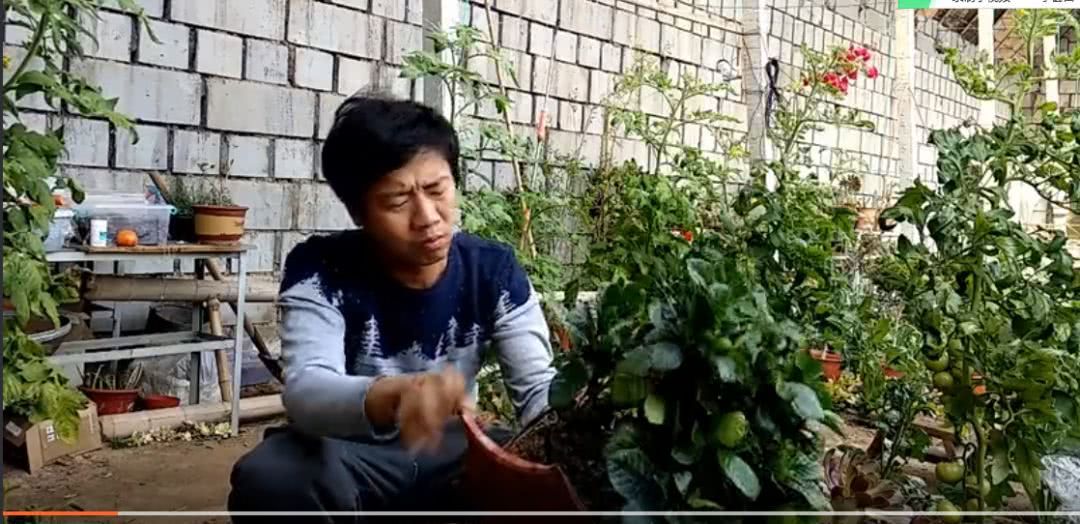
Gardenia's yellow leaves and completely ruined roots: skillfully revived, it soon bloomed all over
Hello everyone, today I'm posting about the gardenia I bought last time. It's looking a bit wilted. Looking closely at the roots, many of them are broken, and the soil is completely full of roots, which has already affected its blooming. So now we need to repot the gardenia. When we repot...
-

Spider plant roots thicker than ham split the flower pot open, the secret turned out to be this
A gardening friend showed Huahua her spider plant that had split its pot open, and Huahua was absolutely stunned! Quick-witted Huahua hurriedly asked her gardening friend for her little root-growing secrets, so hurry up and learn along with Huahua, and you too can grow big white roots!
-
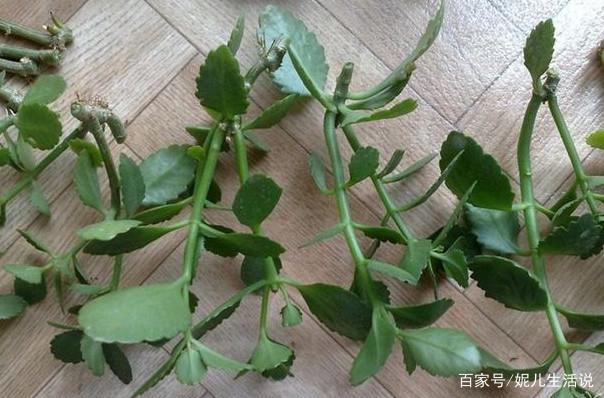
Propagate kalanchoe this way: roots in about a week, a potted plant in a month
Kalanchoe (Kalanchoe blossfeldiana) easily grows aerial roots in humid air. If you want to use stem cuttings for propagation, it is best to choose stems that already have aerial roots, or pick thicker, sturdier stems. Choosing such stems gives you, first, ample nutrients...
-

Jade bell belongs to the Crassulaceae family; let us introduce you to this plant
Jade bell, a succulent plant of the Crassulaceae family and the Kalanchoe genus, also called a succulent plant, with the alias foreign bell. This species prefers a warm and cool climate environment and is not tolerant of high temperatures and strong sun. Its leaves are brilliantly colored, its form is flower-like, its plant form is attractive, and its fibrous roots are peculiar, giving it extremely high ornamental value. It is native to the dry, sunny areas of Madagascar
-

Rose cuttings not rooting? Let me teach you one trick: roots in half a month, flowers within a month, 100 percent survival rate
Roses bloom beautifully and are deeply loved by flower growers, who are eager to try propagating roses from cuttings. In fact, the vermiculite rose cutting method I shared earlier roots very quickly, but some growers still say their rose cuttings...
-

Add a little something to your hydroponic Alocasia macrorrhizos (giant taro), and its roots will be plump and its leaves big and glossy
Alocasia macrorrhizos can absorb dust and purify the air, and its leaves even drip crystal-clear water droplets from their edges, which is very beautiful. How do you grow Alocasia macrorrhizos hydroponically? What little tricks are there? If you want to grow a hydroponic Alocasia...
-

Simple little tricks for hydroponic Alocasia macrorrhizos (giant taro): fat roots, strong leaves, and a shine of vivid green
Alocasia macrorrhizos can absorb dust and purify the air, and its leaves even drip crystal-clear water droplets from their edges, which is very beautiful. How do you grow Alocasia macrorrhizos hydroponically? What little tips are there? If you want to grow a hydroponic Alocasia macrorrh...
-
What plant is the white-flowered Anacampseros? Introduction to other succulent plants by family and genus
The white-flowered Anacampseros is a variety of Anacampseros, and there is also the red-flowered Anacampseros. It is a succulent plant in the genus Anacampseros of the family Portulacaceae, a perennial herb with tuberous roots, and the flowers are white and red. The flowers are plum-blossom shaped, borne at the tips of slender branches, about 2 cm in diameter, with fairly long stamens that often exceed the petals, and golden yellow anthers at the tips. The petals are silky,
-

Orchids love growing big white roots; Grandpa used two locally sourced materials and they grew vigorously.
Grandpa loves growing orchids and used two locally sourced materials; the orchids grew nothing but big white roots and their growth was fantastic! He has loved growing orchids since he started working, and now that he has retired and returned to his hometown, he has even more spare time to care for his orchids. When it comes to growing orchids...
-
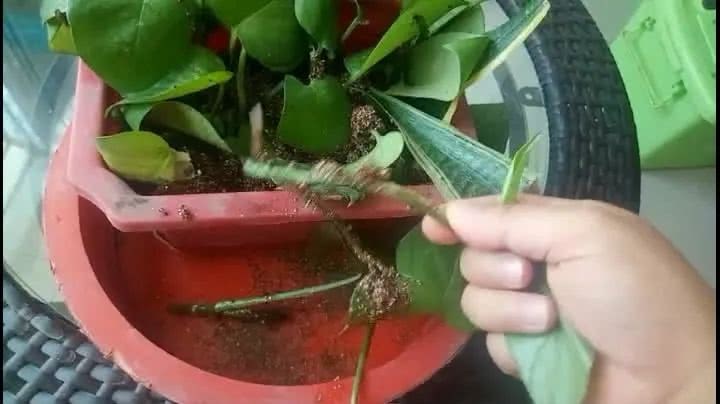
The fastest method for propagating pothos (Epipremnum aureum) cuttings: roots in 3 days, a full pot in one month, with a 100 percent survival rate
There are various ways to propagate pothos cuttings: you can root them in water or in soil. I think the fastest rooting method is vermiculite propagation - roots come quickly, the transplant shock period is short, and the survival rate is almost 100 percent. Cut the pothos vines into small sections with aerial roots, ...
条件筛选