-

What causes root rot in mint?
There are many causes of root rot in mint: if it is caused by overwatering, then reduce the amount of watering. If it is caused by too much fertilizer, then reduce the amount of fertilizer, take it out of the potting soil, cut off the rotted parts and disinfect them, then replant. If it is caused by poor air permeability of the potting soil, then replace it with a breathable flower pot and loose soil.
-

How to rescue a peony with root rot? Learn these methods and you can still save it
There are many causes of root rot in peonies: if it is caused by excessive watering, then water reasonably, and it is best to wait until the soil becomes dry before watering. If it is caused by root rot disease, then promptly cut off the diseased roots and disinfect them, and fertilize appropriately to increase disease resistance. If it is caused by too much fertilizer, then fertilize in moderation, and do not fertilize too much or too frequently.
-

How to save a crabapple with root rot? A detailed guide to practical solutions
There are many causes of root rot in crabapple: if it is caused by soil that is not breathable, then you need to replace it with suitable soil and loosen the soil properly. If it is caused by too much fertilizer, then you need to water heavily to wash away the excess fertilizer. If it is caused by water accumulating in the pot soil, then tilt the pot to let the standing water drain out. If there is no way to save it, then you will need to replant it.
-

How to save a camellia with root rot? Here's the correct way to handle it
There are many causes of root rot in camellias: if it is caused by poorly aerated soil, then replace it with loose, well-aerated soil. If it is caused by overwatering, then control how much you water and do not water too much. If it is caused by too much fertilizer, then reduce the amount of fertilizer and do not fertilize frequently. Once root rot is noticed, promptly cut off the rotted parts and replant.
-

Add this to the water and all the yellow leaves disappear, roots thicker than a radish
Summer is the best season for hydroponics, but many flower lovers report that their pennywort (Hydrocotyle vulgaris) and money tree (Pachira aquatica) leaves are wilting and yellowing, and they die within a few days! Today, Huahua is here to tell you what to add to your hydroponic bottle so the roots stay strong and the leaves don't turn yellow!
-

Grow a pothos with a towel and get big white roots in a week, turning into a green waterfall that fills the pot in a month
A woman doesn't dare to act coquettish because no one spoils her! It moved millions of people! ★ ★ ★ ★☆ Never let a man lie on your thighs, women remember this! ★ ★ ★ ★☆ ...
-

Use scraps of cloth to line the bottom of the pot, and roots won't rot for 10 years, easily making your flowers burst out of the pot
Complete Guide to Flower Growing Subscription account, click to follow, Huahua teaches you how to grow flowers! In late spring and early summer, if you don't get watering just right, the flowers will turn yellow, drop leaves, or even wither. This means nutrients have leached away or water has pooled and rotted the roots! Sigh~ How many times has Huahua said it, you need to...
-
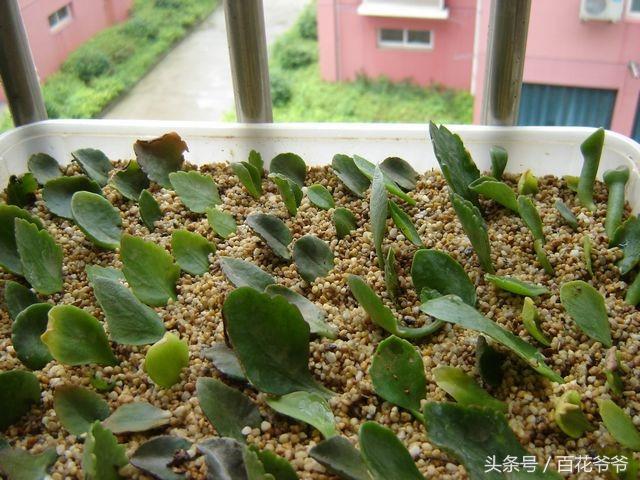
Cuttings not rooting? Try this trick, turn 1 pot into 100 pots and fill your home with flowers
Many people who love taking cuttings aren't necessarily trying to save a little money on buying flowers; what they're after is the fun of it. Just think about that sense of satisfaction from successfully propagating your own plants - it's absolutely something money can't buy. But in practice, failures during the cutting process are actually...
-
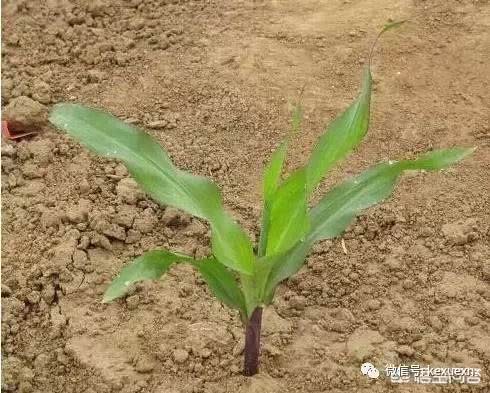
Purple-red corn seedlings are not just a matter of insufficient fertilizer; there can also be a root problem
Purple-red corn seedlings basically occur at the seedling stage, and can basically gradually disappear by the 7-8 leaf stage. Plants that usually show purple-red seedlings grow weakly and are small and weak. For this situation, Science Xingnong can sum it up as field phosphorus deficiency...
-
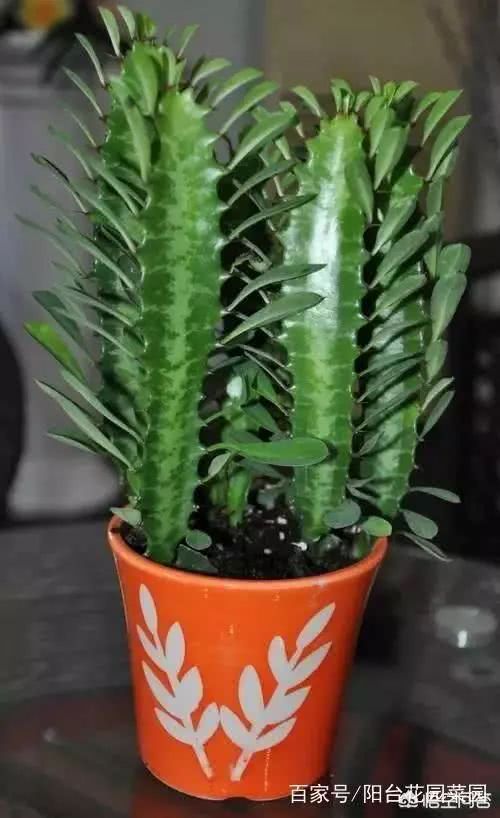
Dragon bone spurge cuttings root quickly, and in 3 years they can grow to the roof, and they can also resist radiation and absorb formaldehyde
Dragon bone spurge is a plant in the Euphorbiaceae family and is generally propagated by cuttings. So how should we take cuttings of dragon bone spurge? First, choose a branch about ten centimeters long. It can be one broken off at a node, or a half-length branch. Cut...
条件筛选