-

What to Do About Root Rot in Clematis? Cause Analysis and Treatment Methods
There are many causes of root rot in clematis: if it is caused by excessive watering, then the amount of watering must be controlled. If it is caused by poorly aerated soil, then loosen the soil appropriately, or replace it with loose, well-aerated soil. If it is caused by disease, then use medication promptly, cut off the rotted roots and disinfect them, and simply replant.
-
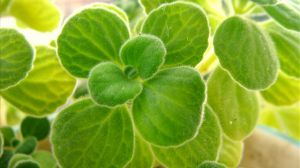
What to Do About Root Rot in Cuban Oregano? Causes and Solutions
To solve the problem of root rot in Cuban oregano, first take it out of the potting soil and clean it off, cut away the rotted roots and disinfect them, then replant it. If the root rot is severe, cut off its stems, leave a few leaves on them and let them dry, insert them into suitable soil, and place them in a cool, ventilated spot. After a few days it will grow new roots again.
-
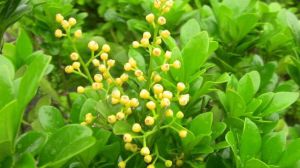
What to Do When a Mock Lime (Aglaia odorata) Has Root Rot? Here's the Correct Way to Handle It
There are many causes of root rot in mock lime (Aglaia odorata): if it is caused by unsuitable soil, promptly replace it with loose, well-draining, breathable, slightly acidic soil. If it is caused by overwatering, let it dry out for a while and control the amount of water given. If it is caused by improper fertilizing, apply decomposed fertilizer, once every half month with a dilute fertilizer.
-
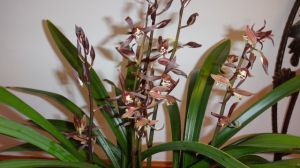
How to rescue a Cymbidium sinense with root rot? Here's the correct way to handle it
To solve the problem of root rot in Cymbidium sinense, first dig it out of the pot and clean it up, then cut off the rotten roots and disinfect them, let it dry in a ventilated place, and replant it. In addition, control the amount of watering at ordinary times; do not pour too much water at once, so as to avoid root rot.
-

What to Do About Root Rot in Rose of Sharon? Cause Analysis and Treatment Methods
There are many causes of root rot in rose of Sharon (Hibiscus syriacus): if it is caused by poor soil drainage and aeration, replace it with well-aerated soil as soon as possible. If it is caused by excessive watering, loosen the soil appropriately and reduce the amount of watering. If it is caused by excessive fertilizing, reduce fertilizing appropriately and control the fertilizing frequency well, and water appropriately more to let the excess fertilizer leach out.
-

What to Do About Root Rot in Petunias? Cause Analysis and Solutions
To solve the problem of root rot in petunias, first take it out of the potting soil, wash it clean, cut off the rotted parts, disinfect them, let it dry, and plant it in fresh potting soil. Usually, control the amount of watering well; do not overwater, and wait until the soil dries out before watering. In addition, during the rainy season, provide it with timely rain cover; if you cannot cover it in time, drain the rainwater away promptly.
-
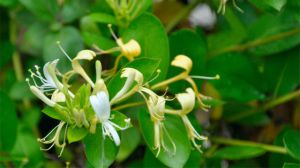
How to deal with root rot in honeysuckle? A few remedies to teach you
There are many causes of root rot in honeysuckle: if it is caused by fertilizing too frequently or in too large amounts, then reduce the frequency and amount of fertilizing. If it is caused by not changing the water of a hydroponic plant for a long time, then change the water regularly, and do not wait until there is a lot of debris in the water before changing it. If it is caused by pests and diseases, then take timely measures and use pesticides for regular spraying.
-

How to deal with root rot in azaleas
To solve the problem of azalea root rot, first take it out of the potting soil and rinse it clean, then cut off the rotted parts, soak it in potassium permanganate for 30 minutes, then disinfect the flowerpot, replace it with suitable soil, replant it and water it appropriately, and keep it in a ventilated place for care. Do not fertilize it for one month; after half a month it can be cared for normally.
-

What causes root rot in lotus?
There are many reasons for root rot in lotus: if it is caused by too much fertilizer, then reduce the amount of fertilizer and apply it in moderation, do not over-fertilize. If it is caused by pests and diseases, then promptly spray with a pesticide for prevention and control, and deal with it immediately once discovered. If it is caused by not changing the water for a long time, then change the water promptly and change it often.
-

How to rescue a magnolia with root rot? Teaching you the correct way to handle it
There are many reasons for root rot in magnolia: if it is caused by too much watering, then reduce the amount of watering appropriately and keep the soil moist. If it is caused by too much fertilizer, then reduce fertilizing appropriately. If it is caused by not repotting for a long time, then cut off the rotted roots and disinfect them, replace with a suitable pot and soil, and replant.
条件筛选