How to rescue a Cymbidium sinense with root rot? Here's the correct way to handle it
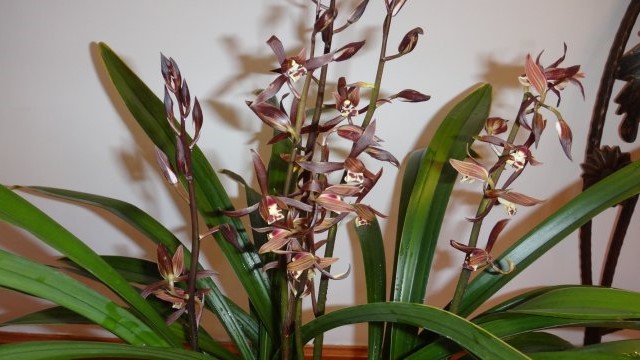
1. Rescue methods
1. If you find that a Cymbidium sinense has root rot, dig it out of the pot in time, clean up the area around the roots, then cut off all the rotten roots, and also cut off the diseased leaves that are yellow with spots, as long as its pseudobulbs have not rotted.
2. The treated plant should be disinfected, then placed in a cool, ventilated environment to dry, and suitable potting soil should be prepared. The soil is best loose and well-draining. If you still use the old flower pot, it must be disinfected to avoid infection again, and after replanting, care should be strengthened.
2. Prevention methods
1. Reduce watering
Cause: Too much watering will lead to water accumulation in the potting soil. If the soil is not breathable, its roots will rot due to lack of oxygen.
Solution: Control the amount of watering; do not pour too much water at once, and appropriately control the frequency of watering. In addition, water less or stop watering in rainy weather. If it is grown outdoors, drain promptly after the rain stops.
2. Replace the soil
Cause: If the soil is not breathable, the roots of Cymbidium sinense cannot breathe, and root rot will occur due to lack of oxygen.
Solution: Replace it in time with well-breathable soil, and loosen the soil irregularly. It is best to also change to a well-breathable flower pot, which is more helpful for its growth.
3. Prevent infection
Cause: If the roots of Cymbidium sinense are infected by fungi, pests and diseases will appear, and after being harmed by pests and diseases, root rot will occur.
Solution: Spray with a fungicide in time after discovery, and the potting soil should also be disinfected to avoid secondary infection.