-

How to prevent and control common pests and diseases of the bromeliad (Guzmania)?
The most common diseases of the bromeliad are heart rot and root rot. In plants affected by heart rot, the tissue at the base of the leaf cup softens and rots, with a foul odor. In plants with root rot, the root tips turn blackish-brown or rot. Poor drainage of the growing medium or overwatering, water pH that is too high, poor ventilation during seedling packaging, and seedlings left piled up too long before planting
-
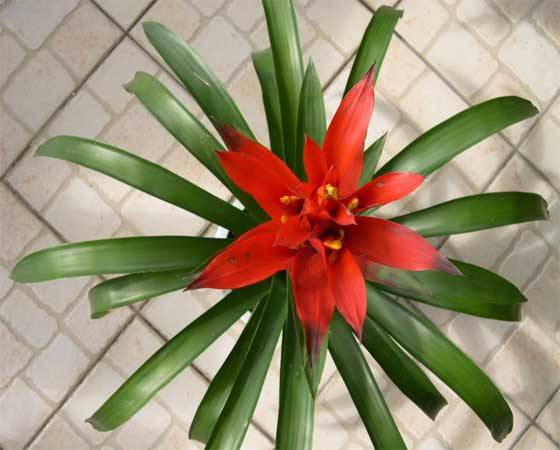
How to care for a Bromeliad 'Fortuna'? Master these care tips
1. Beautiful flowers are indeed a bit more delicate. In dry, stuffy, or low-temperature conditions, the leaf edges and tips of the Bromeliad 'Fortuna' easily develop scorch marks, so keep the potting soil moist, spray clear water on the leaves 1-2 times a day, and the cup-shaped part in the center of the leaf rosette can be filled with clear water
-
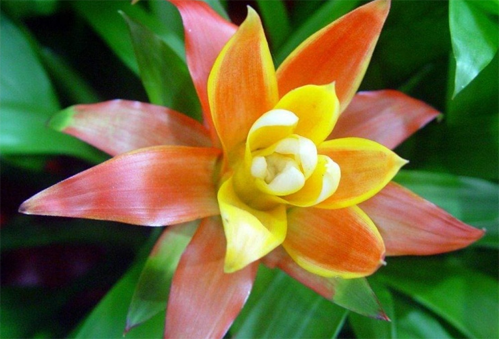
How to grow and propagate bromeliads (Neoregelia), and do they bear fruit?
When it comes to Neoregelia, it really is quite common, and many people have one at home. It is also a very good ornamental plant that many people love to grow. So what are the methods for growing Neoregelia? Do Neoregelia bear fruit? Methods for growing Neoregelia: potting soil medium
-

Is the Bromeliad Poisonous? A Detailed Guide to Growing It
Is the bromeliad poisonous? The bromeliad has another name, "Good Fortune." Many people buy bromeliads and bring them home without knowing how to grow them, so next let's look at how to grow bromeliads. Bromeliad growing methods: (1) Water. Water is the source of life and the key to development.
-
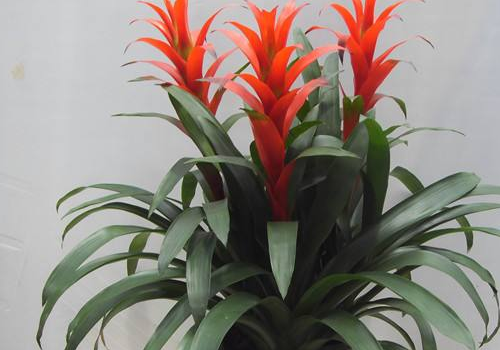
The Best Time and Method for Dividing a Bromeliad (Guzmania)
The bromeliad (Guzmania), this is a type of plant that a huge number of people love, so when should the bromeliad be divided? And what is the method: When to divide the bromeliad: The time to divide the bromeliad is suitable for April each year, and only when the offset has 6 or more leaves is it suitable for division
-

What are the treatment methods for wet belly disease (urine-soaked fur syndrome)?
(1) Clinical symptoms: Affected animals are mostly malnourished, with pale visible mucous membranes, frequent but not straight urination, dribbling urine, and the fur around the urethral opening soaked with urine; in severe cases almost the whole body is soaked, and in long-term cases the urine damages the skin, causing skin redness, swelling, erosion and ulcers, hair loss, and skin necrosis. (2) Treatment methods: Reduce the fat content in the diet, absolutely do not feed feed containing rancid fat, increase the amount of carbohydrate feed, and provide sufficient drinking water. When the disease occurs in a large group, the feed must be changed, and the supply of milk, eggs, yeast and
-
Comprehensive prevention and control measures are needed for fish hepatobiliary syndrome
In recent years, with the continuous increase in the intensification of aquaculture, the incidence of fish hepatobiliary syndrome has been rising. Hepatobiliary syndrome can occur in various cultured fish, most notably in common carp and grass carp, and generally the incidence is high in adult fish. There are many causes of fish hepatobiliary syndrome, which can be summarized mainly in the following aspects. (1) Pathogenic microorganism infection. Infections by pathogenic microorganisms such as Aeromonas hydrophila, Edwardsiella, and rhabdovirus and reovirus can directly or indirectly cause hepatitis in fish. Pathogenic microorganisms
-
How to treat cattle emaciation disease? A detailed explanation of traditional Chinese medicine syndrome differentiation and treatment methods
In traditional Chinese veterinary medicine, cattle emaciation disease falls within the scope of consumptive disease. It is prone to occur in cattle raised by scattered household farmers in the agricultural areas of eastern Qinghai Province, and due to delayed or improper treatment, it often leads to death. This brings serious economic losses to farmers. Based on clinical experience, the author has summarized the following treatment methods for reference. 1 Etiology The causes of cattle emaciation disease mainly include the following factors: 1.1 Due to a single feed type and insufficient energy, appetite and drinking gradually decline, causing the body's own
-
New breakthrough in the treatment of self-biting syndrome in foxes, raccoon dogs and minks
Self-biting syndrome is a common disease of captive fur-bearing animals such as foxes and minks. In recent years, it has occurred in many farms and households in China, causing great economic losses. There had been no specific prevention or treatment measures for this disease, and the key point was that the cause had not been identified. Regarding the cause, people had put forward many hypotheses or claims, but these had not truly served to guide prevention and treatment. Since the early 1990s, researchers have carried out some research work on the cause of the disease. In the course of research and experiments, the cause of self-biting syndrome was identified,
-
Diagnostic Key Points and Treatment Methods for Chicken Intestinal Toxemia Syndrome
Due to abnormal climate changes, the temperature difference between day and night varies greatly, and broiler and layer chickens often develop intestinal toxemia syndrome characterized by diarrhea, undigested feed in the feces, a significant drop in feed intake, slow growth, weight loss, dehydration and a decline in feed conversion efficiency. I. Clinical symptoms The flock is still in fairly good spirits, but grows slowly, and the combs are pale. Some diseased chickens pass white strip-like or mucus-like feces containing undigested feed, and the feces are slightly yellow. A few chickens show listlessness, head retraction, head tremor, running about restlessly and easy startling,
条件筛选