-
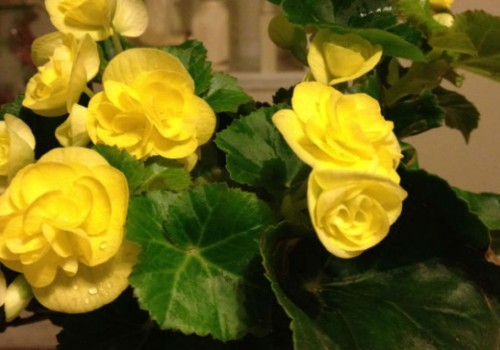
How to grow Rieger begonia in water? Detailed methods and steps
There are many fans of the Rieger begonia, not only because of its elegant flower form and rich colors, but also because as a potted plant it is quite suitable for foliage viewing, with broad emerald-green leaves and brilliant flowers clustered together, both elegant and beautiful. However, this flowering plant, the Rieger begonia, has relatively high requirements for its growing environment
-
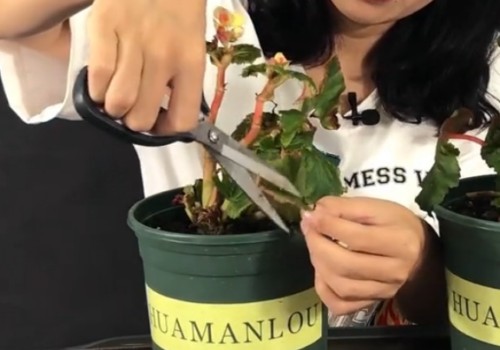
How to care for a Rieger begonia right after bringing it home
The Rieger begonia has a very long flowering period and a rich variety of flower colors, and its blooms are extremely beautiful. With good care and management, it can bloom all year round. If you want a newly purchased potted Rieger begonia to survive transplanting smoothly, grow vigorously, and bloom even better
-
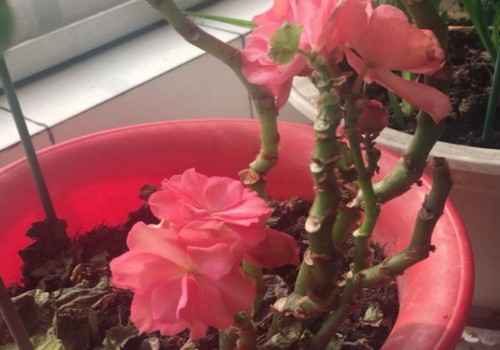
Why does the Rieger begonia keep dropping its leaves?
A potted Rieger begonia not only has an attractive plant shape, graceful flowers and rich colors, making it very suitable for flower viewing, but its large, glossy green leaves also make it quite suitable for foliage viewing. For a potted flowering plant like the Rieger begonia, which is suited to both flower and foliage viewing, any leaf drop will inevitably reduce its ornamental value.
-

Rieger begonia only grows leaves but does not bloom? The main reasons are these
The Rieger begonia (Begonia × hiemalis) not only has large, emerald-green leaves, but its flowers are also large and brightly colored, making it quite ornamental, and its flowering period is very long, so many plant enthusiasts like to grow it as a household potted plant for appreciation. But the Rieger begonia is not easy to grow, and a slight lapse in care may lead to poor growth
-
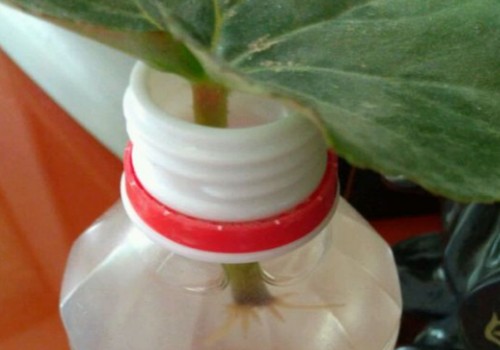
When is the best time to propagate Rieger begonia in water?
Rieger begonia not only has a long flowering period, but also produces large, vividly colored blooms in rich variety, giving it extremely high ornamental value. With proper care and management, it may even bloom year-round. Although Rieger begonia has relatively high requirements for its growing environment and is rather difficult to grow well, its propagation methods are quite simple.
-
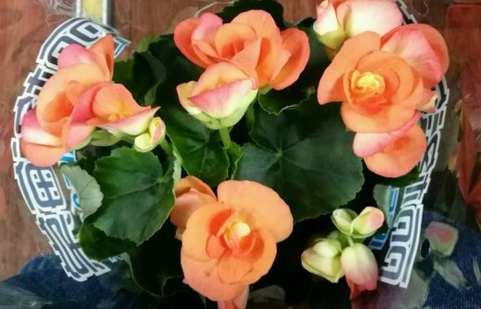
When does the Rieger begonia bloom? How do you pinch it back? What should you do if the leaves wither while growing it?
Rieger begonia, also called rose begonia or Rieger's begonia, has a rich variety of flower colors, including red, orange, yellow and white. Its blooms are large and brilliantly colored, with a distinctive form, color and fragrance, and it also has a long flowering period. So, when does the Rieger begonia bloom? How do you pinch it back? What should you do if the leaves wither while growing it? When does the Rieger begonia bloom
-
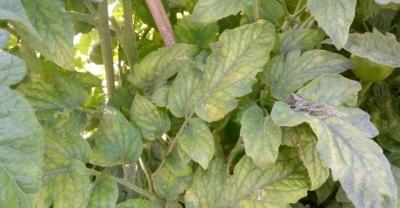
Rieger begonia care and planting methods, easily grow beautiful potted plants
The suitable growing temperature for Rieger begonia is 18°C to 22°C, with a minimum of 5°C in winter; it goes dormant in June in summer. It is a perennial tuberous herbaceous plant. The substrate for planting Rieger begonia...
-
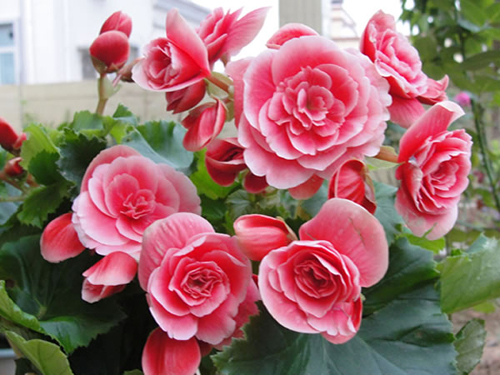
Rieger begonia (Begonia × hiemalis) cultivation methods and precautions: the growing temperature must be suitable
Rieger begonia is a herbaceous plant of the genus Begonia in the family Begoniaceae. The Rieger begonia has a full, compact plant form and is rarely reddish-brown. Its flower shapes are varied, mostly double-flowered, with rich colors; moreover, its flowering period is long, lasting from December through to the following spring in April. Below, let's talk about the cultivation methods and precautions for Rieger begonia.
-
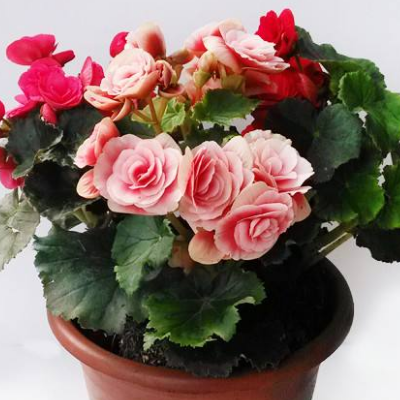
Rieger Begonia Blooming Time and Propagation Methods Explained
Rieger begonia (Begonia × hiemalis) sounds lovely just from its name, and it is a very suitable ornamental plant. So let's take a look: when does the Rieger begonia bloom, and what propagation methods are there? When does the Rieger begonia bloom: the Rieger begonia's blooming period is very long, lasting from April to December.
-

What are the cultivation methods for Rieger begonia in northern China?
Rieger begonia dislikes heat; above 25°C it grows poorly. Above 28°C it may enter heat dormancy. In summer it can be placed in a shaded spot where the sun does not reach, and rain must also be avoided; too much water in the soil easily causes root rot. It prefers an acidic growing medium. In Jilin, the highest temperature is only 30°C.
条件筛选