-

Drones with spreaders and seed pellets help rescue and restore trees in mountain forests
Restoring landslide sites in mountain forests is not easy, because many places are hard to reach, let alone plant trees. The Soil and Water Conservation Bureau of the Council of Agriculture once used helicopters to fly over remote mountain landslide sites and scatter tree seeds, but it was almost ineffective, because the seeds were too light and the helicopter's main rotor was spinning
-

How to control potato common scab? Bacillus subtilis LNP-1 comes to the rescue
Potato dreams come true! From scab-covered to fresh and smooth, all thanks to Bacillus subtilis LNP-1
-
Introduction to Bromegrass and Rescuegrass Forage Varieties
Mountain brome is a bunch-type perennial forage grass with tall plants, many leaves and high yields, but it has a short lifespan (usually useful for 2-3 years). It is suited to warm, humid regions, has poor cold and heat tolerance, and is not drought tolerant. Rescuegrass is an annual or short-lived perennial forage grass with many leaves in a leafy clump, and plant height can reach 0.8-1.2 m. It has relatively good heat tolerance but is not frost tolerant, and it adapts to warm, humid subtropical winters. Its yield is similar to that of mountain brome, and it can be sown in mixtures with clover, ryegrass
-
How do you rescue rice seedlings poisoned by trichloroacetaldehyde?
Phosphate fertilizer contains trichloroacetaldehyde and trichloroacetic acid. If phosphate fertilizer is applied excessively during rice seedling raising, or if inferior phosphate fertilizer with a high content of trichloroacetaldehyde (acid) is applied, the rice seedlings may suffer trichloroacetaldehyde (acid) poisoning. In mild cases, the seedling leaves curl and shrink, tillers grow in clusters, and brown necrotic streak spots appear at the leaf tips; in severe cases, the streak spots spread from the leaf tips toward the middle and base of the leaves, tillering decreases or stops, the root system becomes abnormally short and thick, and may even rot and turn black, ultimately killing the entire plant. For fields where the seedlings are only mildly affected, immediately adopt the method of irrigating by day and draining by night, repeatedly flushing with water
-
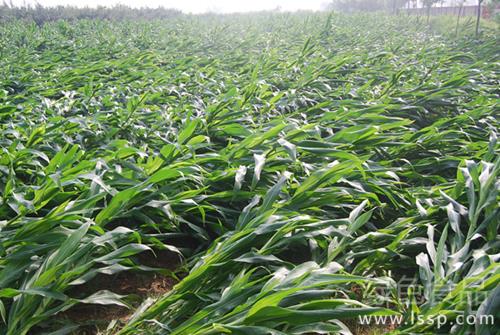
Rescue Measures for Corn Blown Down by Typhoon Dujuan
Typhoon "Dujuan" Knocks Down Corn: Rescue Measures After Corn Lodging
-

Rescued Three Flowers from the Trash, Mom Refused Them at First but Three Months Later Said They Were Worth a Fortune
Duoduo has 3 special flowers at home: a clivia (Clivia miniata), a money tree (Pachira aquatica), and a kalanchoe (Kalanchoe blossfeldiana). They are lush and bloom every year. Mom treasures them like priceless possessions, but back when I first brought them home from the trash, she ordered me to throw them out immediately. Not...
-
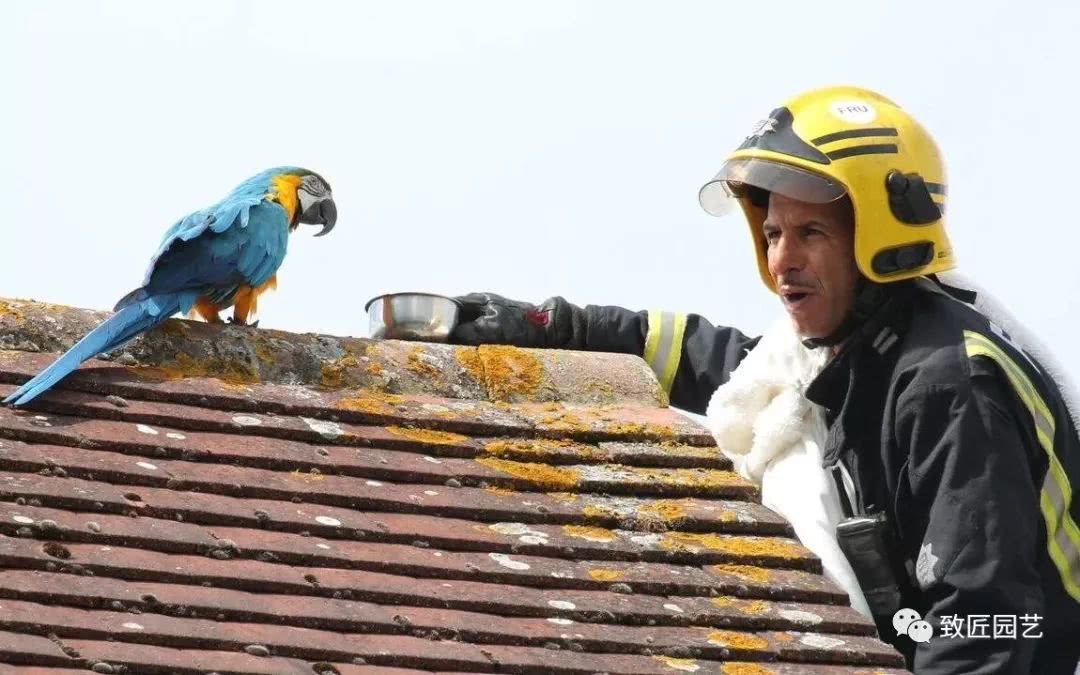
Parrot runs away from home for three days and three nights, curses at firefighters when rescued
(Parrot Jessie with firefighters. Image source: The Daily Telegraph) [Huanqiu.com report, reporter Zhu Mengying] Firefighters are a great and hardworking profession. Not only do they need to put out fires, they also have to rescue raccoons that climb up tall buildings and coax "runaway...
-
How to Rescue Drought-Stricken Citrus Trees? A Detailed Guide to Practical Remedial Methods
How to Rescue Drought-Stricken Citrus Trees
-
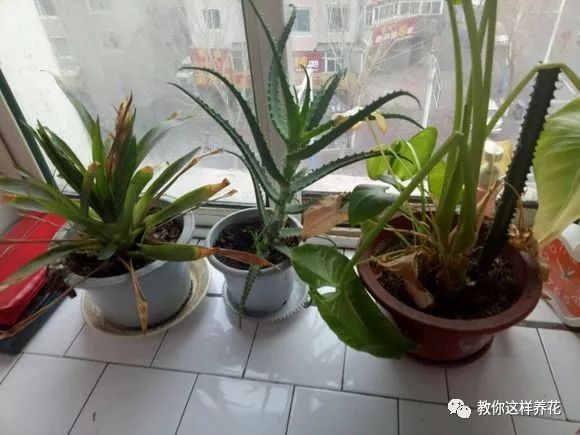
Don't Throw Away Dead Balcony Flowers in Summer - Timely Rescue Can Still Save Them
In summer, temperatures are high and flowers and plants easily run into problems. Some flower lovers said that after going away for a few days, all the flowers on their balcony died. If problems appear, rescue them quickly - you can still save a life and bring a few plants back. "Plant Rescue" - summer temperatures are high...
-
How to rescue a seemingly dead piglet? The upside-down holding and alcohol stimulation method
Rescuing a seemingly dead piglet - upside-down holding and alcohol stimulation
条件筛选