-

How to Rescue a Rhododendron That Is Dropping Leaves? Causes and Solutions Explained
There are many reasons a rhododendron drops its leaves: if it is caused by insufficient nutrients, you need to fertilize promptly to replenish nutrients; if it is caused by improper watering, you need to water reasonably; if it is caused by insufficient sunlight, you need to increase the light duration.
-
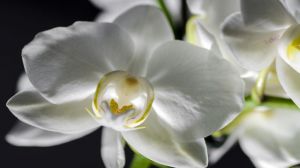
How to deal with root rot in white magnolia? These rescue methods you need to master
There are many causes of root rot in white magnolia: if it is caused by overwatering, then you need to control the watering frequency and the amount of water. If it is caused by too much fertilizer, then increase the amount of water so the excess fertilizer drains out, and usually fertilize in moderation, with small amounts applied frequently. When you find root rot, take it out, trim off the rotten parts, and replant it.
-
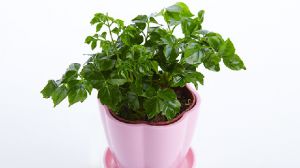
How to rescue a radermachera with root rot? A few remedies to teach you
To solve the problem of root rot in a radermachera, first take it out of the potting soil, clean off the dirt and rinse it with clean water, then cut off the rotted roots, soak them in potassium permanganate for 30 minutes, apply an appropriate amount of rooting powder and let them dry, then insert it into the soil, finally firm the soil down and water it thoroughly.
-
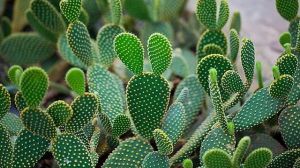
How to Rescue a Cactus with Root Rot? Practical Solutions to Share
To solve the problem of root rot in a cactus, first take it out of the pot, cut off the rotten parts and disinfect them, then place it in a ventilated spot to dry. Once completely dry, insert it into the potting soil. In normal care, control the amount of watering well, do not let water accumulate, and do not fertilize too much or too frequently, so as to avoid root rot.
-
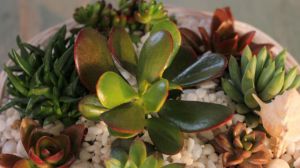
What to Do About Root Rot in Succulents? A Detailed Guide to Rescue and Treatment
There are generally two causes of root rot in succulents: if it is caused by overwatering, just control the amount of water, ensure ventilation, and loosen the soil appropriately once it dries out; if it is caused by prolonged rain exposure, then pull it out to re-root it, cut off the rotted parts, apply carbendazim, let it dry, place it in a bottle with water or in soil, and give it appropriate light.
-

How to rescue a magnolia with root rot? Teaching you the correct way to handle it
There are many reasons for root rot in magnolia: if it is caused by too much watering, then reduce the amount of watering appropriately and keep the soil moist. If it is caused by too much fertilizer, then reduce fertilizing appropriately. If it is caused by not repotting for a long time, then cut off the rotted roots and disinfect them, replace with a suitable pot and soil, and replant.
-
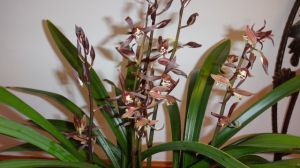
How to rescue a Cymbidium sinense with root rot? Here's the correct way to handle it
To solve the problem of root rot in Cymbidium sinense, first dig it out of the pot and clean it up, then cut off the rotten roots and disinfect them, let it dry in a ventilated place, and replant it. In addition, control the amount of watering at ordinary times; do not pour too much water at once, so as to avoid root rot.
-
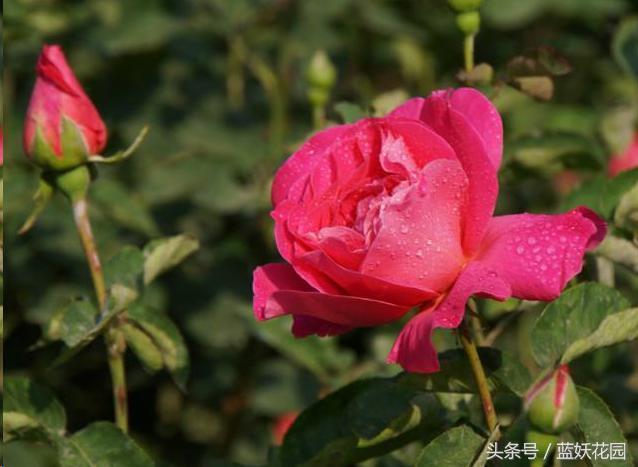
Rescued a dead flower pot from beside a trash can and after 2 months of care it actually bloomed like crazy
Click the [Follow] button in the top right corner for the Blue Demon Garden Toutiao account, send a private message with "Rose Course" and get 4 free rose growing lessons! This is day 909 of Blue Demon's daily original articles. This article is part of Blue Demon's original "30 Days, Helping You Go from Zero Basics to Beco...
-
She Rescued a Dead Flower from the Trash and It Bloomed Like Crazy in 2 Months
This is day 908 of Lanyao's daily original article, an excerpt from the series "30 Days from Complete Beginner to Flower-Growing Expert." Yesterday Lanyao told everyone a little story about annual and biennial flowers, and today Lanyao has another little story to share.
-
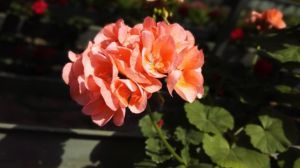
How to Treat and Rescue Root Rot in Geraniums
There are many causes of root rot in geraniums: if it is caused by poor soil aeration, replace the soil with a loose, well-aerated mix as soon as possible. If it is caused by a wound that occurred when repotting, disinfect it promptly. If it is caused by overwatering, reduce the amount of water and control how often you water. If it is caused by pests or diseases, spray promptly with a pesticide.
条件筛选