-

Clivia Pest and Disease Control Methods and Repotting and Division Techniques
Control Methods for Clivia Blight
-
How do you repot and divide a clivia? There are also little tricks for selecting one
Little tricks for selecting a clivia
-
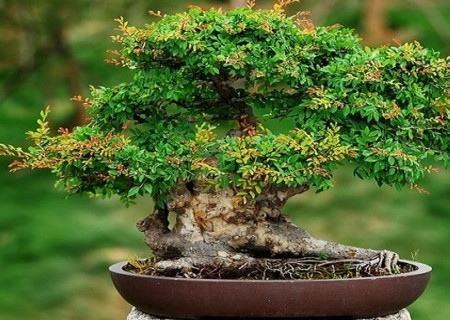
How do you repot a elm bonsai? Detailed methods and steps
Elm bonsai, especially Chinese elm (Ulmus parvifolia), has a graceful tree form, an elegant and unrestrained posture, mottled bark, and twisted trunks and branches. When the new leaves first emerge, the whole tree is tender green and has high ornamental value. Moreover, after leaf fall in autumn it can be appreciated as a cold-season tree, and it is an excellent ornamental tree species in gardens. In the south, Chinese elm is mostly grown as bonsai
-
How to repot a miniature bonsai? Detailed correct method and steps
Repotting a bonsai is mainly done to improve the growing space for the plant's roots, so that the roots do not develop problems due to limited space, and after repotting new nutrients can be added, thereby better promoting plant growth. Not only do ordinary bonsai need regular repotting, even the seemingly very delicate miniature bonsai also need timely repotting
-
Edible Fungi Preservation Methods and Clivia Repotting and Division Techniques
Repotting and Division of Clivia
-
The correct method for repotting and changing the soil of stump bonsai
After a stump bonsai has grown for some time, its roots fill the potting soil, crisscrossing to the point that their ability to absorb fertilizer and water weakens; at the same time, the nutrient elements in the potting soil become fewer and fewer, which is unfavorable to the growth of the stump, so repotting and changing the soil are necessary. Repotting is generally carried out in September in autumn or from early spring to Qingming
-
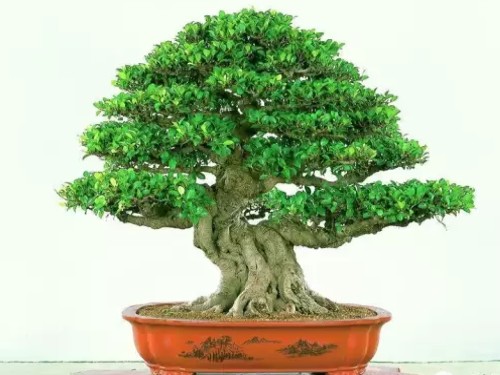
The correct method for repotting and changing the soil of a bonsai ficus
Many trees are repotted during their dormant period or slow-growth period. At this time, the tree's new roots have not yet grown, so repotting will not touch the new roots, avoiding bruising the new roots and causing root rot. After repotting, it is beneficial to the growth of new roots, and the new roots absorb nutrients from the freshly replaced nutrient soil, promoting healthy growth of the tree
-
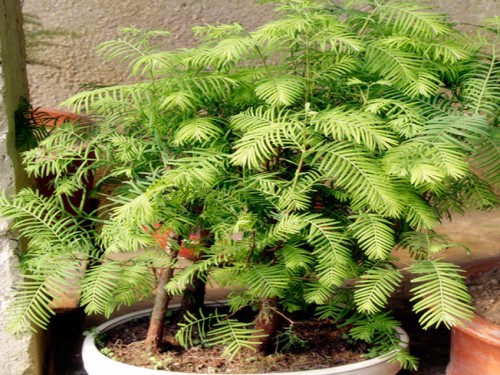
Correct methods and detailed steps for repotting a dawn redwood bonsai
The dawn redwood (Metasequoia glyptostroboides) is a "living fossil" tree species, with a straight, tall, upright trunk, a magnificent tree form, and emerald-green foliage that turns golden yellow in autumn. It is an autumn-foliage ornamental tree and a famous courtyard ornamental tree. It can be grown as a dawn redwood bonsai for appreciation, and can also be planted as a specimen, in rows, or in groups in parks, courtyards, lawns, and green spaces. The dawn redwood can also be planted in large stands to create scenic forests
-
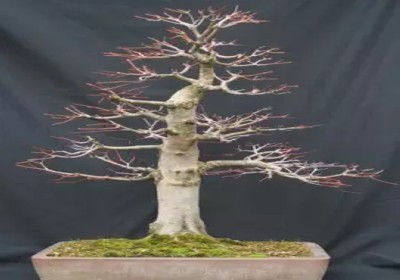
How to repot a maple bonsai? Repotting method illustrated tutorial
April is a good time to repot bonsai. Potted trees grow in limited potting soil; after a certain number of years, the fertility is exhausted, the soil layer becomes compacted, the roots are densely packed and squeeze each other, and new roots struggle to grow. It is best to switch to a larger pot and fill it with fresh soil (changing the soil without changing the pot is also fine) to ensure the normal growth of the potted tree
-
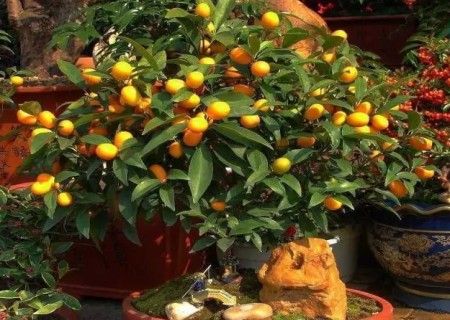
A Detailed Guide to the Correct Method of Repotting and Changing Soil for Fruit Tree Bonsai
To ensure fruit trees retain high ornamental value every year, the repotting frequency and timing must be chosen sensibly. If the repotting frequency is too high, the branches will grow vigorously, resulting in fewer fruits forming that year; if the repotting frequency is too low, the nutrients in the potting soil will be exhausted
条件筛选