-
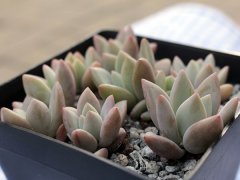
How to Grow and Propagate the Opulina Succulent
Succulent plants are now potted plants grown by many people, and Opulina is a relatively common succulent plant. This kind of succulent is also a plant that many people grow, so how exactly do you grow it? Let's take a look! The growth of Opulina
-

The dace is an aquatic improved species with relatively high economic value for farming.
Dace is also known as river fish and slippery fish. There are more than 20 species of dace worldwide, distributed only in China, Japan, Korea and the eastern part of the former Soviet Union. China has about 10 species of dace, mainly distributed in the waters of northern China. The species vary by region; those with mature farming technology and relatively high economic value include: 1. Baikal dace. Mainly distributed in the **Burqin area of China. This fish is a small to medium-sized precious fish, weighing 100-200 grams, with excellent flesh flavor, strong reproductive capacity and high population yield. 2. Northeast dace. Most are distributed
-
Wet urine syndrome in foxes is a disease with a relatively low incidence rate
Foxes also suffer from wet urine syndrome, but the incidence rate is usually relatively low, with the onset period mainly from July to September. The incidence rate is higher in male foxes than in female foxes, and growing foxes with fast growth rates as well as lactating female foxes are also susceptible to this disease. It is generally believed that the occurrence of this syndrome is related to oxidative deterioration of feed, excessively high fat content in feed, and deficiency of vitamin B1, E, A and choline chloride. When wet urine is found in foxes, first investigate whether there have been any problems with the feed recently. If the feed indeed has problems in quality and other aspects, immediately change or replace or adjust the feed composition, ensure freshness, and supplement vitamin B1,
-
The fine-scaled xenocypris is a small food fish with relatively high economic value.
The fine-scaled xenocypris is commonly known as shaguzi, huangpian, huangpi, huangweidiaozi, and so on. It is the largest individual in the subfamily Xenocyprinae, and is a small to medium-sized food fish widely distributed in the rivers and lakes of China. It has a high proportion of flesh, and the meat is delicious and tender. According to measurements, the viscera account for only 8%-12% of body weight, the protein content accounts for 22%, and the fat content accounts for about 2%. It is easy and simple to raise, with a wide range of food sources, mainly feeding on natural food organisms. From the perspective of human consumption, it is a green, high-quality fish species with relatively high economic value.
-
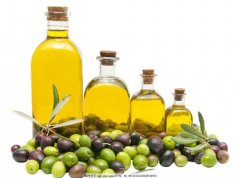
How should you eat olive oil to make it healthy and suitable?
Which kind of oil do you buy? Do you always buy very expensive oil? Actually, you do not need to. Let us take a look at this article below and see that some oils are expensive yet not worth the price. Choosing expensive olive oil to cook food is not necessarily healthier, beware of improper
-

These few varieties of river snail farming are relatively profitable
Several relatively profitable varieties of river snails
-

Which sika deer breeds are relatively easy to raise?
Several relatively easy-to-raise sika deer breeds
-
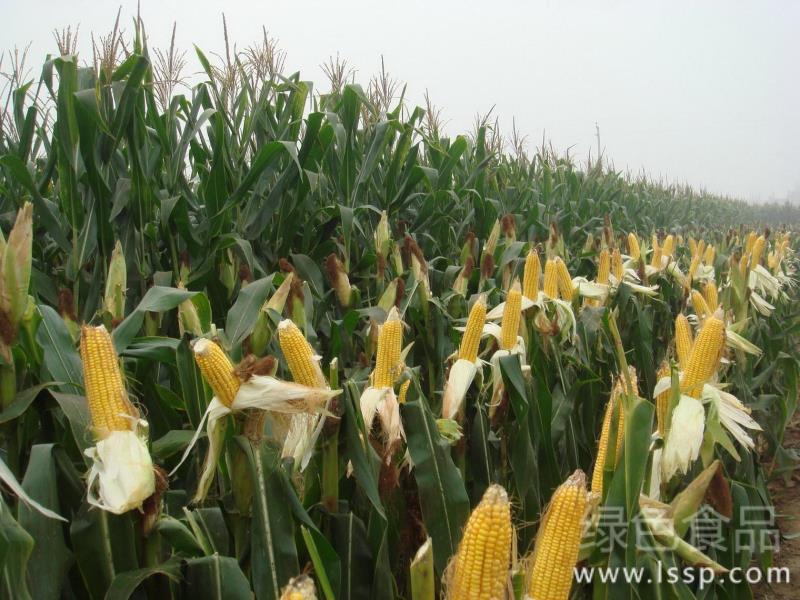
High-yield cultivation techniques for sweet crisp corn, with relatively good economic benefits
Relatively good economic benefits: high-yield cultivation techniques for sweet crisp corn
-
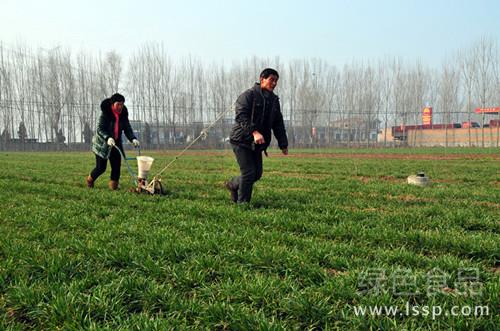
Wheat has a relatively high phosphorus demand; how should phosphorus fertilizer be applied scientifically as a top dressing?
Wheat has a relatively high phosphorus demand; how to apply phosphorus fertilizer as a top dressing for wheat
-
White Phoenix (Echeveria 'White Phoenix'): A Succulent Variety Profile
White Phoenix is a succulent in the genus Echeveria, Crassulaceae family, with the whole plant covered in white powder. The stems and leaves are succulent, and the entire plant has white powder. The largest diameter of the leaf surface can exceed 20CM, making it a relatively large Echeveria. The leaf color is emerald green, and in winter the leaf edges and old leaves easily turn red. Its flowers are especially beautiful.
条件筛选