-

How should watering times for flowers in winter be arranged more reasonably?
Many flowers need less watering in winter, and many flower lovers cannot get the timing of winter watering right. This article briefly introduces the timing of watering flowers in winter, for the reference of flower lovers. First, flower lovers should know not to water flowers too much in winter, because water evaporation is low in winter
-

How to reasonably choose the suitable sowing time for wheat?
The suitable sowing time for wheat generally refers to sowing when the average daytime and nighttime temperature in autumn steadily drops to 18-15°C. Within this range, sow semi-winter varieties first, then spring varieties. By making use of the suitable natural conditions such as temperature and light in autumn and winter, strong seedlings can be formed before winter, which is conducive to safe overwintering and improves the tillering and ear-bearing rate and grain weight. Right now is the critical season for wheat sowing, and wheat across the province has begun to be sown from north to south. According to the requirements of different regions and different types of wheat varieties for sowing time, and in response to the issue of suitable wheat sowing time that farmers generally care about, the following suggestions are put forward
-
Cotton pruning has its rules: prune reasonably according to local conditions
Conventional cotton pruning is what cotton farmers know best, but the other two pruning methods - simplified pruning and no-pruning - are not so familiar to some. The purpose of cotton pruning is to adjust nutrient distribution, control vegetative growth, promote reproductive growth, regulate plant shape, determine the number of fruit branches, reduce the consumption of nutrients by ineffective flower buds, and promote early maturity. Logically, cotton using conventional pruning should yield more than cotton using simplified pruning and no-pruning, but in production practice, affected by planting density and environmental conditions, this is not entirely the case. Therefore
-
Licorice should not be stored for too long; the storage time of medicinal materials must be reasonably controlled
Licorice is generally stored as compressed bales wrapped in burlap, each weighing 50 kg, kept in a dry, ventilated place, with a safe moisture content of 12%-14% for the commodity. There are more than ten kinds of warehouse pests of licorice, including the coffee bean weevil, the brown mulberry borer, and the four-spotted chestnut borer. Fumigation with nitrogen or carbon dioxide for 514 hours can kill all adults and larvae, with no obvious change in the inner quality of licorice. Licorice is prone to mildew. If the air humidity is too high, mold spots or white and green mycelium easily appear on the surface of licorice. The following measures can be taken for prevention and control
-
How to reasonably choose a scientific formula for oyster mushroom cultivation?
Oyster mushrooms have low requirements for raw materials, and many industrial and agricultural by-products can be used as raw materials. However, whether the carbon-to-nitrogen ratio in the growing medium is scientific and whether the amounts of other supplementary materials added are reasonable are issues that cannot be ignored in oyster mushroom production. At present, bag-cultivated oyster mushrooms mainly use cottonseed hulls as the raw material, so the quality of the cottonseed hulls directly affects the level of oyster mushroom yield and even whether cultivation can succeed. Fresh, high-quality cottonseed hulls should be selected; if moldy and deteriorated cottonseed hulls are used, it will cause contamination by weed molds and may even lead to cultivation failure. Pesticides or other
-
How to fertilize cotton reasonably? A detailed practical guide
Apply flower and boll fertilizer heavily. The flowering and boll stage is the most vigorous growth period in the entire life of cotton. Both the vegetative growth and reproductive growth of cotton reach their peaks, and nutrient demand is greatest. Timely fertilizer supplementation plays a key role in promoting cotton bolls, preventing premature senescence, setting more bolls on all three fruiting branches, and increasing boll weight. In fertilization, the cotton plants should be kept from excessive vegetative growth. For cotton fields with high fertility and vigorous plant growth, topdressing can be delayed until the full flowering stage when 1 to 2 large bolls have formed on the lower part of the plant; for cotton fields with low fertility and weak growth, flower and boll fertilizer should be applied early and heavily at the initial flowering stage. Generally, in mid-to-late July, apply urea per mu
-
Fish stocking should be arranged reasonably according to water body conditions.
During a "science and technology to the countryside" activity, the author learned that many fish farmers have had unsatisfactory yields and profits over the years in pond fish farming. The main reasons are that the fish stocked were not reasonably matched according to the feeding habits and behaviors of the fish, the varieties stocked were single, the quantities were too high or too low, and the sizes were small. This situation exists to some extent all over the country. The end of the year and the beginning of the year is the season when large quantities of fish are stocked in various places. In order to make full use of the water body, stock fish reasonably, and increase the yield per unit area of the water body, the key points for reasonably stocking fish according to local water conditions are as follows.
-
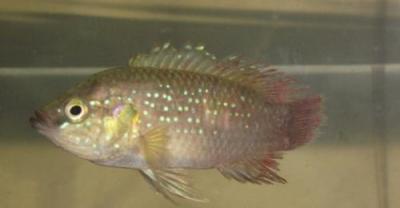
How to properly and reasonably fertilize fish ponds in aquaculture
Conventional fertilizing methods have certain advantages and disadvantages. How to fertilize, how to fertilize correctly, let's discuss with you the fertilizing before fry release and the pros and cons of conventional fertilizing...
-
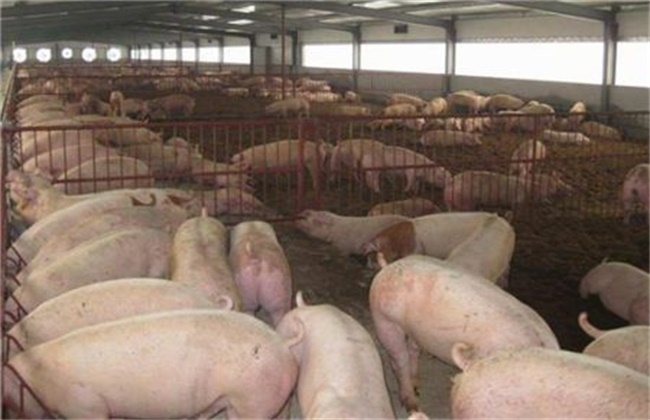
How to reasonably group and merge pigs? A detailed guide to practical methods
Reasonable grouping and merging methods for pig farming
-
How to Irrigate Field-Grown Flowers Reasonably? A Detailed Guide to Common Irrigation Methods
Reasonable Irrigation and Irrigation Methods for Field-Grown Flowers
条件筛选