-
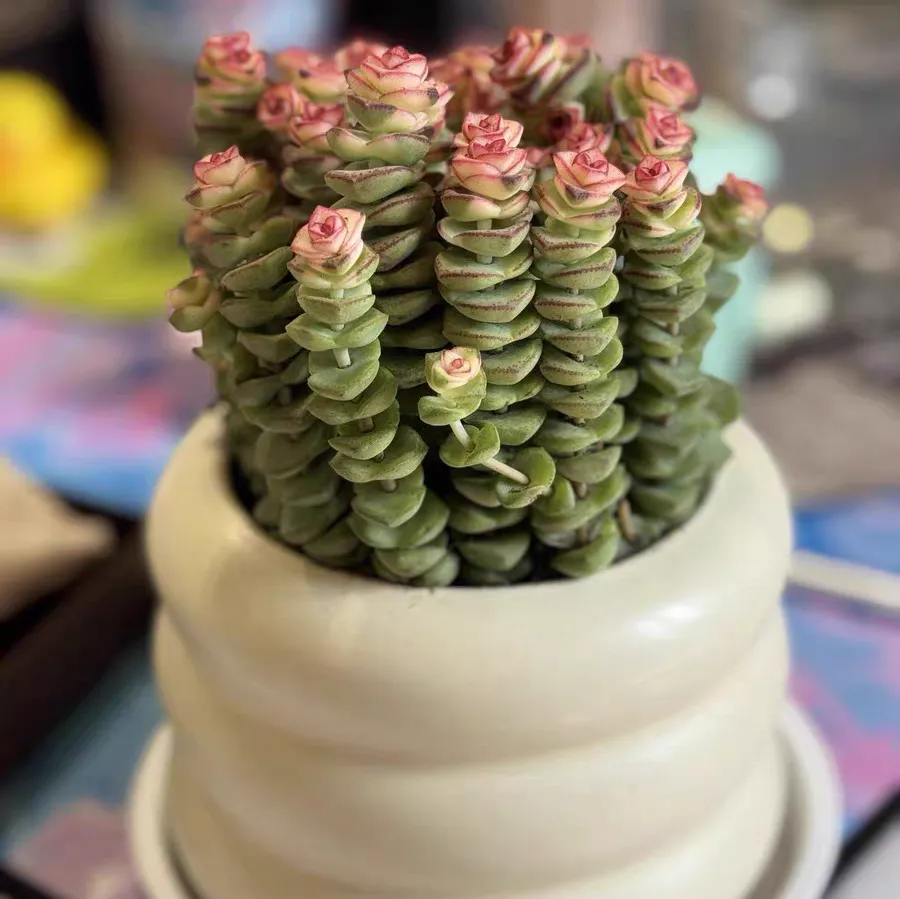
What are the reasons for the waterlogging of succulent plants?
In the process of succulent plant maintenance, waterlogging is a common and tricky problem. If not dealt with in a timely manner, it can easily lead to the
-
Reasons and Solutions for Soft, Wilting Leaves on Phalaenopsis Orchids During Blooming
When caring for Phalaenopsis orchids, many growers run into the problem of leaves turning soft during the blooming period. This phenomenon is often the result of a combination of factors, including light, temperature, water, fertilization, and pests and diseases. As long as you master the right response methods, you can help your Phalaenopsis recover its health and bloom beautifully again. 1.
-
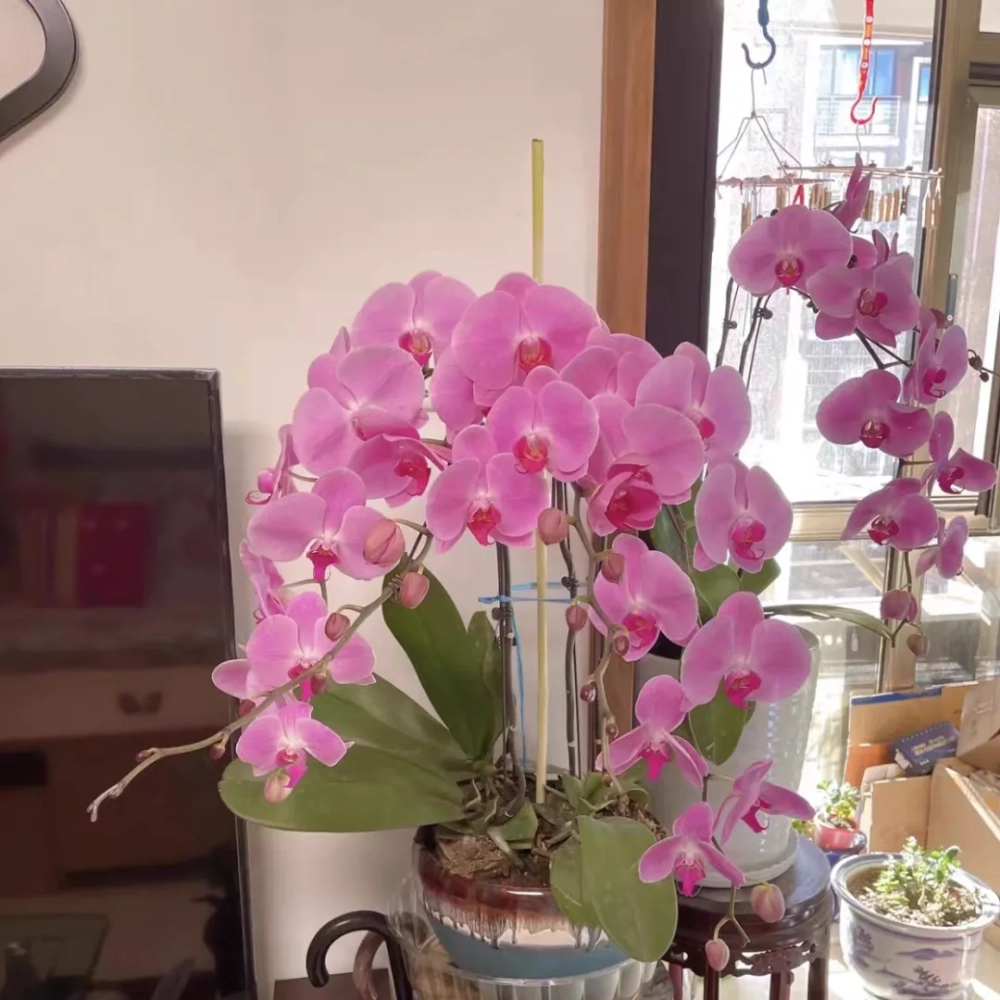
What are the reasons for the softening of the leaves of Phalaenopsis during its flowering period?
During the process of maintaining Phalaenopsis orchids, many flower enthusiasts may encounter the problem of soft leaves during the flowering period. This
-

Why Can't Phalaenopsis Orchids Be Given Organic Fertilizer? An Analysis of the Reasons
In flower care, organic fertilizer is often regarded as a natural, highly effective "plant nutrient," and many flower enthusiasts habitually use it on all kinds of flowers. However, for the elegant and delicate Phalaenopsis orchid, organic fertilizer is not an ideal choice and may even bring many hidden risks. So, can Phalaenopsis orchids be given organic fertilizer at all
-
Reasons for Sticky Sap on Phalaenopsis Spikes and How to Solve It
For people who love flowers and plants, Phalaenopsis (moth orchid) is a flower that combines beauty with symbolism. After blooming, they have a unique butterfly-like quality, and because there are many varieties, their colors are also very vibrant. However, although it is the first choice for home decoration, during the care process many flower lovers encounter a confusing issue.
-
Reasons and Methods for Air-Drying the Roots of Phalaenopsis (Moth Orchids)
The thick, fleshy aerial roots of Phalaenopsis are most vulnerable to waterlogging and pathogen infection. Air-drying the roots allows the wounds from pruning to dry quickly and form scabs, reducing the risk of black rot, while also regulating root moisture to suit care needs across different seasons. 1. Air-drying after pruning: 1. Root trimming: Use sterilized scissors to cut off brown, soft, rotten roots and hollow roots, keeping the healthy
-

Reasons Why Phalaenopsis Does Not Grow After Pruning and the Correct Pruning Method
Many people find that after pruning their Phalaenopsis, the plant refuses to grow for a long time, and the expected new shoots and reblooming never appear. What exactly causes a Phalaenopsis to stop growing after pruning? And how should it be pruned correctly? Reasons why Phalaenopsis does not grow after pruning: Improper pruning timing: The growth and dormancy of Phalaenopsis follow a certain pattern. If pruned during its dormant period, the plant's physiological activity is low, its ability to heal wounds and sprout new shoots is weak, and growth stagnation easily occurs. For example, pruning in a low-temperature winter environment means the Phalaenopsis grows slowly and may show no new growth for a long time. In addition, right after the flowering period ends, the plant has consumed a large amount of nutrients; pruning immediately at this time without giving it time to recover its strength will also affect subsequent growth.
-

Reasons Why Phalaenopsis Grows Slowly and Management Methods for Normal Growth
The beauty of the Phalaenopsis can be considered among the finest in the floral world, which is why in recent years it has become the "white moonlight" of many flower lovers, especially during the Chinese New Year period, when everyone at the flower market is happy to spend a lot of money to buy a few beautiful pots to place at home. However, after bringing it home, how should it be cared for in daily life? When first growing flowers, if you haven't mastered Phalaenopsis
-

Reasons Why Orchid Leaves Grow Luxuriantly but Do Not Bloom, and How to Choose Fertilizer for Phalaenopsis
Many people have grown Phalaenopsis. Some grow them very well and can even reuse the same plants bought the previous year the next year, while others find that as they grow them, the plants only put out leaves like crazy but never bloom. What exactly is going on? As for the above problem, it is actually caused by several factors. First, it may be that the flowering period has not yet arrived,
-

Reasons Why Phalaenopsis Orchid Stems Turn Yellow and Dry Up, and How to Fix It
Phalaenopsis orchids are a popular choice for indoor flower growing. However, when the stem of a carefully tended Phalaenopsis orchid dries up and turns yellow, it really is heartbreaking. Understanding the reasons behind it and finding solutions is the key to bringing your Phalaenopsis orchid back to life. Reasons for stem drying up: Natural aging: After completing a growth cycle, the stem of a Phalaenopsis orchid will naturally age and dry up, which is a normal physiological phenomenon.
条件筛选