-

Five observation points when feeding rabbits
One, look at the rabbit's size. Generally, an adult rabbit weighing about 3.5 kg needs 150-200 g of feed per day; a young rabbit weighing about 1.75 kg needs 100-150 g of feed per day. The ideal moisture level of the feed is when it lightly holds together when squeezed and falls apart when the hand is released. Two, look at whether the rabbit is fat or thin. For fat rabbits, appropriately reduce the amount of concentrated feed and increase green fodder or roughage; for thin rabbits, supplement nutrition and feed more concentrated feed. You can also feed some soaked soybeans, or mash bean dregs, mix them with boiling water, and stir them into the feed for the rabbits. Three, look at whether the feces are dry or wet. If the rabbit's
-
Which types of feed cannot be used alone to feed rabbits?
1. White radish leaves: White radish leaves contain very high levels of chlorophyll and a lot of water. If rabbits eat too much, they are prone to bloating, diarrhea, indigestion, and similar problems. Therefore, when feeding white radish leaves to rabbits, they should be mixed with other forage grasses, vegetable leaves, and so on. 2. Peanut vines: Peanut vines are rich in nutrients, and rabbits love to eat them, but because they contain a lot of crude fiber and water, excessive intake by rabbits can easily cause big belly disease, loose stools, indigestion, and similar problems, so they should not be fed alone in large amounts. In addition, when using peanut vines to feed rabbits, combining them with feeding the rabbits some onions, garlic heads
-
Management Measures for Pregnant Rabbits to Safely Get Through Summer
In the hot summer, measures should be taken to ensure pregnant rabbits get through the summer safely. 1. Pay attention to heatstroke prevention and cooling. The suitable temperature for pregnant rabbits is 14-16°C. In summer, heatstroke prevention and cooling work should be done carefully to prevent heat stress, which can cause premature birth, miscarriage, or stillbirth in pregnant rabbits. Keep the rabbit hutch cool with air circulation, and build a shade awning over the rabbit hutch. 2. Adjust feed promptly. Hot weather often causes pregnant rabbits to reduce their feed intake. Adjust the feed promptly, increase the proportion of protein and energy feed in the feed, feed more green and succulent feed, and when feed intake is reduced,
-

What are the precautions for raising rabbits in spring? Explained clearly in one article
Precautions for raising rabbits in spring
-

Detailed Explanation of Key Technical Points for Winter Feeding and Management of Rex Rabbits
Winter Feeding and Management Techniques for Rex Rabbits
-

Tips for Choosing Breeding Rabbits: Master These Points to Select High-Quality Breeding Rabbits
How to Choose Breeding Rabbits
-

How to fatten meat rabbits? Scientific feeding methods and rapid weight gain tips
How to fatten meat rabbits
-
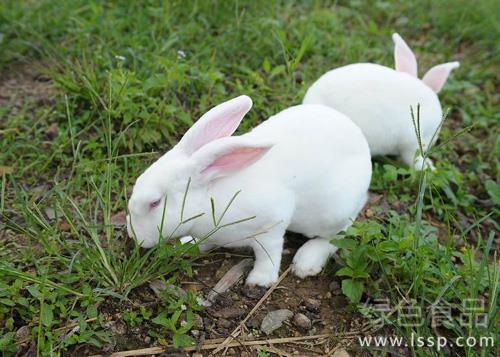
How to prevent and treat impacted crop disease, which young rabbits are prone to after eating
Young rabbits are prone to impacted crop disease after eating; how to prevent and treat impacted crop disease in rabbits
-
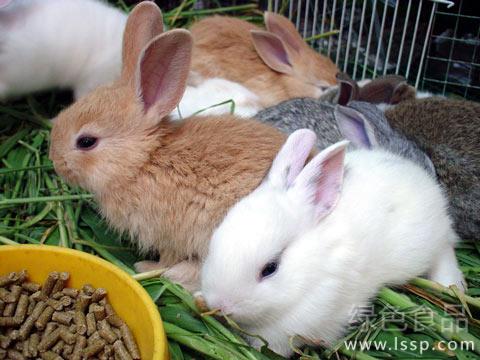
There Are Many Transmission Vectors for Red Eye Disease in Domestic Rabbits in Summer, So How Should It Be Prevented and Treated
With so many transmission vectors for red eye disease in summer, how do you prevent and treat red eye disease in domestic rabbits
-
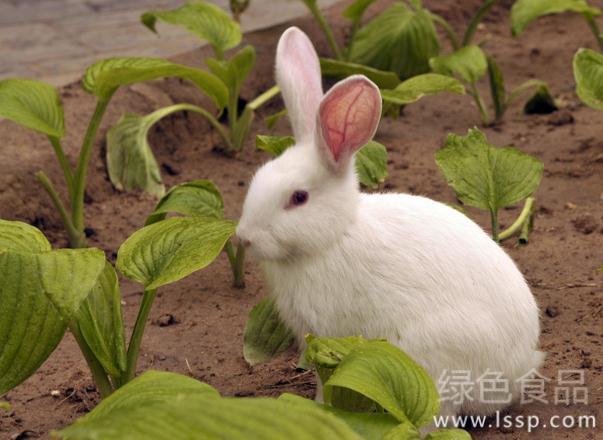
How to feed domestic rabbits reasonably? Scientific feeding promotes healthy growth
Only reasonable feeding benefits rabbit growth. How to feed domestic rabbits reasonably
条件筛选