-

Prevention and Treatment of Infectious Stomatitis in Rabbits
I. Onset Symptoms Sick rabbits have difficulty eating and chewing, with reduced appetite or complete refusal to eat, followed by indigestion, diarrhea, and dehydration; body temperature rises to 40-41°C, the rabbits become depressed and gradually emaciated, and die of exhaustion after 5-10 days. II. Prevention and Treatment Measures Strengthen feeding management at ordinary times, and regularly disinfect rabbit houses, rabbit cages, and equipment with 0.5% peracetic acid or 2% sodium hydroxide solution. If sick rabbits with drooling saliva are found, they should be isolated promptly for observation and treatment. Healthy rabbits can be fed concentrate mixed with 5 grams of sulfadimidine per kilogram for prevention.
-
What are the considerations when formulating feed for rabbits
Pay attention to selecting ingredients according to local conditions. The selected raw materials must not only meet the nutritional needs of domestic rabbits, but also suit local conditions, using locally available forage as much as possible. Pay attention to feed diversity. Combining a variety of feeds can play a role in nutritional complementation. Pay attention to seasonal differences. In most regions of China, green succulent feed is scarce in winter and spring, and domestic rabbits are prone to vitamin deficiency, so supplementation should be noted. Pay attention to feed palatability. Domestic rabbits like bitter lettuce, alfalfa (Medicago sativa), and soybean, and dislike forage with a musty or fishy smell. Be economical and practical. Fish meal
-
Feeding concentrate to rabbits requires care: master the scientific feeding method
Concentrates include energy-based feed ingredients such as corn, barley, wheat, sorghum, wheat bran and fine rice bran, as well as feed ingredients with high protein content such as soybean meal, rapeseed cake, fish meal, silkworm pupae and blood meal. Their common characteristics are low crude fiber content, low moisture content and high nutritional value. To increase the weight gain rate of meat rabbits, make wool rabbits produce more wool and rex rabbits produce more high-grade fur, concentrates are indispensable. The principle for using concentrates is to follow the nutritional needs of different types of rabbits and, according to the different regions and different
-
How should baby rabbits be raised so they can grow up healthily?
Getting enough colostrum. A newborn kit has no fur on its body surface, its eyes are tightly shut, its ears are closed, its ability to regulate body temperature is very poor, and its digestive organs are not yet fully developed. The colostrum secreted by the doe during the first 1-2 days after kindling contains large amounts of antibodies and trace elements, and also has a mild laxative effect, which helps promote the growth of the kits and helps them pass all their meconium. Therefore, if the kits can get enough colostrum in time and sleep well, their normal growth and development can be ensured. Some does, especially first-time does, do not have a strong mothering instinct and do not nurse their kits after kindling. In this case, the doe should be restrained
-
What are the benefits of feeding rabbits soybean cake water?
Chop the soybean cake into small pieces, add water and boil it, filter out the residue, and add 1% salt to the filtrate for the rabbits to drink. After bucks drink soybean cake water, their coat and body condition improve, and mating at this time can increase the conception rate of does. After nursing does drink soybean cake water, milk secretion can increase by 28%. After young rabbits drink soybean cake water, they grow vigorously, and their weight at weaning can reach 650-750 grams, a 22.5% greater weight gain than those given plain water.
-
Reasons for Feeding Rabbits Salt and the Appropriate Amount to Add
Sodium: widely distributed throughout the rabbit's body, it maintains the balance of water, electrolytes and acid-base levels in the body, so that the rabbit will neither become "shrunken and dry" nor develop edema; sodium also regulates normal cardiac physiological activity, and to a certain extent promotes nerve conduction and gastrointestinal motility. Chlorine: mainly distributed in the extracellular fluid, it is the raw material for forming gastric acid and a component of gastric juice. Gastric acid can stimulate appetite, enhance digestion, and increase the digestion and absorption rate of protein and fat. If the rabbit's diet lacks salt, it will cause loss of appetite in the rabbit
-
Key Technical Points and Management Methods for Raising Hyplus Rabbits
The Hyplus composite strain meat rabbit is a hybrid breed developed by the French company Euro Rabbit in the late 1970s. It was bred from nine original breeds through different crossbreeding combinations and selection trials. One of the most notable characteristics of this breed is its high meat yield, reaching up to 59%, which is the highest among current meat rabbit breeds. The meat is tender, and adult commercial rabbits weigh an average of 4.5 kg. After decades of breeding, it has become one of the main breeds in the current meat rabbit market. Yuncheng City was among the earlier areas in our province to develop it, and Hyplus rabbit raising is currently developing well. Housing
-
How to raise rabbits well in winter? Good feeding management is key
Keeping warm: In a low-temperature environment, rabbits lose a lot of heat and grow slowly, which affects their development and reproduction. Therefore, the rabbit hutch should be well maintained, windows sealed tightly, and cracks plugged to keep the hutch warm. Supplementary greens: Feeding green, juicy feed in winter can enhance rabbits' appetite and promote their growth, development and reproduction. Commonly used green, juicy feeds include cabbage, radish, bean sprouts, etc., but the daily feeding amount should not be too large, otherwise it easily causes diarrhea in rabbits. Add night grass: Rabbits have nocturnal habits. In winter, the days are short and the nights are long, so night grass should be added. At the same time, increase
-
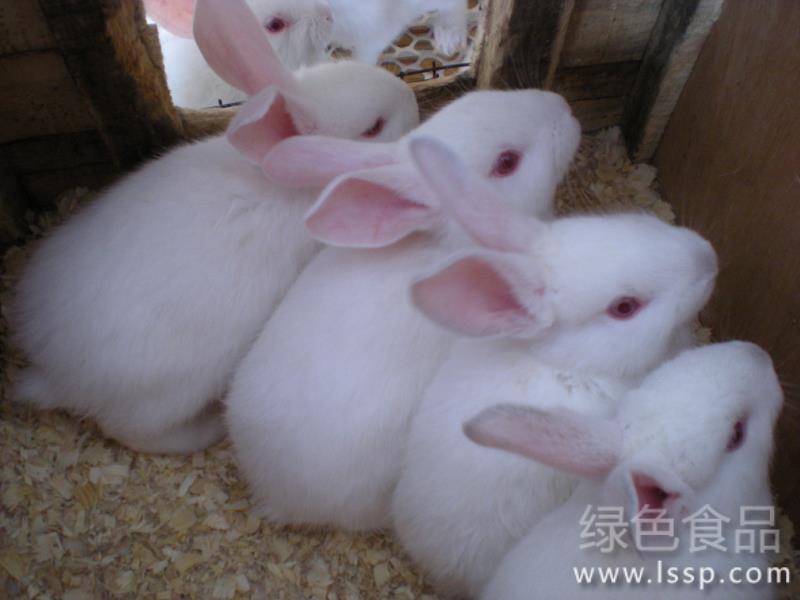
Angora rabbits cannot tolerate high summer temperatures; how can summer management be done well?
Summer heat is unsuitable for Angora rabbits; how can summer management of Angora rabbits be done well
-
There is more to feeding rabbits than meets the eye: do these five checks for scientific feeding
First, check the rabbit's size. An adult rabbit weighing about 3.5 kg needs 150-200 g of feed per day; a young rabbit weighing about 1.75 kg needs 100-150 g of feed per day. The feed should be of a moisture level that it forms a ball when gently squeezed and falls apart when the hand is released. Second, check whether the rabbit is fat or thin. For a fat rabbit, appropriately reduce the amount of concentrate feed and increase green feed or roughage; for a thin rabbit, supplement nutrition and feed more concentrate, and you can also feed some soaked soybeans, or mash bean dregs, mix them with boiling water, and stir them into the feed to give to the rabbit. Third, check whether the droppings are dry or wet. If the rabbit's drop
条件筛选