-

Why Do Rabbits Eat Their Own Soft Droppings?
During the raising of domestic rabbits, we can see that the hard fecal pellets they pass are formed through a second round of digestion. Domestic rabbits eat grass and feed during the day, and at night or before dawn they pass soft droppings, and as soon as the soft droppings are passed, the rabbit immediately eats them. Through this second round of digestion and absorption, only the residue is formed into hard fecal pellets and passed out of the body. When domestic rabbits eat the soft droppings they have passed at night, it is not coprophagia caused by a lack of some nutrient in their bodies, but a normal physiological phenomenon. This instinct of domestic rabbits has two major benefits: first, it can keep the rabbit hutch,
-
What are the treatment methods for heatstroke in rabbits?
① Plant vines around the rabbit hutch to provide shade, splash cool water on the ground at noon to lower the temperature, give the rabbits lightly salted water to drink over the long term, and let them rest fully. ② When summer arrives, shear wool rabbits once, and try to stop both male and female rabbits from breeding. ③ If a rabbit is found with heatstroke, immediately place it in a cool, well-ventilated spot, provide 1% saline, and at the same time apply a cold compress to its head or bleed it from the ear vein, then administer 3 drops of Shidishui. ④ Put garlic juice in its nose, or apply cooling oil to its temples, or soak a brick in cool water and let the rabbit lie on it to cool down.
-
Precautions for Feeding Rabbits: What Can and Cannot Be Fed
1. The following grasses and wild vegetables must never be fed to rabbits at any time: potato vines, tomato vines, larch, globeflower, castor bean, ragwort, monkshood, wild grape vines, langdu chenopodium (Stellera chamaejasme), etc. 2. Some grasses and wild vegetables cannot be fed to rabbits during certain stages of growth and development, otherwise they can easily cause poisoning in domestic rabbits: yellow and white sweet clover are toxic and cannot be fed to rabbits when in bud and bloom; buckwheat and wild rape cannot be fed to rabbits when flowering; flax cannot be fed to rabbits when the seeds and crown stems are mature; potatoes cannot be fed to rabbits when they have sprouted.
-
Detailed Explanation of Breeding and Development Technology for Dual-Purpose Medicinal and Meat Rabbits
1. Development prospects The dual-purpose medicinal and meat rabbit originated in Zhucheng, Shandong, and has a long history. It has strong bones and thick meat, and has the effects of tonifying the middle and replenishing qi, cooling the blood and detoxifying. It can nourish the complexion and soften the skin, strengthen the body, prolong life, lower cholesterol, prevent and treat cardiovascular and cerebrovascular diseases and obesity, and improve intelligence and nourish the brain. This rabbit is also a high-grade meat food. The rabbit meat is bright red and tender, without a gamey smell, rich in aroma, not greasy when eaten over a long period, and rich in nutrition, containing more than 21% protein. Since January 2002, when China's rabbit meat was banned by the EU due to drug residue issues, it has been the only green rabbit
-
Five observation points when feeding rabbits
One, look at the rabbit's size. Generally, an adult rabbit weighing about 3.5 kg needs 150-200 g of feed per day; a young rabbit weighing about 1.75 kg needs 100-150 g of feed per day. The ideal moisture level of the feed is when it lightly holds together when squeezed and falls apart when the hand is released. Two, look at whether the rabbit is fat or thin. For fat rabbits, appropriately reduce the amount of concentrated feed and increase green fodder or roughage; for thin rabbits, supplement nutrition and feed more concentrated feed. You can also feed some soaked soybeans, or mash bean dregs, mix them with boiling water, and stir them into the feed for the rabbits. Three, look at whether the feces are dry or wet. If the rabbit's
-
Which types of feed cannot be used alone to feed rabbits?
1. White radish leaves: White radish leaves contain very high levels of chlorophyll and a lot of water. If rabbits eat too much, they are prone to bloating, diarrhea, indigestion, and similar problems. Therefore, when feeding white radish leaves to rabbits, they should be mixed with other forage grasses, vegetable leaves, and so on. 2. Peanut vines: Peanut vines are rich in nutrients, and rabbits love to eat them, but because they contain a lot of crude fiber and water, excessive intake by rabbits can easily cause big belly disease, loose stools, indigestion, and similar problems, so they should not be fed alone in large amounts. In addition, when using peanut vines to feed rabbits, combining them with feeding the rabbits some onions, garlic heads
-
Management Measures for Pregnant Rabbits to Safely Get Through Summer
In the hot summer, measures should be taken to ensure pregnant rabbits get through the summer safely. 1. Pay attention to heatstroke prevention and cooling. The suitable temperature for pregnant rabbits is 14-16°C. In summer, heatstroke prevention and cooling work should be done carefully to prevent heat stress, which can cause premature birth, miscarriage, or stillbirth in pregnant rabbits. Keep the rabbit hutch cool with air circulation, and build a shade awning over the rabbit hutch. 2. Adjust feed promptly. Hot weather often causes pregnant rabbits to reduce their feed intake. Adjust the feed promptly, increase the proportion of protein and energy feed in the feed, feed more green and succulent feed, and when feed intake is reduced,
-

Tips for Choosing Breeding Rabbits: Master These Points to Select High-Quality Breeding Rabbits
How to Choose Breeding Rabbits
-
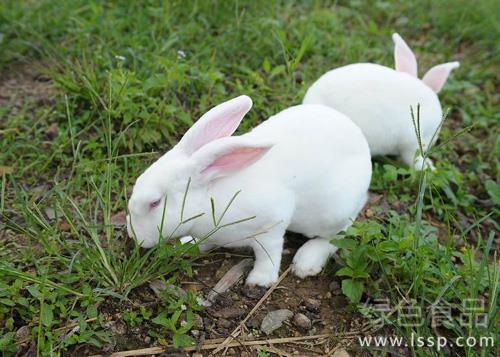
How to prevent and treat impacted crop disease, which young rabbits are prone to after eating
Young rabbits are prone to impacted crop disease after eating; how to prevent and treat impacted crop disease in rabbits
-
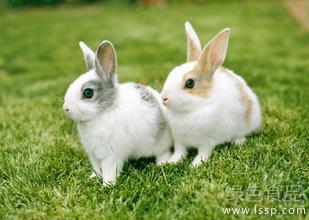
How to prevent and treat weight loss in rabbits caused by sarcoptic mange
How to prevent and treat weight loss in rabbits caused by sarcoptic mange
条件筛选