-

Which rabbit breeds are good to raise? A brief introduction to several excellent rabbit breeds
1. Rex rabbit: Originating from the Cologne region of France, it is the world's most famous short-haired fur-type rabbit. Because its fur is short and smooth, with guard hairs (coarse hairs) not protruding above the downy surface, making it look especially beautiful, it is called "Rexrabbit" abroad, meaning king of rabbits, and is translated into Chinese as "Rex rabbit". Because its fur resembles otter fur, it is commonly called "otter rabbit" in China. Its coat comes in more than ten colors, including white, black, blue, yellow, gray, coffee, chinchilla blue, and Californian
-
How can female rabbits produce more offspring? Sharing practical methods
Producing more female rabbits is an effective way to improve breeding efficiency. So how can you get more female rabbits? Relevant research shows that the mating time of the female rabbit is the key to determining the sex of the future kits. Experience shows that when a male rabbit that has already mated the previous day is mated with a female rabbit on the 2nd day of estrus, most of the kits born are female rabbits; if a male rabbit that has not mated within the 3rd day is mated with a female rabbit on the 3rd day of estrus, most of the kits born are male rabbits. Experiments show that with the former mating method, 9 litters of kits were produced, with 68 surviving, of which 57 were female rabbits
-
Preliminary Processing Methods and Key Technical Points for Raw Rabbit Hides
After tanning, rabbit hides can be made into collars, hats, children's coats and clothing, etc. They are both lightweight and attractive, and are very popular. Below are some commonly used preliminary processing methods for raw rabbit hides. When selecting rabbit hides, the first step in deciding whether to keep the hide of a slaughtered rabbit is to look and then to feel. First, look at the size of the rabbit and whether the fur is glossy. Hides from malnourished or diseased rabbits should not be used; hides with sparse, messy fur should not be used; hides from rabbits that are too small should not be used. Choose hides whose coat hair is glossy. Second, feel whether the hair sheds and whether the hide is thick and feels good. If the hair sheds,
-
How Many Times Should You Actually Disinfect a Rabbitry? A Detailed Explanation of the Correct Frequency
The disinfection theory in books says, "Twice a week in summer, once a week the rest of the year." I think this disinfection practice involves far too many rounds. The purpose of disinfection is to kill harmful bacteria; my approach is once every half month in summer, and once a month the rest of the time. If you disinfect frequently, the aim is to kill harmful bacteria, but the result is that you kill all the beneficial bacteria too. Also, after we finish disinfecting, we sling the sprayer on our backs, turn around and leave the rabbit shed, leaving the rabbits in their cages reluctantly "inhaling the chemicals," and side effects are very likely to occur. Based on what I have observed
-
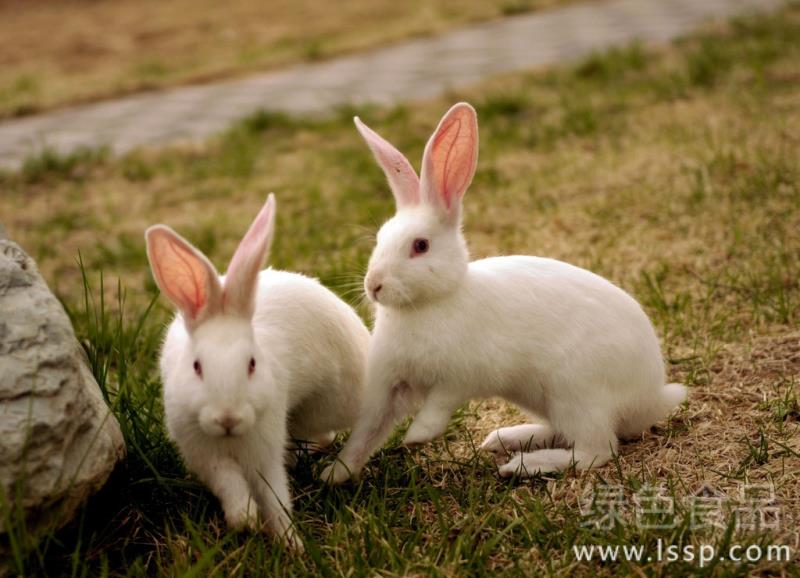
5 contraindications for immune injection in domestic rabbits; only reasonable immunization brings healthy rabbits
Reasonable immunization brings healthy rabbits: 5 contraindications for immune injection
-
How to prevent and treat rabbit bloat? A detailed guide to practical prevention and treatment measures
Rabbit bloat is a digestive disorder caused by gas accumulation in the rabbit's gastrointestinal tract. It occurs mostly in young rabbits, and has shown an upward trend in recent years. 1. Causes: it is generally caused by rabbits overeating large amounts of feed, leading to accumulation of food in the stomach; insufficient exercise also makes it more likely; it can be triggered by gastrointestinal diseases themselves; sudden weather changes, chilling and cold of the rabbit's abdomen can also easily lead to secondary cases. 2. Symptoms: affected rabbits are depressed, squat motionless, feel cold all over (huddling together), and prefer to lie prone; the abdominal circumference is enlarged, with abdominal pain, constant groaning, teeth grinding, and a drum-like sound on tapping, breathing
-
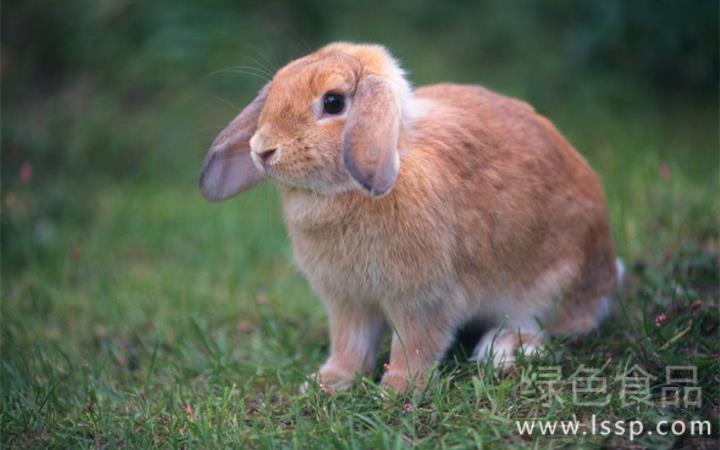
Mastitis in female rabbits can be fatal in severe cases; how can it be prevented?
Mastitis can cause death in female rabbits in severe cases; how to prevent mastitis in female rabbits
-
Silkworm droppings work well as rabbit feed, and rabbit farmers should give them a try
Silkworm droppings have high nutritional value, with a crude protein content of 15.4%, second only to wheat bran and higher than rice bran and green grass, making them an excellent feed for livestock and poultry. Feeding silkworm droppings to livestock and poultry often produces very good results. 1. Feeding silkworm droppings to pigs can save large amounts of concentrated feed; pigs gain weight quickly per unit of time and have a high marketable rate. After sows eat silkworm droppings, milk secretion increases. 2. Feeding silkworm droppings to sheep increases the amount of milk secreted and yields more wool; sheep wool length can reach more than 14 cm. 3. Feeding silkworm droppings to cattle can make
-
Weather changes trigger acute dehydration and death in rabbits, requiring vigilance
In August 2007, an acute intestinal infectious disease characterized by severe diarrhea, dehydration and rapid death occurred in the breeding rabbit flock of a rex rabbit farm. The incidence rate was about 60%, and the mortality rate reached 40%. Based on epidemiology, clinical symptoms and pathological changes, combined with laboratory testing, it was finally diagnosed as Tyzzer's disease in rex rabbits. The relevant situation is reported as follows. I. Onset process: A rabbit farm raised 1000 rex rabbits, of which more than 200 were breeding rabbits. In early August, after 5 consecutive days of local rain and with the temperature exceeding 3
-
What are the preventive measures for rabbit mange? A must-read for rabbit keepers
Rabbit mange, also known as rabbit acariasis, is an external parasitic disease caused by sarcoptic mites or psoroptic mites that live on the surface of the rabbit's body. The disease has a wide reach and a high incidence rate, and is a major disease of rabbits in winter and spring. It is highly contagious, and if not treated in time, affected rabbits can die from gradual emaciation and weakness, making it extremely harmful. Here is an introduction to the disease based on practical experience. Disease characteristics: Rabbit mange occurs mainly in winter and in late autumn and early spring, because in these seasons sunlight is insufficient and the rabbit's fur is long
条件筛选