-

What is good to feed rabbits in spring and summer? Don't miss these three treasures
Garlic, dried tangerine peel and chili pepper are common seasonings in home cooking and are known as the "three treasures of the kitchen". Because they contain a variety of nutrients, are non-toxic and have no side effects, do not easily cause harmful residues in livestock products, and also have disease-prevention and therapeutic effects, they are also called the three treasures of pure natural agriculture and forestry breeding. In recent years, the author has used the three treasures in domestic rabbit production and achieved good results. 1. They can increase rabbits' appetite. Adding an appropriate amount of garlic powder, dried tangerine peel powder and chili powder to the feed can mask the unpleasant odor of certain feed ingredients, increase aroma, and improve the feed
-
How Many Times Should a Rabbit Farm Be Disinfected? Master the Correct Disinfection Frequency
The disinfection theory in books says, "Twice a week in summer, once a week in the other seasons." I think this disinfection practice involves too many rounds. The purpose of disinfection is to kill harmful bacteria. My approach is once every half month in summer, and once a month the rest of the time. If you disinfect frequently, the goal is to kill harmful bacteria, but the result is that you kill all the beneficial bacteria too. Also, after we finish disinfecting, we sling the sprayer on our backs and turn around and leave the rabbit shed, leaving the rabbits in their cages reluctantly "inhaling the chemicals," and side effects are very likely to occur. According to what I have learned
-
What are the symptoms of a rabbit cold? Detailed introduction to prevention and treatment measures
Causes A sudden drop in temperature, or a cold and damp rabbit hutch, can easily trigger a rabbit cold. Clinical symptoms The affected rabbit has a mild cough, sneezes, has clear or thick nasal discharge, difficulty breathing, is listless, has reduced appetite, and an elevated body temperature. If not cared for properly, it can easily lead to secondary pneumonia or hemorrhagic septicemia. Preventive measures Keep the indoor area clean and hygienic. When the temperature changes, be sure to close doors and windows to keep the warmth in. If there is strong wind and a drop in temperature, promptly light a fire in the breeding room to maintain a stable temperature and prevent it from fluctuating up and down. Treatment methods
-
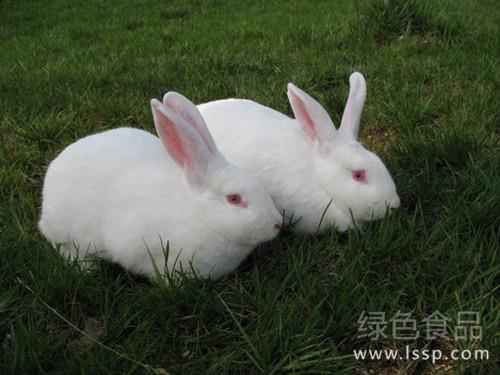
How to prevent and treat rabbit mucoid enteritis? Be on alert for abdominal distension, drooling, and mucus in the feces
Prevention and treatment methods for rabbit mucoid enteritis with abdominal distension, drooling, and mucus in the feces
-
Efficient Methods for Slaughtering Meat Rabbits, Removing the Pelt, and Tanning the Hide
Rex rabbit fur has the characteristics of being short, fine, flat, dense, and beautiful, with large market demand and high prices, but the market also has very high quality requirements for purchasing rex rabbit fur. To sell rex rabbit fur at a good price, breeders should master the following six tips: 1. Feed formulation. The rex rabbit is a dual-purpose rabbit for both fur and meat, and must grow both fur and meat. Feed nutritional levels are required to be high, generally with digestible energy of 11.4-11.9 MJ/kg, crude protein of 18%-19%, crude fiber of 6%-8%,
-
Ten Practical Recipes for Fattening Thin Rabbits in Autumn and Winter
After enduring the hot summer, most domestic rabbits are weak and thin, so as soon as autumn begins you must quickly increase feed to fatten them up, in order to improve the rabbits' physical strength and production performance. The following methods can be used to fatten thin rabbits in autumn and winter. 1. For rabbits with rough, messy fur and poor spirits, take an appropriate amount of tea leaves, plus 15 grams each of Boschniakia rossica and honeysuckle (Lonicera japonica), decoct the juice for oral administration, 2 times a day, 10-15 milliliters per rabbit each time, for 3-5 consecutive days, with marked effect. 2. Dissolve 5-7 grams of white sugar per rabbit per day in warm water and let the rabbit drink it freely. Generally, after 15-2
-
Why do rabbits eat their own soft feces?
During the raising of domestic rabbits, we see that the hard fecal pellets they excrete are formed through a second round of digestion. Domestic rabbits eat grass and feed during the day, and at night or before dawn they excrete soft feces, and as soon as the soft feces are excreted, they immediately eat them; only through the second round of digestion and absorption do the residues form hard fecal pellets that are excreted from the body. When domestic rabbits eat the soft feces they have excreted at night, it is not a coprophagia habit caused by a lack of some nutrient in their body, but rather a normal physiological phenomenon. This instinct of domestic rabbits has two major benefits: first, it can keep the rabbit hutches and rabbit farms
-
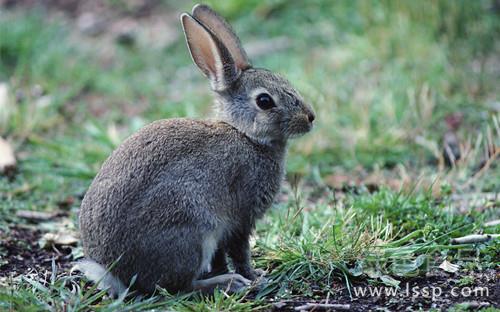
Rabbit epizootic enteritis is highly prevalent in winter; be on guard against refusal to eat, abdominal bloating, severe watery diarrhea and dehydration
Refusal to eat, abdominal bloating, severe watery diarrhea and dehydration; be on guard against rabbit epizootic enteritis in winter
-
4 Things to Note When Introducing Pet Rabbits
As the pet rabbit market grows increasingly prosperous, more and more people are introducing pet rabbits, but all kinds of problems have followed. Some people spend a lot of money to buy so-called pet rabbit breeding stock, only to find that when the breeding season arrives, the rabbits do not come into heat. After inquiring carefully, they learn that the rabbits have been sterilized and simply cannot reproduce, so half a year has been wasted for nothing. Some buy rabbits home but the rabbits cannot survive at all, because no breeding techniques were provided, and they just feed them like ordinary rabbits. The result is that the sudden change in living conditions, combined with the abrupt switch in feed, causes the young rabbits to fall ill and die one after another.
-
Special attention must be paid to preventing coccidiosis when raising rabbits in summer
Rabbit coccidiosis is one of the most common and most harmful diseases of domestic rabbits. Rabbit coccidia are single-celled protozoa that parasitize the liver, bile duct epithelial cells, and intestinal epithelial cells of rabbits. When coccidia parasitize the body, the rabbit becomes emaciated, anemic, has rough fur, and its development stalls, ultimately leading to death. This disease has no obvious seasonality and can infect and cause illness throughout the year, but it occurs more frequently in the hot and humid seasons of summer and autumn, and its distribution and prevalence are extremely widespread. To prevent coccidiosis: 1. Maintain the sanitation of the rabbit hutch, frequently disinfect the cages and
条件筛选